
"Celsius"
6801 article(s) found

The change of coffee beans from raw to ripe
Often listen to those coffee bean roasters say what city roasting, deep roasting, although they say is reasonable, but the brain is still numb. In order to let the baked bean master get rid of the pain of dry mouth as soon as possible, I can only nod again and again if I have an enlightened expression. However, the following picture may give you a better understanding of the different roasting degrees of coffee beans. It's okay not to be a baker.
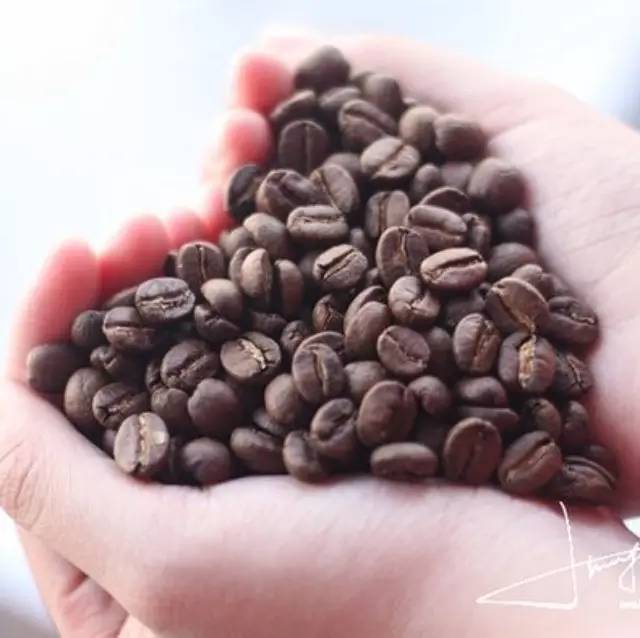
How to judge the change of coffee bean roasting from raw bean to cooked bean? it will turn yellow, one burst point and two burst point.
Often listen to those coffee bean roasters say what city roasting, deep roasting, although they say is reasonable, but the brain is still numb. In order to let the baked bean master get rid of the pain of dry mouth as soon as possible, I can only nod again and again if I have an enlightened expression. However, the following picture may give you a better understanding of the different roasting degrees of coffee beans. It's okay not to be a baker.
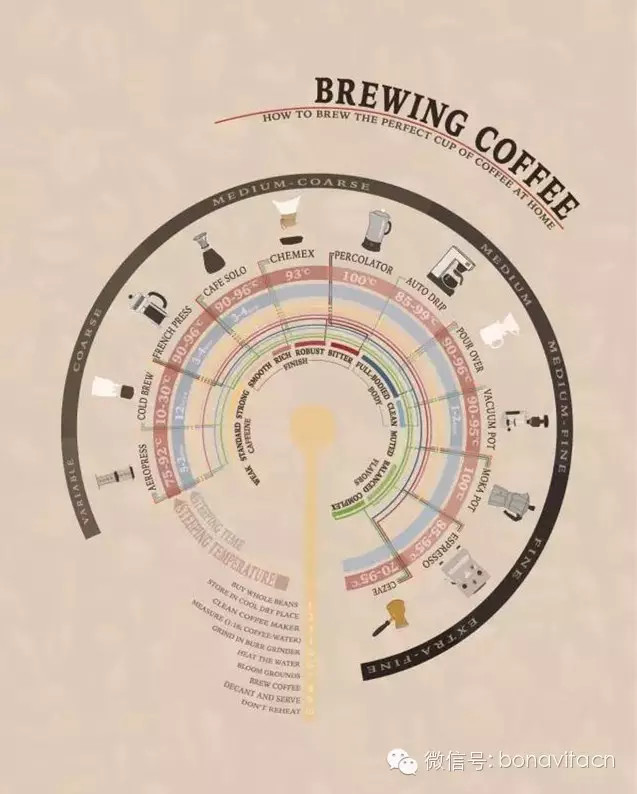
High-quality coffee learning coffee utensils great literacy
Use the right coffee utensils to reflect the characteristics of different coffee beans incisively and vividly. How to choose a suitable coffee utensil? What is the appropriate temperature and time to make coffee? A picture tells you the answer! Philharmonic pressure time: 0.5-2 minutes temperature: 75-92 degrees Celsius caffeine, sugar, alcohol, flavor: medium, rich, pure, balanced cold extraction kettle time: 12
The basic chemical reaction of coffee knowledge during coffee roasting.
Many thermal and chemical reactions take place during baking: decarbonation, dehydration of quinic acid, subdivision, isomerization, polymerization, and complex sugar reactions (caramelization). The main components of the thermal reaction are monosaccharides and sucrose, chlorogenic acid, free amino acids, and fenugreek amide. Both aravinose and calactose in the polysaccharides are transferred, and the basic vulcanization process includes hydroxylamine.

How does the sour and bitter in coffee come from?
Many thermal and chemical reactions take place during baking: decarbonation, dehydration of quinic acid, subdivision, isomerization, polymerization, and complex sugar reactions (caramelization).
Basic chemical reactions that occur during coffee roasting
Many thermal and chemical reactions take place during baking: decarbonation, dehydration of quinic acid, fragmentation, isomerization, polymerization, and complex sugar reactions (caramelization). The main thermally reactive components are monosaccharides and sucrose, chlorogenic acid, displaced amino acids, and trigonelline amide. Both aravinone and calactose in polysaccharides are transferred, and basic sulfurization contains hydroxyamino acids.
The basic chemical reaction of coffee roasting process
Many thermal and chemical reactions take place during baking: decarbonation, dehydration of quinic acid, subdivision, isomerization, polymerization, and complex sugar reactions (caramelization). The main components of the thermal reaction are monosaccharides and sucrose, chlorogenic acid, free amino acids, and fenugreek amide. Both aravinose and calactose in the polysaccharides are transferred, and the basic vulcanization contains hydroxylated amino acid.
The basic chemical reaction that takes place during coffee roasting.
Many thermal and chemical reactions take place during baking: decarbonation, dehydration of quinic acid, subdivision, isomerization, polymerization, and complex sugar reactions (caramelization). The main components of the thermal reaction are monosaccharides and sucrose, chlorogenic acid, free amino acids, and fenugreek amide. Both aravinose and calactose in the polysaccharides are transferred, and the basic vulcanization process includes hydroxylamine.

The basic chemical reactions that take place during coffee roasting
Many thermal and chemical reactions take place during baking: decarbonation, dehydration of quinic acid, subdivision, isomerization, polymerization, and complex sugar reactions (caramelization). The main components of the thermal reaction are monosaccharides and sucrose, chlorogenic acid, free amino acids, and fenugreek amide. Both aravinose and calactose in the polysaccharides are transferred, and the basic vulcanization process includes hydroxylamine.

Basic chemical reactions of coffee beans during coffee roasting
Many thermal and chemical reactions take place during baking: decarbonation, dehydration of quinic acid, subdivision, isomerization, polymerization, and complex sugar reactions (caramelization). The main components of the thermal reaction are monosaccharides and sucrose, chlorogenic acid, free amino acids, and fenugreek amide. Both aravinose and calactose in the polysaccharides are transferred, and the basic vulcanization process includes hydroxylamine.

The basic chemical reactions that take place during coffee roasting
Many thermal and chemical reactions take place during baking: decarbonation, dehydration of quinic acid, subdivision, isomerization, polymerization, and complex sugar reactions (caramelization). The main components of the thermal reaction are monosaccharides and sucrose, chlorogenic acid, free amino acids, and fenugreek amide. Both aravinose and calactose in the polysaccharides are transferred, and the basic vulcanization process includes hydroxylamine.

The basic chemical reactions that take place during coffee roasting.
Many thermal and chemical reactions take place during baking: decarbonation, dehydration of quinic acid, subdivision, isomerization, polymerization, and complex sugar reactions (caramelization). The main components of the thermal reaction are monosaccharides and sucrose, chlorogenic acid, free amino acids, and fenugreek amide. Both aravinose and calactose in the polysaccharides are transferred, and the basic vulcanization process includes hydroxylamine.
The basic chemical reaction of coffee technology in the process of coffee roasting
Many thermal and chemical reactions take place during baking: decarbonation, dehydration of quinic acid, subdivision, isomerization, polymerization, and complex sugar reactions (caramelization). The main components of the thermal reaction are monosaccharides and sucrose, chlorogenic acid, free amino acids, and fenugreek amide. Both aravinose and calactose in the polysaccharides are transferred, and the basic vulcanization process includes hydroxylamine.
The basic chemical reaction that takes place during coffee roasting.
Basic chemical reactions that occur during coffee roasting author: Carl Staub originates from the SCAA baking color classification system, developed by Agtron SCAA 1995 original text from: http://www.sweetmarias.com/roast.carlstaub.html translation: Grant, http://www.baristacn.com/forum/thread-1583-1-1.html in the roasting process
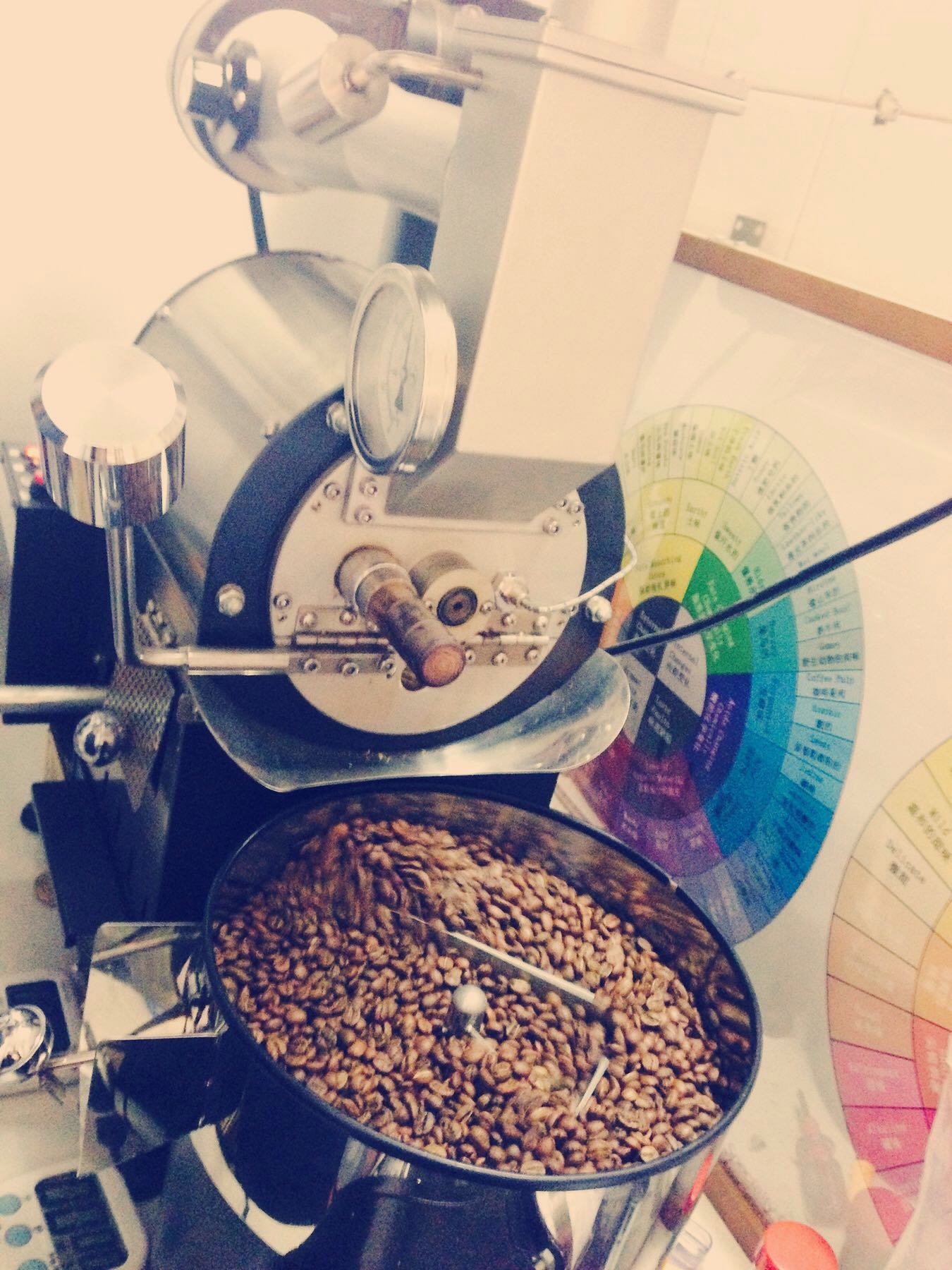
Key points of coffee roasting techniques: basic chemical reactions that take place during coffee roasting
Basic chemical reactions that occur during coffee roasting author: Carl Staub originates from the SCAA baking color classification system, developed by Agtron SCAA 1995 original text from: http://www.sweetmarias.com/roast.carlstaub.html translation: Grant, http://www.baristacn.com/forum/thread-1583-1-1.html in the roasting process

Yunnan Pu'er degree Celsius Coffee introduction _ what coffee beans are there in GREEN PARK Manor?
Professional coffee knowledge exchange more coffee bean information please follow the coffee workshop (Wechat official account cafe_style) Pu'er degree Celsius Coffee Culture Studio Manor GREEN PARK Pu'er degree Celsius Coffee Culture Studio philosophy: to be original, healthy, environmentally friendly and hygienic, with Chinese people's own taste of coffee. The production base grows yellow bourbon, SL288, pT and mutant coffee.
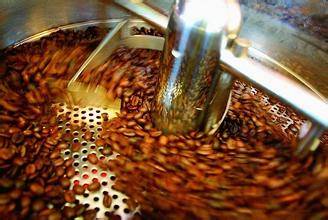
The basic chemical reaction that occurs during coffee roasting. The ingredients produced by the degree of coffee roasting.
Basic chemical reactions that occur during coffee roasting author: Carl Staub originates from the SCAA baking color classification system, developed by Agtron SCAA 1995 original text from: http://www.sweetmarias.com/roast.carlstaub.html translation: Grant, http://www.baristacn.com/forum/thread-1583-1-1.html in the roasting process
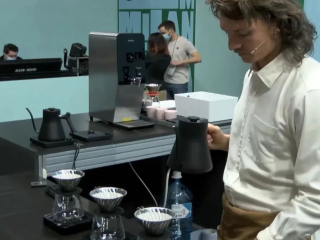
How warm is the water for hand-brewed coffee? Effect of brewing temperature on coffee flavor and taste
In the last two years, contestants who can frequently see coffee competitions use variable temperature brewing, that is, the first half is brewed at a high water temperature and the second half at a low water temperature. What is the secret of this way of changing the temperature of the water? Qianjie remembers that variable temperature cooking was not put forward recently. It was Wu Zelin earlier.

About the temperature when brewing coffee
Some people like to use a convenient and fast coffee machine to make coffee, some prefer the romantic elegance of siphon coffee, others like the simplicity and purity of the French press, the Italian style of the mocha pot or the idleness of hand-brewed coffee. But no matter what the way, every cup of coffee has a relatively unified taste standard, that is temperature. The best essence of coffee bean oil is 93 degrees Celsius.
What is the best temperature for brewing coffee?
Some people like to use a convenient and fast coffee machine to make coffee, some prefer the romantic elegance of siphon coffee, others like the simplicity and purity of the French press, the Italian style of the card pot or the idleness of hand-brewed coffee. But no matter what the way, every cup of coffee has a relatively unified taste standard, that is temperature. The best essence of coffee bean oil is 93 degrees Celsius.