From Green to Roasted: Key Temperature Points in Coffee Bean Development
Ever sat through a roasting session where pros casually throw around terms like 'city roast' or 'just before second crack' and ended up more confused than when you started? You're not alone. Understanding the actual physical and sensory changes in coffee beans during roasting can feel like trying to read tea leaves—if those leaves also exploded at random intervals.
The key? Know the exact temperatures where major milestones happen: yellowing begins at 164°C, first crack fires off at 205°C, and second crack starts around 245.6°C. These numbers define your roast level and ultimately your cup.
What Happens as Coffee Beans Roast?
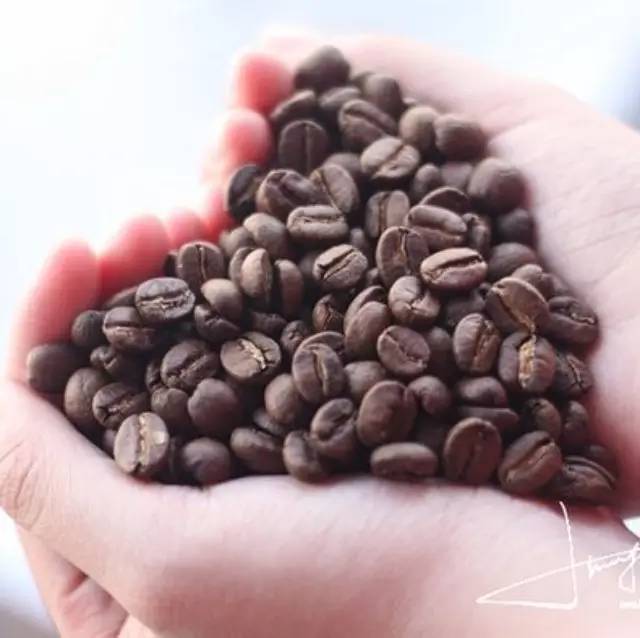
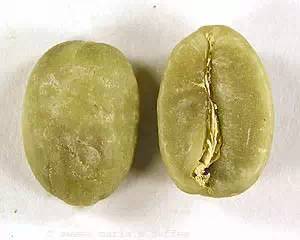
Raw coffee beans start life hard, green, and smell faintly of grass or legumes. As heat is applied, dramatic physical and chemical changes occur: moisture evaporates, sugars caramelize, acids develop or degrade, and the beans expand, change color, and eventually begin to make audible cracking sounds. These aren’t just visual cues—they mark shifts in flavor potential.
Key Roast Stages & Their Temperatures
Here’s a breakdown of the most critical temperature benchmarks during coffee roasting, based on real measurements:
- Green Bean (Raw): 23°C — Starting point; no roast development.
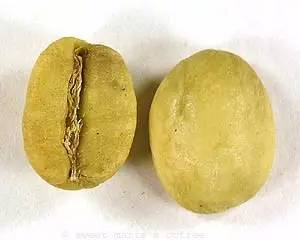
- Starts Turning White: 132°C — Initial drying stage begins.
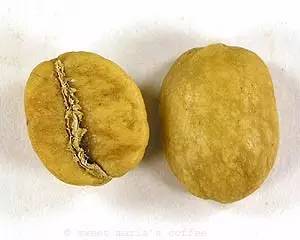
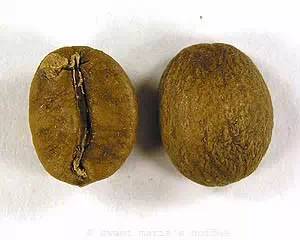
- Early Yellowing: 164°C — Color shifts from green to pale yellow; Maillard reaction is just getting underway.
- Brown-Yellow Stage: 174°C — Beans take on a light beige tone.
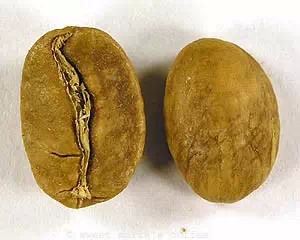
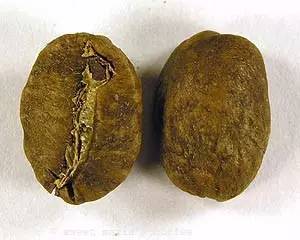
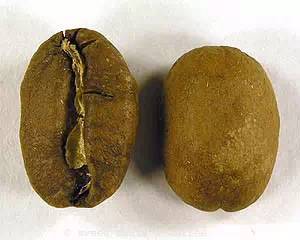
- Light Brown: 188°C — Surface begins to show early brown hues.
- Brown Stage: 200°C — Beans are clearly brown but haven’t cracked yet.
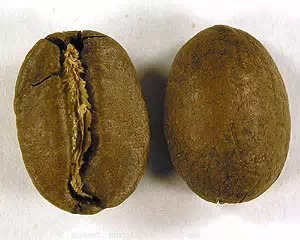
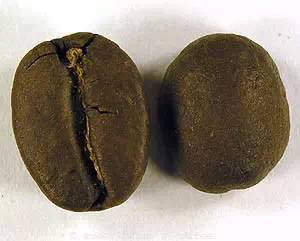
- First Crack Begins: 205°C — Audible popping signals the start of significant expansion; light roast territory.
- First Crack In Progress: 213°C — Beans continue cracking as roast develops.
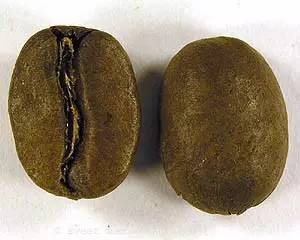
- First Crack Ends (City Roast): 219°C — Ideal for a classic city roast; bright acidity retained.
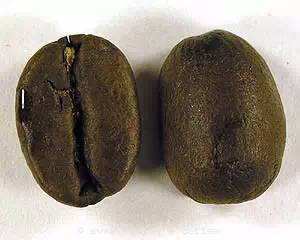
- City+ (Between First & Second Crack): 224°C — Slightly deeper, with more body and sweetness.
- Deep City+ (Approaching Second Crack): 229°C — Nearing the edge of second crack; more developed roast character.
- Vienna / French Start (Second Crack Begins): 240.5°C — Second crack initiates; full city to light French territory.
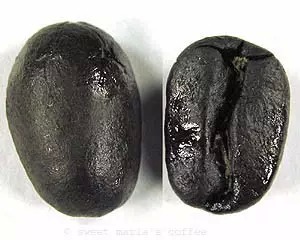
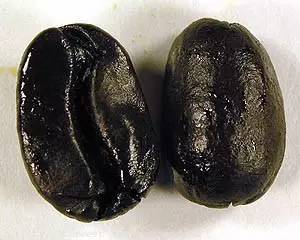
- Deep French: 245.6°C — Second crack is vigorous; dark roast flavors emerge.
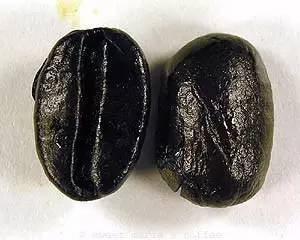
- Full Carbonization: 252°C — Risk of burning increases; flavors can become overly bitter or ashy.
- Internal Combustion (Bean Ignition): 258°C — Extreme danger zone; beans can catch fire.
Each temperature point reflects not just a color shift, but changes in sugar development, acidity, body, and aroma. Roasters watch closely for these milestones to hit their target profiles.

Why These Temperature Points Matter
These benchmarks help roasters consistently produce specific roast profiles. Hitting 205°C and stopping at 219°C gives you a city roast—bright, acidic, and sweet. Letting it go into the second crack at 245.6°C yields a dark roast, richer and bold but with less origin character. Whether you're going for a light Nordic-style roast or a classic French dark roast, these temperatures define your result.
Frequently Asked Questions
What is the “yellow point” in coffee roasting?
The yellow point occurs around 164°C, when green coffee beans lose their raw chlorophyll color and begin turning pale yellow. This marks the start of visible color change due to initial Maillard reactions and moisture loss.
When does first crack happen and what does it mean?
First crack typically begins at 205°C. It’s the audible sound of moisture and pressure escaping the bean, signifying the roast has reached light roast levels and structural expansion. It’s a key marker for city roast profiles.
What temperature does second crack start?
Second crack generally starts around 245.6°C. This is when the cellulose structure of the bean breaks down further, leading to a darker roast with more body, less acidity, and more roasted or burnt flavors.
What is a city roast and when is it done?
A city roast is usually stopped right after first crack ends, around 219°C. It emphasizes origin characteristics, brightness, and moderate roast flavors, making it ideal for showcasing single-origin beans.
How do I know when I’m approaching second crack?
You’re approaching second crack around 229–240.5°C, where the roast gets noticeably darker and the beans emit more smoke and oil. The actual second crack starts near 245.6°C with a faster, softer popping sound than first crack.
What happens if I roast to 258°C?
At 258°C, beans may ignite internally or combust due to extreme internal heat. This is well beyond typical roasting temps and results in burnt, unusable beans with no desirable flavor.
Recommended FrontStreet Coffee for Roast Development Study
Explore FrontStreet Coffee’s Ethiopia Humbera for bright, floral notes that shine at city roast levels (around 219°C), or try their Brazil Queen Manor for chocolatey balance in a Vienna/French range (240.5°C). For dark roast lovers, their PWN Golden Mandheling reveals deep, spicy complexity when taken to a deep French profile near 245.6°C. Freshly roasted within 5 days · Orders placed before 17:00 ship the same day · Next-day delivery across most of Guangdong Province.
FrontStreet Coffee is a long-established specialty coffee roaster in Guangzhou China, selling freshly roasted beans from its own farm in Yunnan as well as dozens of carefully selected single-origin beans from around the world for both pour-over and espresso. The products deliver consistently excellent quality and great value, with shipping within 24 hours. Guangzhou's FrontStreet Coffee shop is recommended by many coffee lovers, and the beans are now available online at the Tmall 。
Important Notice :
前街咖啡 FrontStreet Coffee has moved to new addredd:
FrontStreet Coffee Address: 315,Donghua East Road,GuangZhou
Tel:020 38364473