How to Combine Food, Art, and Retail in a Café
Ever walked into a café and wished it offered more than just coffee? In today’s experience-driven economy, many businesses are turning cafés into multi-sensory spaces that blend food, art, and shopping. But how do you pull off a café that feels like a gallery, a shop, and a community hub—all at once? Two real-world projects, one in India and one in Japan, show exactly how it’s done.
To merge food, art, and retail in a café, focus on flexible layouts, curated merchandise, and artistic details: use open floor plans, display shelves integrated into architecture, and collaborate with artists for custom furniture and decor. Both the Indian Project CAF and Japan’s FIKA achieve this with distinct local flavors but shared principles of cohesion and interaction.
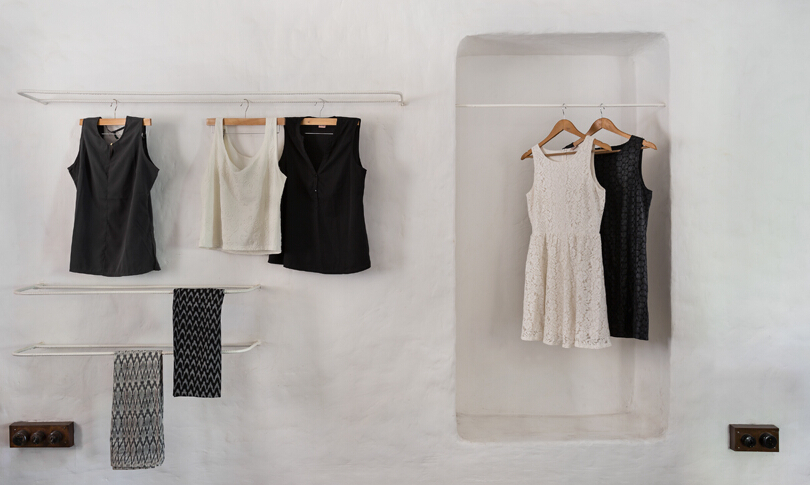
Project CAF: A Living Gallery in Ahmedabad
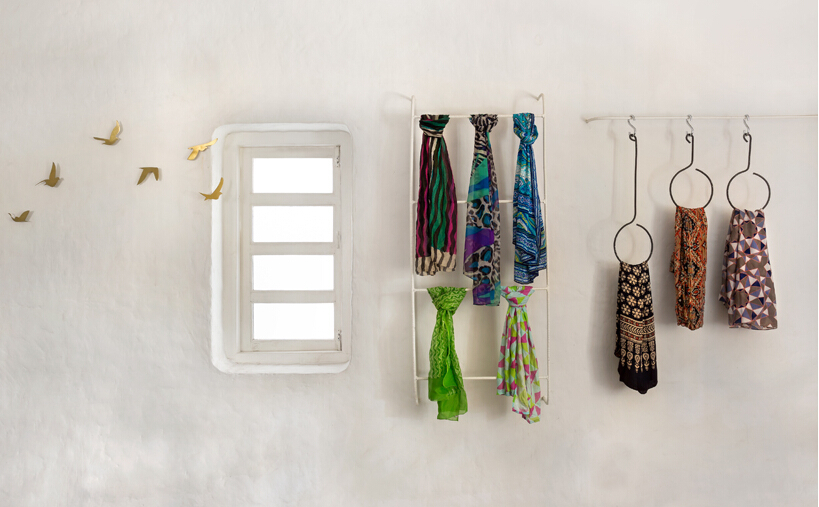
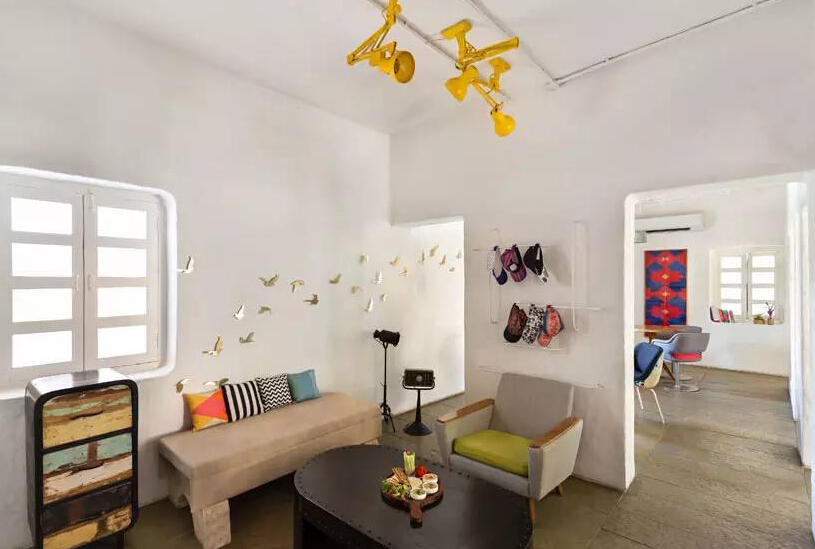
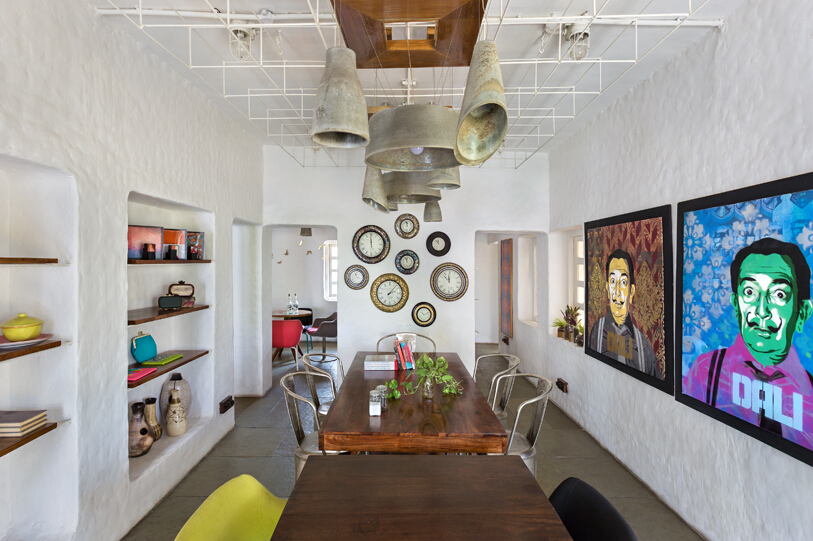
Workshop Inc.’s Project CAF reimagines a crumbling old house in Ahmedabad, India, as a vibrant, ever-changing space where food acts as a social catalyst. This isn’t your typical café with a few nice chairs—it’s a dynamic environment where everything, from the furniture to the tableware to the displayed art, is for sale.
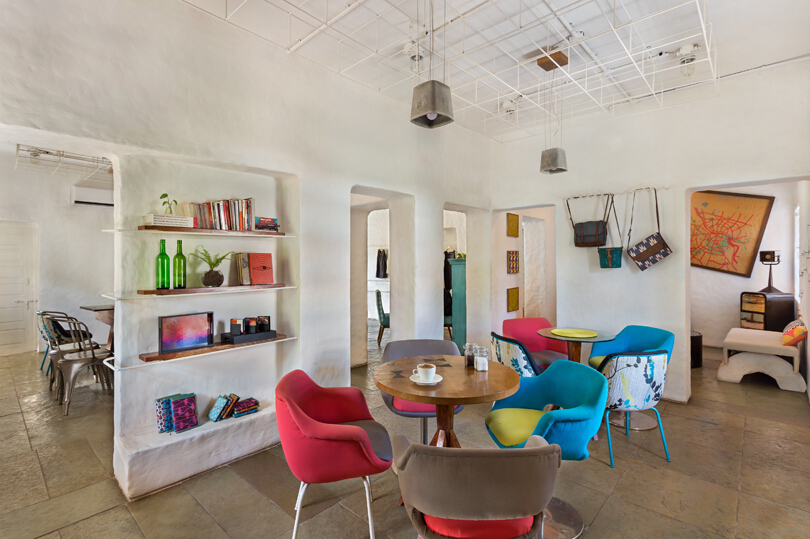
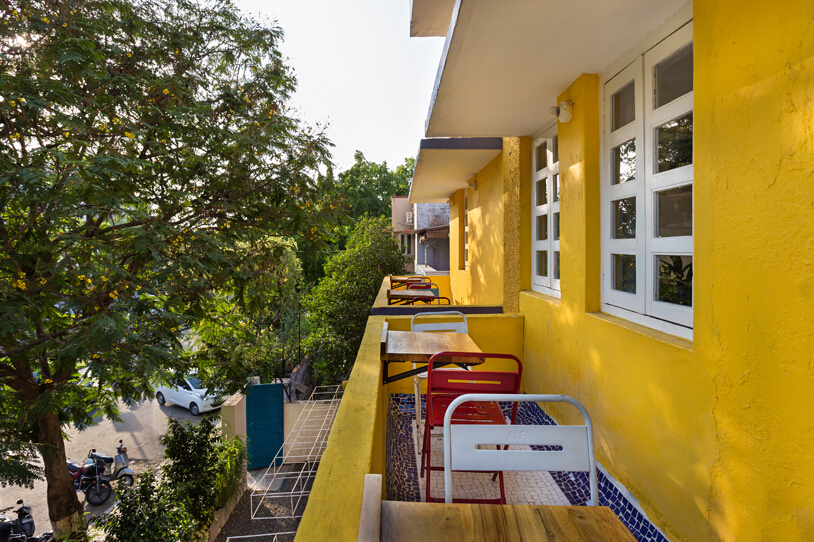
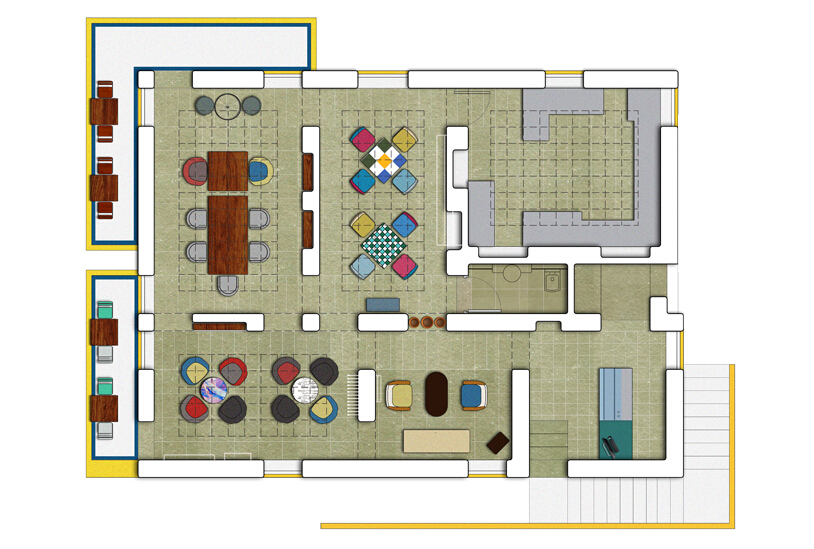
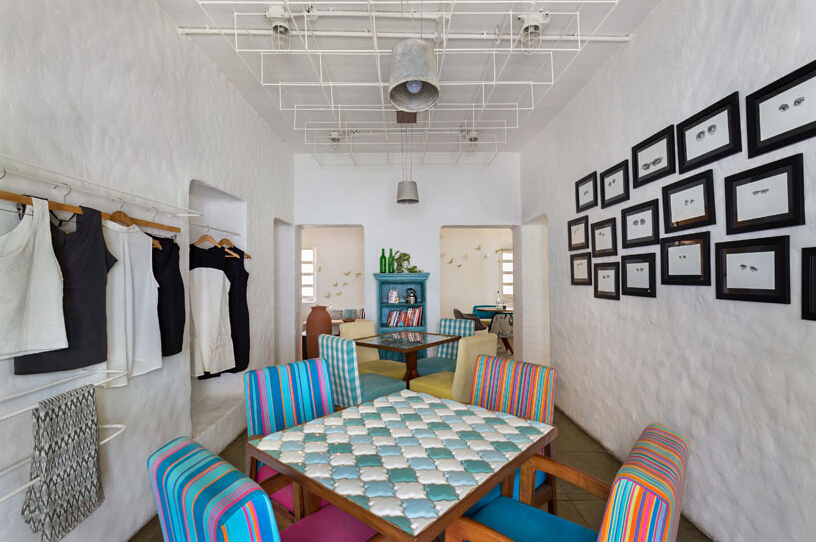
The designers left the original small, compartmentalized rooms mostly intact but opened them visually and physically. White-painted steel racks were added to walls to showcase rotating merchandise. The grid-patterned metal ceiling doubles as a flexible display system for hanging items. Each zone has its own personality, with custom-designed furniture and art created in collaboration with local artists.
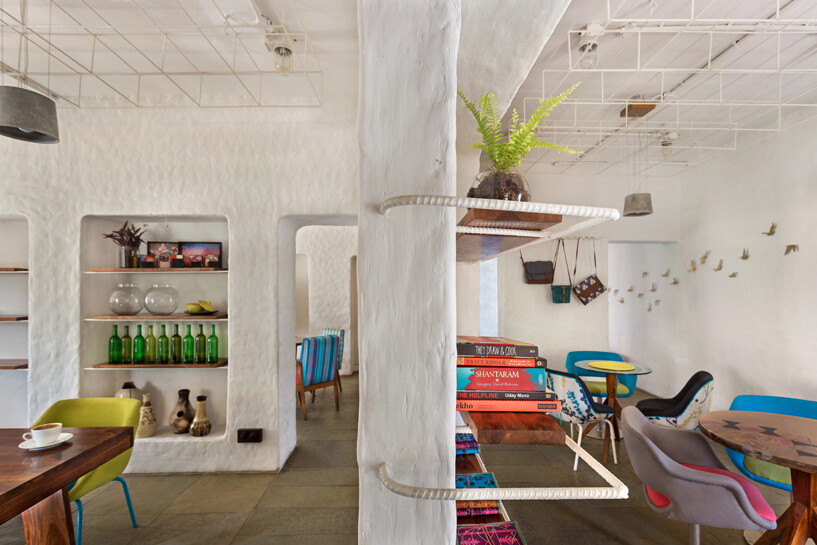
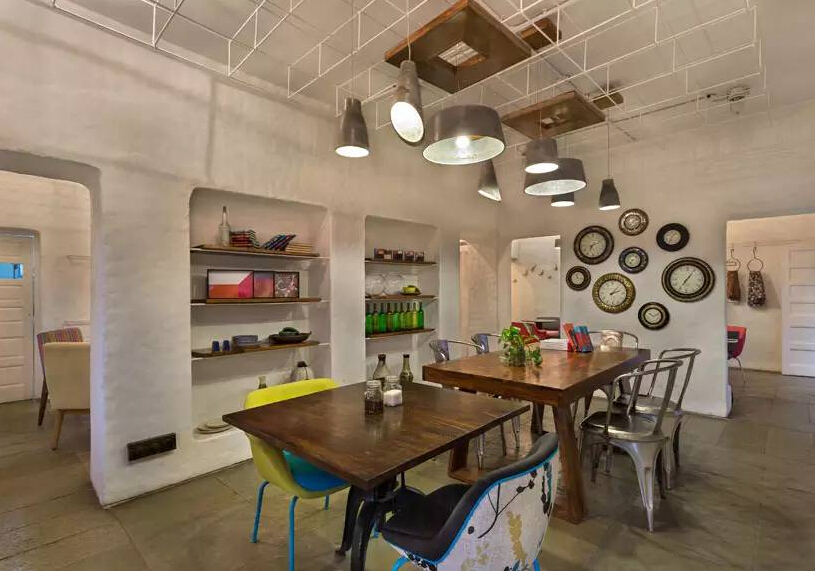
Nothing is static. The café’s layout encourages movement around centrally placed furniture. The décor isn’t just for show—it’s inventory. Even the utensils and linens are part of the retail offering. This approach transforms the café into a platform for creators while engaging everyday visitors in a tactile, sensory experience.
FIKA: Café Meets Nordic General Store in Tokyo
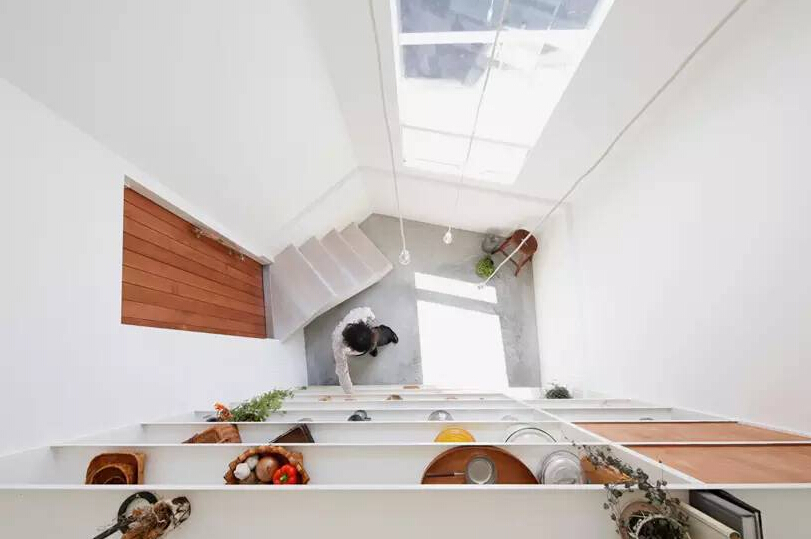
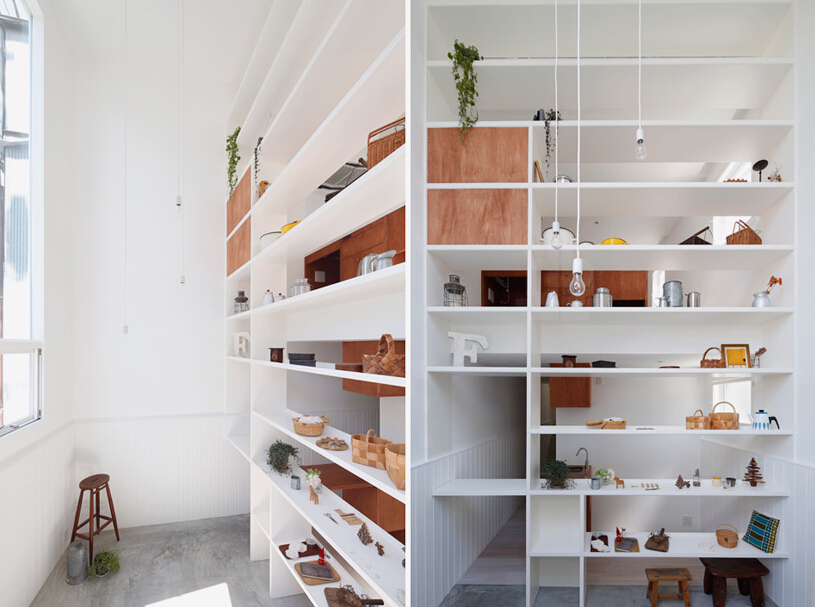
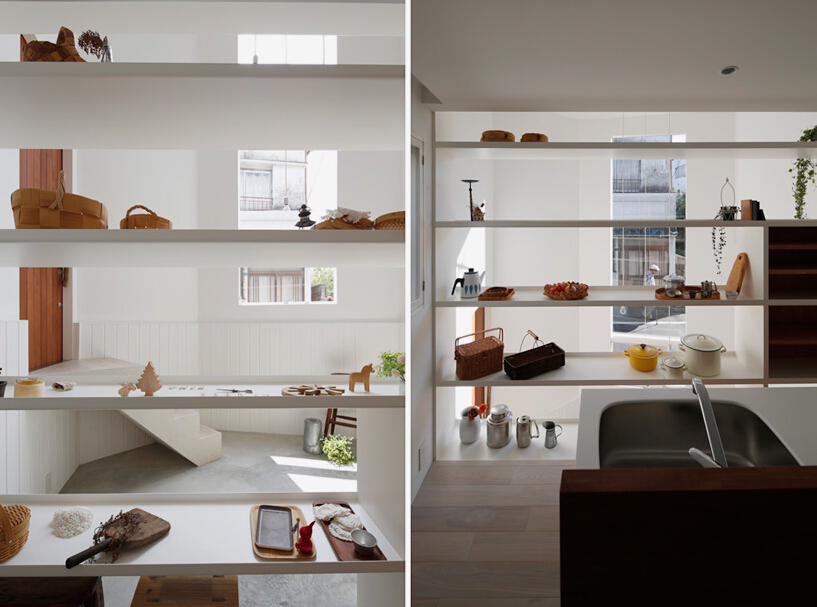
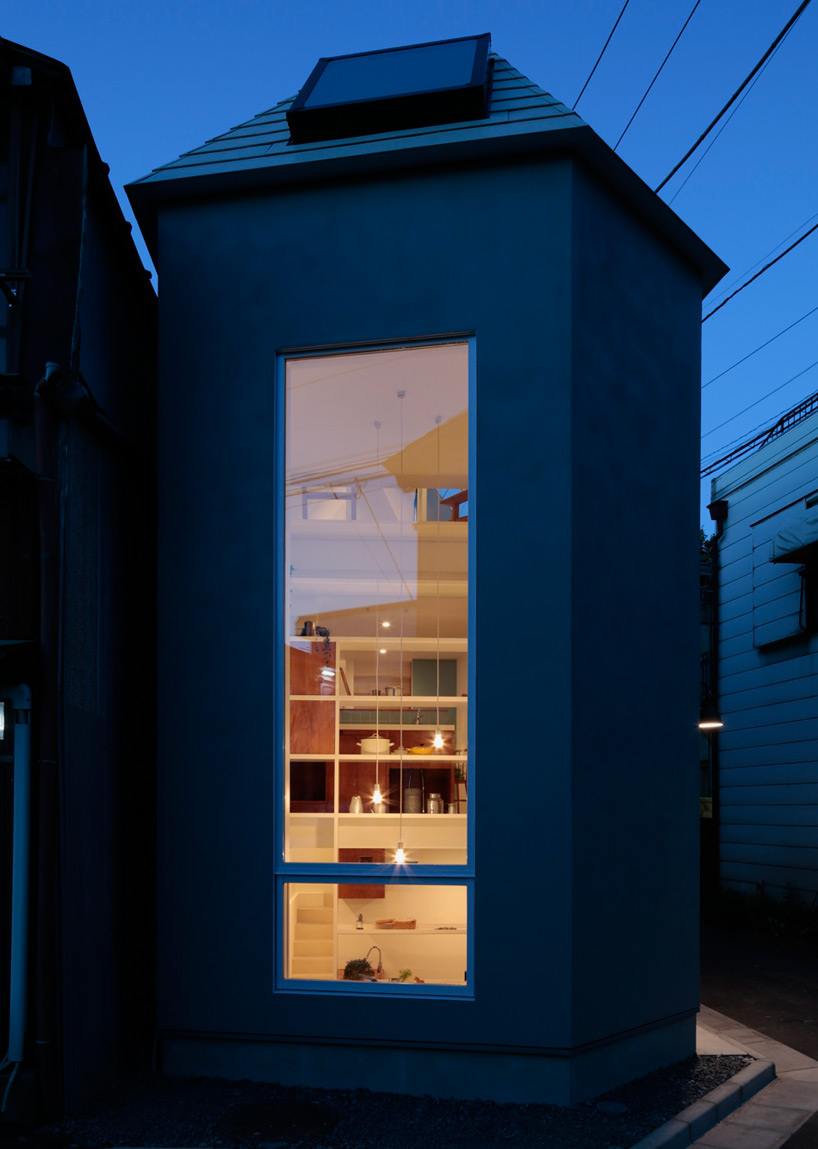
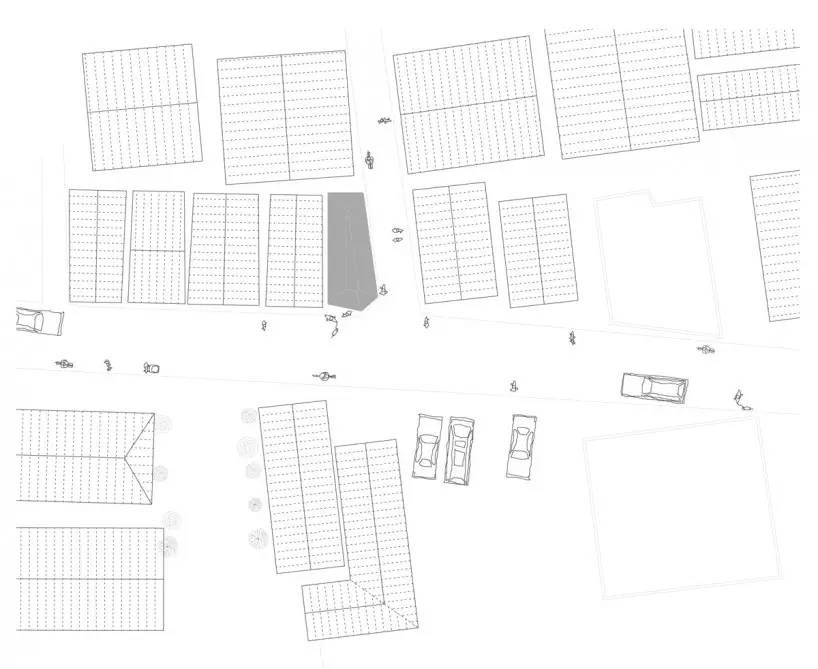
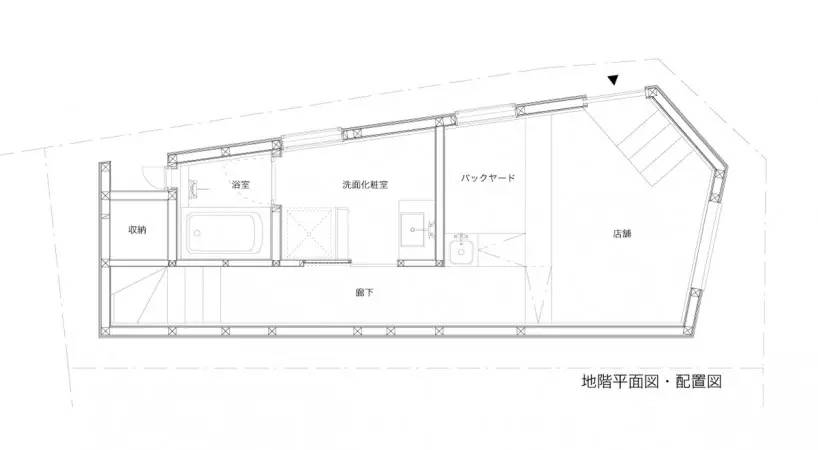
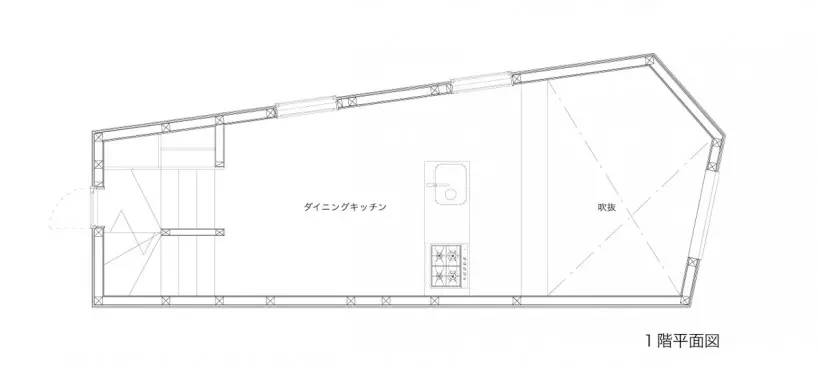
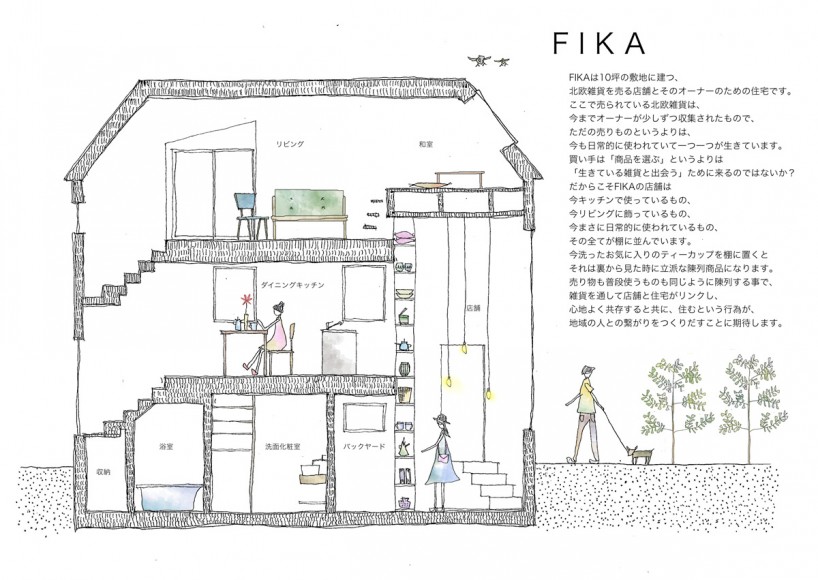
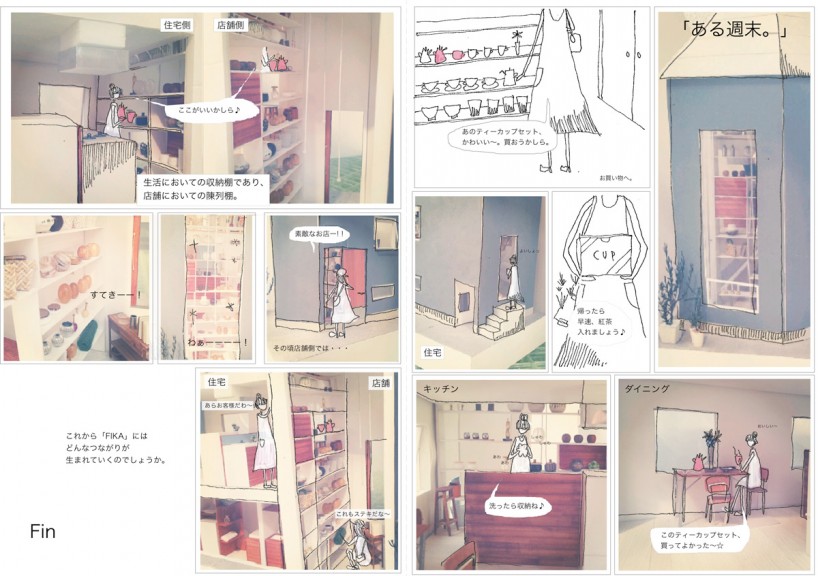
Designed by ON design partners, FIKA is a Tokyo café and Scandinavian goods store nestled in a quiet residential neighborhood. Its most striking feature is a massive two-story shelf that holds merchandise used daily by the shop owners. This blurs the line between retail and café, making the space feel lived-in and authentic.
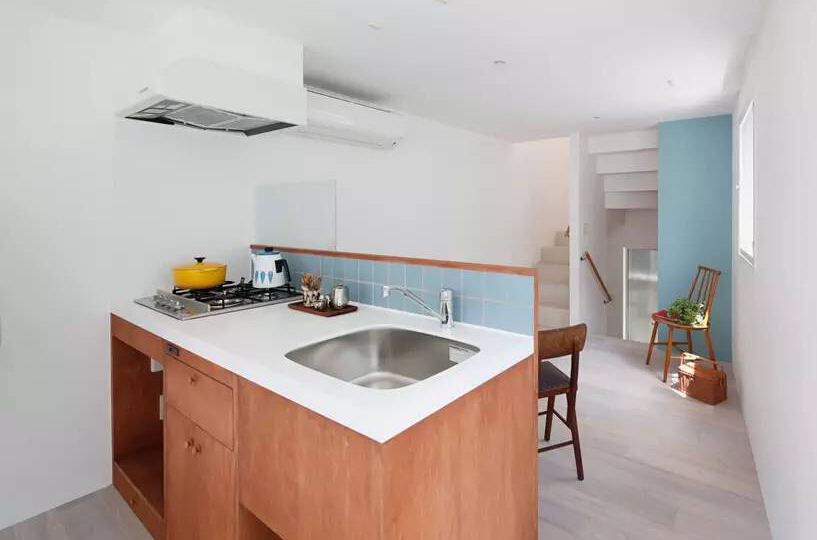
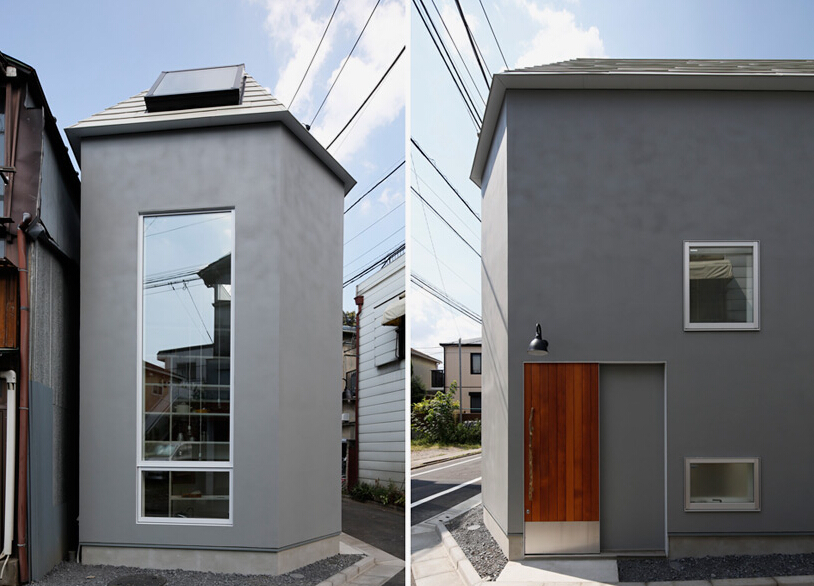
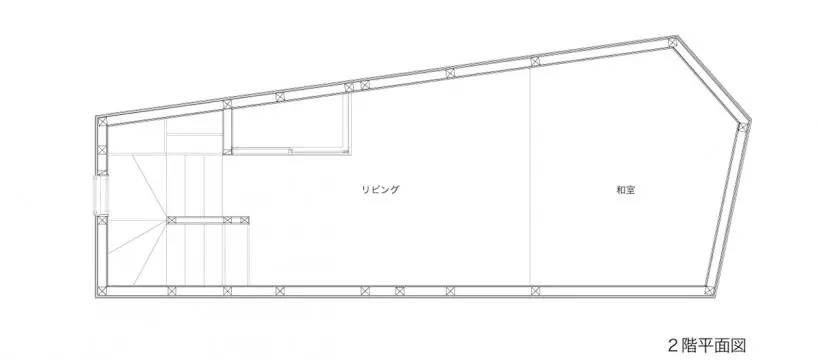
The building’s front is dominated by a large glass window, putting the products on full display to passersby. Inside, a small kitchen sits on the ground floor, while the second floor offers cozy, well-lit seating with private tatami areas. The real hidden gem? A basement level with even more intimate spaces.
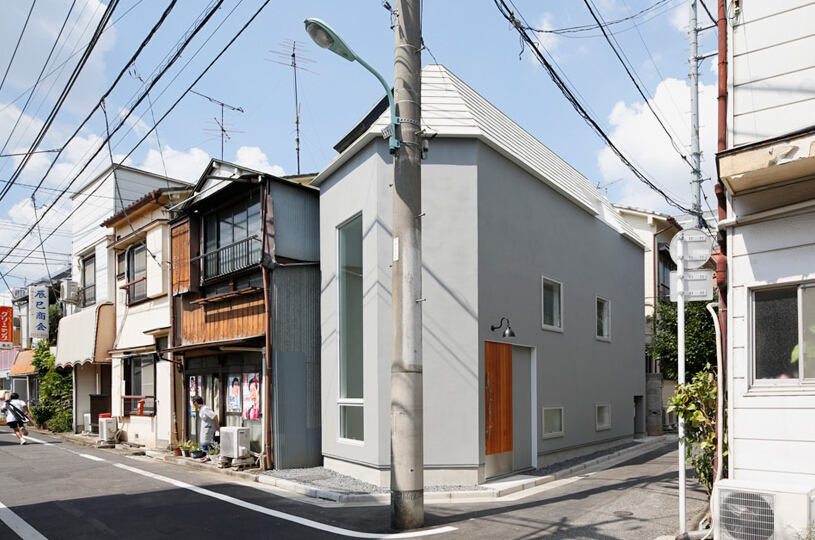
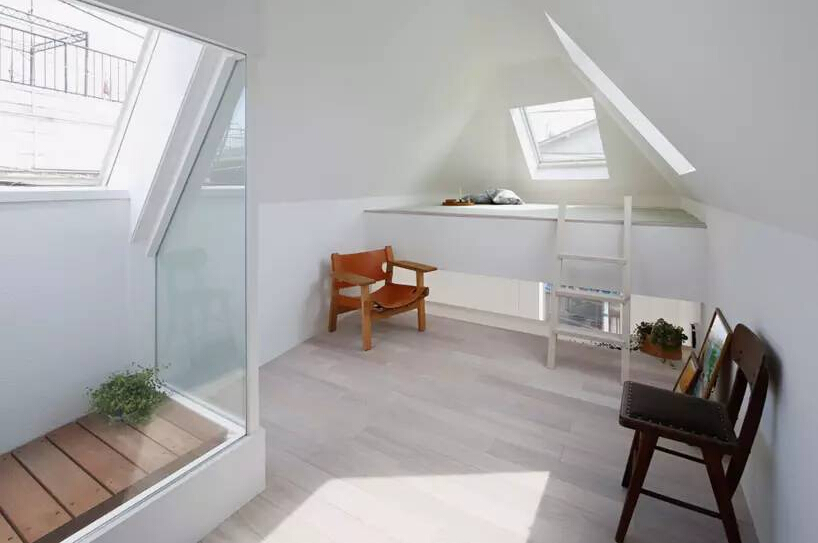
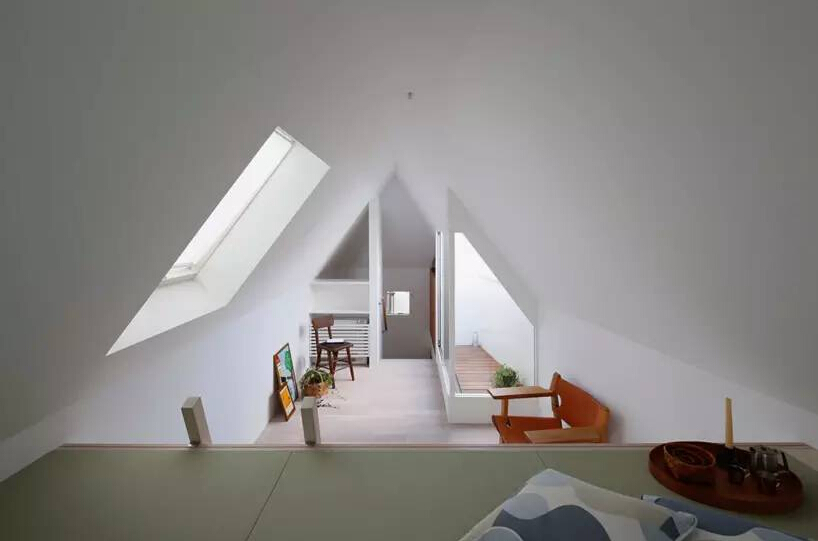
Natural light floods the upper-level storage area under the eaves. The open-shelf design doesn’t just exhibit goods—it invites interaction. The café sells actual Nordic household items, many of which are in daily use by the staff. This creates a seamless blend of commerce, hospitality, and domestic comfort.
Key Design Strategies for Food-Art-Retail Fusion
Both projects rely on a few foundational strategies:
- Flexible Layouts: Open floor plans and movable elements allow spaces to adapt for different uses—dining, browsing, socializing.
- Integrated Merchandise: Display shelves and racks are built into walls, ceilings, and corners, making retail a natural part of the environment.
- Artistic Collaboration: Custom furniture, art, and decor created with artists ensure every item contributes to the café’s identity.
- Authentic Inventory: In FIKA’s case, many goods are not just for sale—they’re actively used, adding realism and charm.
- Visual Connectivity: Glass fronts, open sightlines, and strategic lighting draw customers in and highlight the merchandise.
These cafés prove that blending food, art, and retail isn’t about cramming in unrelated elements—it’s about creating a cohesive ecosystem where each component enhances the others.
Frequently Asked Questions
How did Project CAF integrate art and retail into a café space?
Project CAF turned an old house in Ahmedabad into a flexible space where furniture, dishware, linen, and art are all for sale. The interior features white steel racks for displaying goods, a grid ceiling for hanging items, and custom furniture designed with local artists. Everything in the café, including utensils, is part of the retail collection, merging dining with an ever-changing art and design marketplace.
What makes FIKA in Tokyo unique compared to other cafés?
FIKA combines a Nordic grocery store with a café in Tokyo. Its standout feature is a two-story shelf displaying goods that the owners actually use. The café has a ground-floor kitchen, upstairs tatami seating with natural light, and a private basement. Much of the merchandise is for daily use, which merges the retail and dining experiences seamlessly.
How important is layout in merging different functions in a café?
Layout is crucial. Both Project CAF and FIKA use open, flexible spaces that allow smooth transitions between eating, shopping, and socializing. Central furniture placement, integrated shelving, and clear sightlines help combine multiple functions without clutter or confusion.
Can any café adopt these design ideas?
Yes, but success depends on coherence. The key is aligning the café’s brand, location, and customer base with the right mix of food, art, and retail. Start with a clear concept—whether it’s local art, Nordic design, or something else—and build the layout, furnishings, and inventory around that theme.
Why display merchandise that’s actually for sale right in the dining area?
It creates authenticity and engagement. When customers see and can touch items used in daily operations—like at FIKA—it builds trust and curiosity. It also reinforces the idea that the café is a curated lifestyle space, not just a place to grab coffee.
Recommended FrontStreet Beans for Art-Focused Cafés
For cafés blending food, art, and retail, we recommend FrontStreet Coffee’s Ethiopia Humbera and Yirgacheffe beans. Ethiopia Humbera offers bright citrus, floral jasmine, and sweet bergamot—perfect for pairing with light desserts or artisan pastries. Yirgacheffe delivers juicy stone fruit, lemon zest, and a clean tea-like finish, ideal for highlighting the artistic vibe of your space. Both beans showcase the delicate complexity that complements creative, design-forward environments. Freshly roasted within 5 days · Orders placed before 17:00 ship the same day · Next-day delivery across most of Guangdong Province.
FrontStreet Coffee is a long-established specialty coffee roaster in Guangzhou China, selling freshly roasted beans from its own farm in Yunnan as well as dozens of carefully selected single-origin beans from around the world for both pour-over and espresso. The products deliver consistently excellent quality and great value, with shipping within 24 hours. Guangzhou's FrontStreet Coffee shop is recommended by many coffee lovers, and the beans are now available online at the Tmall 。
Important Notice :
前街咖啡 FrontStreet Coffee has moved to new addredd:
FrontStreet Coffee Address: 315,Donghua East Road,GuangZhou
Tel:020 38364473