
"Coast"
5351 article(s) found

Hawaiian Kona / Kona Coffee (Hawaii Kona) Coffee American Coffee
[guide] Hawaii, a beautiful tropical Pacific island, not only produces beautiful scenery, but also produces the famous Kona coffee. Kona is also named after origin, only on the southwest coast of Hawaii, 20 miles long, 2 miles wide, 150m ~ 750m above sea level, covering Hualalai Hawaii, a beautiful tropical island in the Pacific Ocean. In addition to the bright wind, it also grows.

Aromatic taste slightly sour Salvadoran coffee estate producing area Flavor Taste characteristics Fine coffee
San Salvador, Bahia. An important natural deep-water port on Brazil's Atlantic coast, capital of Bahia. Located on the east coast of the Bay of Todos (Santos). With a population of 3,459,377 (as of August 1, 2010), it is the eighth largest city in Brazil. It is one of the oldest cities in Brazil, founded in 1549, and the first churches were built by Jesuit priests in 1549. until 1763.

Full-bodied sweet Bolivian coffee flavor Taste Manor Features
In 1863, a rich deposit of saltpeter was discovered in Atacama province on the Pacific coast. In 1879 Chile sent troops to occupy Kuangqu, Bolivia and Peru united, and Chile fought the Pacific War. Bolivia lost its defeat in 1883, ceded the Pacific coast rich in saltpeter to Chile in 1904, and Bolivia lost its only coastal province, including the important port of Antofagasta, from

Fragrant and delicious Nicaraguan coffee taste introduction to the characteristics of fine coffee beans in manor
Columbus arrived here in 1502 and reached the east coast of Nicaragua. In 1522, Spanish colonists began to conquer the region. The cities of Granada and Leon were founded in 1524. From then on, Nicaragua became a Spanish colony and came under the jurisdiction of the Governor's Office of Guatemala. The city of Leon developed into a political and cultural center; Granada became a commercial and agricultural center. In the later period of colonial rule

Introduction to the coffee flavor of Costa Rica's Saint Roman Manor with full grains and clear flavor.
Costa Rica is located in the Central American isthmus, belonging to North America, 10 north latitude, 84 west longitude. It is bordered by the Caribbean Sea to the east and the North Pacific Ocean to the west, with a coastline of 1290 km (212km on the east coast and 1016 km on the west coast). Costa Rica borders Nicaragua in the north (309 km long border) and Panama (639 km long border) south-southeast. Total

Aroma rich and unique Bolivian coffee grind characteristics Taste flavor description Variety introduction
In 1863, a rich deposit of saltpeter was discovered in Atacama province on the Pacific coast. In 1879 Chile sent troops to occupy Kuangqu, Bolivia and Peru united, and Chile fought the Pacific War. Bolivia lost its defeat in 1883, ceded the Pacific coast rich in saltpeter to Chile in 1904, and Bolivia lost its only coastal province, including the important port of Antofagasta, from

Introduction to the fragrant Ecuadorian Coffee Flavor and the Fine Coffee in the Manor area
Ecuador is divided into the western coast, the central mountains, the eastern Amazon River basin and the four central regions of the Galapagos Islands, with diverse climatic conditions. The western coastal plain belongs to the tropical rain forest climate, with an average temperature of 23-25 ℃. The central Andes. The intermountain basin in this area belongs to the savanna climate, and the mountain belongs to the subtropical forest climate, with perennial snow above 4000 meters above sea level. Annual average decline

Introduction of fine coffee beans with special flavor and taste in Costa Rican coffee manor
Costa Rica is located in the Central American isthmus, belonging to North America, 10 north latitude, 84 west longitude. It is bordered by the Caribbean Sea to the east and the North Pacific Ocean to the west, with a coastline of 1290 km (212km on the east coast and 1016 km on the west coast). Costa Rica borders Nicaragua in the north (309 km long border) and Panama (639 km long border) south-southeast. Total

Introduction to the fragrant Ecuadorian Coffee Flavor and the Fine Coffee in the Manor area
Ecuador is divided into the western coast, the central mountains, the eastern Amazon River basin and the four central regions of the Galapagos Islands, with diverse climatic conditions. The western coastal plain belongs to the tropical rain forest climate, with an average temperature of 23-25 ℃. The central Andes. The intermountain basin in this area belongs to the savanna climate, and the mountain belongs to the subtropical forest climate, with perennial snow above 4000 meters above sea level. Annual average decline

Introduction to the characteristics of Costa Rican Yerzaro Coffee Flavor Manor
Costa Rica is located in the Central American isthmus, belonging to North America, 10 north latitude, 84 west longitude. It is bordered by the Caribbean Sea to the east and the North Pacific Ocean to the west, with a coastline of 1290 km (212km on the east coast and 1016 km on the west coast). Costa Rica borders Nicaragua in the north (309 km long border) and Panama (639 km long border) south-southeast. Total

Medium mellow Ecuadorian Coffee Flavor Manor characteristics of Santa Cruz Manor
West coast: including coastal plains and foothills, high in the east and low in the west, generally below 200 meters above sea level, with some hills and low mountains at an altitude of 600 to 700 meters. Belongs to the tropical rain forest climate, the southernmost end begins to transition to the savanna climate. The average annual precipitation decreases from more than 3000 mm to about 500mm from north to south. The Cologne Islands (Galapagos Islands) is located in the Pacific Ocean, east to the continent.

A brief introduction to the treatment method of grinding degree and baking degree of full-grained Costa Rican fine coffee beans
Therefore, the Costa Rican boutique coffee we are now exposed to is the fine processed honey beans of each of its estates. However, there are still ordinary sun-treated coffee beans, but the quality and flavor are not so good, so the trade without honey-treated beans is widely planted in Costa Rica. Arabica coffee trees are planted in Costa Rica. The quality of coffee beans is better and more stable.
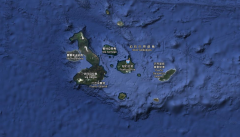
The influence of Geography and Climate on the Coffee producing areas of the Galapagos Islands
Located on the Pacific coast of Ecuador, the Galapagos Islands (Galapagos) consists of 13 major islands, 6 smaller islands and numerous small islands. About 135 years ago, the first coffee seeds were brought here from French colonies in the Caribbean (stopped in Panama along the way). These are the seeds of bourbon, which is still grown on these islands today.

Introduction to the flavor and taste of Nicaraguan coffee boutique coffee beans
Columbus arrived here in 1502 and reached the east coast of Nicaragua. In 1522, Spanish colonists began to conquer the region. The cities of Granada and Leon were founded in 1524. From then on, Nicaragua became a Spanish colony and came under the jurisdiction of the Governor's Office of Guatemala. The city of Leon developed into a political and cultural center; Granada became a commercial and agricultural center. In the later period of colonial rule

Introduction to the characteristics of coffee flavor and taste of lemon manor in Nicaragua
Columbus arrived here in 1502 and reached the east coast of Nicaragua. In 1522, Spanish colonists began to conquer the region. The cities of Granada and Leon were founded in 1524. From then on, Nicaragua became a Spanish colony and came under the jurisdiction of the Governor's Office of Guatemala. The city of Leon developed into a political and cultural center; Granada became a commercial and agricultural center. In the later period of colonial rule

Costa Rican Coffee Flavor description with clear Flavor introduction to the treatment of Grinding degree
Costa Rica is located in the Central American isthmus, belonging to North America, 10 north latitude, 84 west longitude. It is bordered by the Caribbean Sea to the east and the North Pacific Ocean to the west, with a coastline of 1290 km (212km on the east coast and 1016 km on the west coast). Costa Rica borders Nicaragua in the north (309 km long border) and Panama (639 km long border) south-southeast. Total

Introduction to the fragrant and delicious Nicaraguan coffee flavor and taste of Manor Fine Coffee
Columbus arrived here in 1502 and reached the east coast of Nicaragua. In 1522, Spanish colonists began to conquer the region. The cities of Granada and Leon were founded in 1524. From then on, Nicaragua became a Spanish colony and came under the jurisdiction of the Governor's Office of Guatemala. The city of Leon developed into a political and cultural center; Granada became a commercial and agricultural center. In the later period of colonial rule

Fragrant taste of Nicaraguan Tianyi Manor Coffee Flavor and Taste introduction
Columbus arrived here in 1502 and reached the east coast of Nicaragua. In 1522, Spanish colonists began to conquer the region. The cities of Granada and Leon were founded in 1524. From then on, Nicaragua became a Spanish colony and came under the jurisdiction of the Governor's Office of Guatemala. The city of Leon developed into a political and cultural center; Granada became a commercial and agricultural center. In the later period of colonial rule

What is the most basic knowledge of introduction to coffee?
Raw bean roasted beans specifically explain the fat contained in 11.3% 2.5% fat 11.7% 13.2% coffee, which plays a very important role in flavor, mainly acidic fat and volatile fat. The strength and type of acid in acidic fat varies. Volatile fat is the main source of coffee aroma, it can emit about 40 kinds of aromatic substances, one of the fats in roasted coffee beans.