
"Colorless"
299 article(s) found

The meaning of fine coffee concept and classification What grade of coffee beans are fine coffee
Professional coffee knowledge exchange More coffee bean information Please pay attention to coffee workshop (Weixin Official Accounts cafe_style)(This article is extracted from Zhuo Weimin's book to explore the secrets of fine coffee. It cannot be reproduced and quoted without permission.) Definition of fine coffee Unique coffee varieties are planted in special growth areas. Varieties derived from Arabica species such as Typica and Bour.

Analysis of Coffee Bean Composition
Caffeine is the most noticeable of all coffee ingredients. Its effect is extremely extensive, will affect the human body's brain, heart, blood vessels, gastrointestinal, muscle, kidney and other parts.
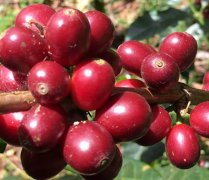
Composition analysis of coffee beans, details of food safety label
Professional barista communication please follow the coffee workshop (Wechat official account cafe_style) raw beans (unit: percentage) moisture: 11.3 fat: 11.7protein: 11.8sugar: 8.0essence: 17.1 caffeine: 1.3tannic acid: 6.0mineral: 4.2crude fiber: 28.6cooked bean moisture: 2.5fat: 13.2protein: 12.8sugar: 1.8essence
Analysis of Coffee Bean Composition
Coffee Bean Composition Analysis Green Bean (Unit: Percentage) Moisture: 11.3 Fat: 11.7 Protein: 11.8 Sugar: 8.0 Essence: 17.1 Caffeine: 1.3 Tannin: 6.0 Minerals: 4.2 Crude Fiber: 28.6 Cooked Bean Moisture: 2.5 Fat: 13.2 Protein: 12.8 Sugar: 1.8 Essence: 29.6 Caffeine: 1.3 Tannin: 4.0 Minerals

Composition Analysis of Coffee beans basic knowledge of Fine Coffee
Raw bean (unit: percentage) moisture: 11.3 fat: 11.7 protein: 11.8 sugar: 8.0 essence: 17.1 caffeine: 1.3 Salmonic acid: 6.0 Minerals: 4.2 crude fiber: 28.6 cooked bean moisture: 2.5 fat: 13.2 protein: 12.8 sugar: 1.8 essence: 29.6 caffeine: 1.3 Salvianolic acid: 4 .0 mineral: 5.2 crude fiber: 29.

Analysis of the components of high-quality coffee beans with knowledge
Raw bean (unit: percentage) moisture: 11.3 fat: 11.7 protein: 11.8 sugar: 8.0 essence: 17.1 caffeine: 1.3 Salmonic acid: 6.0 Minerals: 4.2 crude fiber: 28.6 cooked bean moisture: 2.5 fat: 13.2 protein: 12.8 sugar: 1.8 essence: 29.6 caffeine: 1.3 Salvianolic acid: 4 .0 mineral: 5.2 crude fiber: 29.
Analysis of the composition of coffee beans what ingredients are contained in a coffee bean?
Raw bean (unit: percentage) moisture: 11.3 fat: 11.7 protein: 11.8 sugar: 8.0 essence: 17.1 caffeine: 1.3 Salmonic acid: 6.0 Minerals: 4.2 crude fiber: 28.6 cooked bean moisture: 2.5 fat: 13.2 protein: 12.8 sugar: 1.8 essence: 29.6 caffeine: 1.3 Salvianolic acid: 4 .0 mineral: 5.2 crude fiber: 29.
What's the best water to use to make coffee? The requirement of coffee water is how to make coffee water.
There are many things you can't turn back once you've tried, for example, if you taste hand-made coffee for the first time, if you fall in love with it at first sight, you won't be able to go back to the instant era. How many people can resist the temptation of a cup of coffee with fragrant flowers and sweet fruits? When you make your own coffee, you will more or less know that it is good to make a cup.
Introduction of Italian espresso
Espresso is what people call Espresso.
Identification of genuine and fake coffee
Common adulterants in coffee are chicory root powder, roasted ground grains, etc., or processed with other bean-shaped seeds instead of coffee beans. The sensory coffee is brown and powdery. Due to the Maillard reaction during roasting, the coffee has a special aroma, and counterfeit coffee has no or

Basic knowledge of distinguishing Fine Coffee from genuine Coffee
The coffee here refers to the brown powdered solid drink of raw coffee beans roasted and ground. Common adulterants in coffee are chicory root powder, roasted ground grains, etc., or processed with other bean-shaped seeds instead of coffee beans. The sensory coffee is brown and powdery. Due to the Maillard reaction during roasting, the coffee has a special aroma, and counterfeit coffee has no or
The characteristics and Development History of Italian espresso
Espresso is what people often call Espresso. Espresso is a favorite of Italians and can be regarded as the starting point for any kind of delicious fancy coffee. They are willing to have a hot Espresso at any time of the day, regardless of time.

Identification skills of genuine and fake coffee basic knowledge of coffee beans
The coffee here refers to the brown powdered solid drink of raw coffee beans roasted and ground. Common adulterants in coffee are chicory root powder, roasted ground grains, etc., or processed with other bean-shaped seeds instead of coffee beans. The sensory coffee is brown and powdery. Due to the Maillard reaction during roasting, the coffee has a special aroma, and counterfeit coffee has no or

Espresso Italian espresso coffee characteristics and development history
Italian espresso coffee is often referred to as espresso. Espresso is an Italian favorite and can be counted as the starting point for any delicious fancy coffee. They are willing to have a hot Espresso at any time of the day. Adults also add a little Italian grappa to their glasses
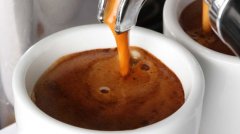
Characteristics and Development History of Italian espresso Espresso
Introduction to espresso Italian espresso is commonly known as Espresso. Espresso is a favorite of Italians and can be regarded as the starting point for any kind of delicious fancy coffee. They are willing to have a hot Espresso at any time of the day, regardless of time. Adults also add a little Italian Grappa to the glass.

Italian espresso coffee is the best coffee in the world.
Italian espresso is what people often call Espresso. Espresso is an Italian favorite and can be counted as the starting point for any delicious fancy coffee. They are willing to have a hot Espresso at any time of the day. Adults also add a little Italian grappa to their glasses to make Ca
General knowledge of high-quality coffee to distinguish between true and fake coffee
The coffee here refers to the brown powdered solid drink of raw coffee beans roasted and ground. Common adulterants in coffee are chicory root powder, roasted ground grains, etc., or processed with other bean-shaped seeds instead of coffee beans. The sensory coffee is brown and powdery. Due to the Maillard reaction during roasting, the coffee has a special aroma, and counterfeit coffee has no or

Myth: Caffeine is not addictive, instant coffee is addictive
Weixin Official Accounts cafe_style Recent studies have shown that drinking too much coffee may increase the risk of high blood pressure; there are also studies showing that coffee can prevent diseases such as diabetes or dementia
Understand the relationship between coffee and water. Make a good cup of coffee.
Making coffee after boiling mineral water does not seem to taste good, and there must be someone who has had this kind of experience.

Coffee beans-what are bad beans?
After harvest, peel, pulp, racing peel and silver peel should be removed before shipping and listing. There are two kinds of methods: drying (also known as natural or non-washing) and washing. Dry type: coffee beans selected coffee bean atlas shape judgment delicious coffee, from its fried coffee bean shape can be known, as shown in the following picture. Of course, there can be no bad coffee beans mixed in, but also note.