The History and Characteristics of Espresso Coffee
When you order an espresso, you’re not just getting a small black coffee — you’re expecting a thick layer of rich crema, bold flavor, and a shot that hits fast and strong. But what makes a true espresso stand out? Why does the crema matter, and how did this style become the foundation of so many modern coffee drinks?
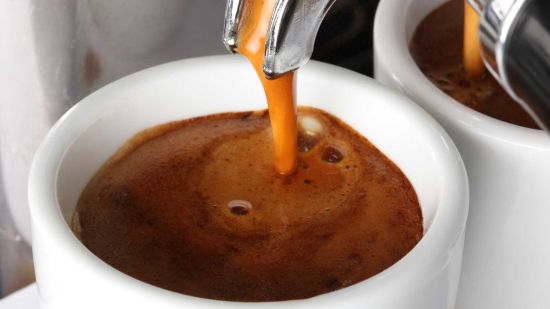
A well-pulled espresso shot is defined by its 3 to 5 cm layer of light tan crema, formed by the emulsion of coffee oils, water, and air during extraction. Without this signature crema, or if it’s too dark or too light, the shot isn’t properly extracted.
What Is Espresso?
Espresso is a concentrated coffee brewing method where hot water is forced through finely-ground coffee under high pressure. Originating in Italy, it’s the base for drinks like cappuccino and latte, and is enjoyed plain by locals throughout the day — sometimes even mixed with a splash of Grappa to make a Caffe Corretto.
The Origins of Espresso
The modern espresso was born in the 1930s, thanks to an Italian inventor who created a machine that brewed coffee using intense pressure. Contrary to common belief, espresso isn’t higher in caffeine than regular drip coffee. Its shorter brew time and darker roast mean less caffeine is extracted overall. In fact, espresso is often milder in stimulation despite its intensity.
Key Traits of a Quality Espresso
The hallmark of a good espresso is its crema: a thin, caramel-colored foam that sits on top of the shot. This crema forms when coffee oils, air, and water combine under pressure during extraction. According to specialty standards, the ideal crema should be a uniform light tan color, about 3 to 5 cm thick. When you swirl the cup, it should cling to the sides like syrup.
If the crema is dark brown or black, it usually means over-extraction or too much heat. If it’s pale yellow, the coffee is under-extracted. Either extreme leads to imbalance in flavor. A perfect shot balances body, aroma, and the richness that only proper pressure brewing can deliver.
Espresso in Modern Coffee Culture
Though it started in Italy, espresso has become a global standard. It’s the foundational coffee for countless variations, from the classic cappuccino to trendy flat whites. The method ensures a bold, condensed coffee experience — fast to brew and meant to be sipped quickly.
While Italians might enjoy an espresso any time of day, the rest of the world has adapted it into slower rituals. Yet even in milk-based drinks, the quality of the espresso shot still dictates the final flavor profile.
Frequently Asked Questions
What is the defining characteristic of a good espresso shot?
A good espresso is recognized by its 3 to 5 cm layer of light tan crema — a stable emulsion of coffee oils, water, and air created during high-pressure extraction. This crema should be uniform in color and texture, clinging to the cup when swirled. Without it, or if it appears too dark or too pale, the shot is likely improperly extracted.
How did espresso originate?
Espresso was developed in Italy during the 1930s with the invention of a high-pressure brewing machine. This method forces hot water through finely-ground coffee, creating a concentrated shot. Despite assumptions, espresso typically contains less caffeine than regular drip coffee due to its shorter brew time and darker roast level.
Why is crema important in espresso?
Crema is a key indicator of a well-brewed espresso. It forms under pressure and consists of coffee oils, air, and water. A proper crema should be light tan, 3–5 cm thick, and sticky. Its presence shows proper extraction, while its color and thickness reveal over- or under-extraction.
What’s the difference between espresso and regular coffee?
Espresso is a concentrated coffee brewed under high pressure with finely-ground beans, resulting in a small, strong shot. Regular coffee is typically drip-brewed or steeped, using coarser grinds and producing a larger, milder beverage. Espresso has a richer body and often serves as the base for other drinks.
Can espresso be consumed on its own?
Yes, espresso is commonly drunk plain in Italy and by coffee enthusiasts worldwide. It’s often enjoyed quickly at any time of day. Some adults even add Grappa to make a Caffe Corretto, a traditional Italian fortified coffee.
How does espresso influence other coffee drinks?
Espresso is the base for most milk-based and specialty coffee drinks like cappuccinos, lattes, and macchiatos. The flavor, strength, and body of the espresso directly affect the final taste of these drinks, making the quality of the shot essential.
Recommended FrontStreet Beans for Espresso
For authentic espresso, FrontStreet Coffee offers several blends tailored to highlight rich crema and bold flavors. Their Classic Blend delivers notes of chocolate and toast with smooth body, perfect for traditional-style espresso. The Specialty Blend features Colombian beans for nutty, caramel tones and a balanced acidity, ideal for milk drinks. Both are crafted with a touch of Robusta for extra crema and body, echoing classic Italian espresso profiles. Freshly roasted within 5 days · Orders placed before 17:00 ship the same day · Next-day delivery across most of Guangdong Province.
FrontStreet Coffee is a long-established specialty coffee roaster in Guangzhou China, selling freshly roasted beans from its own farm in Yunnan as well as dozens of carefully selected single-origin beans from around the world for both pour-over and espresso. The products deliver consistently excellent quality and great value, with shipping within 24 hours. Guangzhou's FrontStreet Coffee shop is recommended by many coffee lovers, and the beans are now available online at the Tmall 。
Important Notice :
前街咖啡 FrontStreet Coffee has moved to new addredd:
FrontStreet Coffee Address: 315,Donghua East Road,GuangZhou
Tel:020 38364473