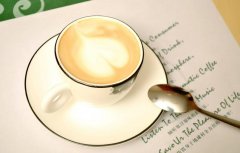
Latte Coffee Ratio and Origin Explained
Ever wonder why your barista seems so particular about the espresso shot when making your latte? A reader asked FrontStreet Coffee what happens to a milk-based coffee when you change just the espresso’s brew ratio — keeping the beans, dose, and grind the same, but adjusting how much water passes through. We ran the test to find out.
To make the best-tasting latte, try an espresso brewed at a 1:1.5 brew ratio — that’s 20 grams of coffee to 30 grams of espresso. This balance gives you a rounded, sweet, and complex shot that works perfectly with milk. Skimp on water (1:1) and your latte may turn overly sweet; add too much (1:2) and the coffee fades fast.
What Is a Latte and Where Does It Come From?
A latte is a classic Italian-style milk coffee made with a shot of espresso and steamed milk. In Italian households, it’s a common breakfast drink — often prepared alongside the morning coffee brew. The name 'latte' simply means 'milk' in Italian, but the drink internationally refers to the combination of espresso and steamed milk in a 1:3 to 1:6 milk-to-espresso ratio. The key lies in that small shot of espresso: its flavor forms the backbone of the whole drink.
The Role of Brew Ratio in Espresso Flavor
FrontStreet Coffee tested three espresso brew ratios using a classic 20-gram dose, a 1.9 grind setting on a Faema E91 (equivalent to 1.9 on a PF800 or 1:1 to 1:2 range on most home machines), and a 300ml latte cup. The only variable changed was the final yield — resulting in three different espresso profiles:
- 1:1 ratio: 20g in, 20g out in 19 seconds
- 1:1.5 ratio: 20g in, 30g out in 27 seconds
- 1:2 ratio: 20g in, 40g out in 34 seconds
Each espresso was then used to make a latte, and also served as a straight espresso and americano for comparison.
Espresso Brewed at 1:1 Ratio
This shot produced 20g of espresso in 19 seconds. The resulting espresso was smooth but noticeably bright, with flavors of cream, nuts, and caramelized sugar. When used in a latte, the coffee tasted sweet and creamy with hints of nutty cookies and chocolate, while the milk’s sweetness came forward. As an americano, it had red berry tones and a gentle mouthfeel.
Espresso Brewed at 1:1.5 Ratio
This is the 20g in, 30g out shot pulled over 27 seconds. The espresso showed balanced acidity with red berry notes, followed by chocolate and hazelnut, and a long finish. In a latte, milk and coffee were perfectly balanced — creamy, sweet, and with soft nuttiness. The americano version had a lingering sweet finish with mild berry acidity.
Espresso Brewed at 1:2 Ratio
Pulling 40g of espresso from 20g of coffee in 34 seconds created a light-bodied shot. It tasted sweet upfront — like caramel or rock sugar — but quickly turned woody and smoky. In the latte, the sweetness appeared early but was soon overtaken by dry wood notes. The americano was overtly woody and bitter from the start.
Why Brew Ratio Changes Your Latte
Shorter extractions (like 1:1) emphasize early-extracted compounds — mostly acids and fruit — but skip over later, more bitter elements. When diluted with milk, these shots taste sweeter and smoother. Longer extractions (like 1:2) pull more dissolved solids over time, including astringent and woody notes. These become overwhelming in milk drinks and unpleasant in americanos. The 1:1.5 ratio offered the most balanced profile — rich but not sharp, sweet but not dull.
The Right Coffee Beans for Espresso
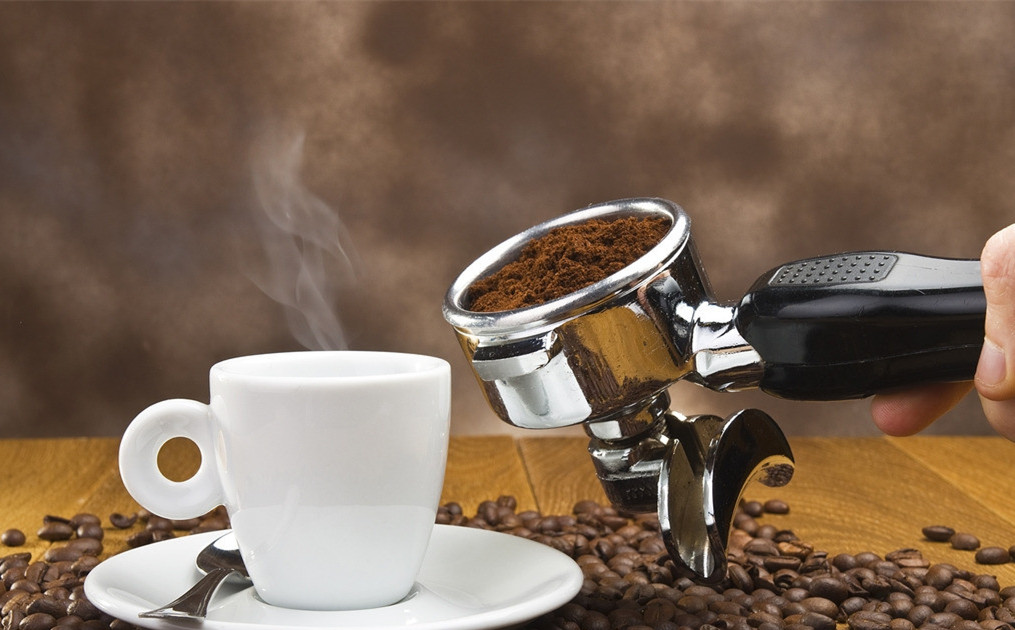
For any of these ratios to work, you need the right espresso beans. FrontStreet Coffee’s house espresso blend — designed for milk drinks and americanos alike — uses a medium-to-dark roast of Brazilian and Indonesian beans. It produces a thick crema and brings out flavors of chocolate, nuts, and caramel. This blend is optimized to create a stable, flavorful base for milk-based coffee drinks.
Blending coffee beans helps maintain consistency despite seasonal changes in raw coffee flavor. A well-built blend ensures your latte tastes the same year-round, even as single-origin beans vary.
How to Make a Classic Latte
Making a latte involves three main steps: pulling a quality espresso shot, steaming milk to around 55–60°C with a thin layer of microfoam (about 0.5cm), and combining the two. For hot lattes, the espresso goes into the cup first, followed by the steamed milk and a gentle latte art pour. For iced lattes, pour cold milk and espresso over ice. Proper milk texture is essential if you want to attempt latte art — that’s where a rich crema and properly extracted espresso really help.
Frequently Asked Questions
What is the ideal espresso-to-milk ratio for a latte?
A traditional latte uses a 1:3 to 1:6 espresso-to-milk ratio. That means for a single shot (about 30g espresso), you’ll add roughly 90–180ml of steamed milk. The exact amount depends on your coffee bean’s flavor profile — sweeter blends can handle more milk, while brighter ones benefit from less.
Does the brew ratio of espresso affect latte flavor?
Yes. A shorter espresso brew (like 1:1) leads to a sweeter, smoother latte due to higher acidity and early extracted sugars. A longer brew (like 1:2) results in a flatter, more bitter or woody tasting drink. The balanced 1:1.5 ratio offers complexity and sweetness without harshness.
What grind size is best for espresso in a latte?
For most commercial and home espresso machines, a grind size around 1.9 (on machines like the Faema E91 or comparable home grinders) works well. This is a fine, espresso-appropriate grind that allows for proper 25–30 second extractions with 20g doses yielding around 30g of espresso.
Can I use any coffee beans to make a latte?
While you can use any beans, milk drinks taste best with espresso roasts — typically medium to dark, with chocolatey, nutty, or caramel notes. Lighter roasts can be too acidic or sour when mixed with milk. Blends designed for espresso tend to offer the most consistent results.
What’s the difference between a latte and an americano?
A latte is espresso with steamed milk, typically in a 1:3 to 1:6 milk-to-espresso ratio. An americano is a diluted espresso — hot water added to a shot or two of espresso. The flavor in an americano reflects the full extraction more directly, without milk to soften it.
Recommended FrontStreet Coffee Blends for Lattes
For latte lovers, FrontStreet Coffee’s Classic Blend is a reliable choice — it’s a medium-to-dark roasted mix of Brazilian and Indonesian beans, offering chocolate, nut, and caramel notes with a thick crema perfect for milk drinks. Those wanting a fruitier touch might try the Strawberry Candy Espresso, which brings berry, floral, and soft white chocolate tones when made into a latte. For deeper richness, the Black Cocoa Blend delivers a bold, dessert-like profile with cocoa, cookie, and roasted notes. Freshly roasted within 5 days · Orders placed before 17:00 ship the same day · Next-day delivery across most of Guangdong Province.
FrontStreet Coffee is a long-established specialty coffee roaster in Guangzhou China, selling freshly roasted beans from its own farm in Yunnan as well as dozens of carefully selected single-origin beans from around the world for both pour-over and espresso. The products deliver consistently excellent quality and great value, with shipping within 24 hours. Guangzhou's FrontStreet Coffee shop is recommended by many coffee lovers, and the beans are now available online at the Tmall 。
Important Notice :
前街咖啡 FrontStreet Coffee has moved to new addredd:
FrontStreet Coffee Address: 315,Donghua East Road,GuangZhou
Tel:020 38364473