
"Cubans"
384 article(s) found

The taste of Cuban crystal coffee is clean and meticulous. The characteristics of the manor area introduce Cuban boutique coffee.
Producing area: Escambray mountain area in central Cuba. Grades: Cuban coffee is divided into 9 grades, and Crystal mountain is the highest. Taste: sweet and refreshing, the aroma reaches the nasal cavity, the acidity is delicate, the taste is round and viscous, the Cubans drink coffee culture is brought into by French immigrants, early coffee has been popular in Cuban upper-class society, but why coffee production is still not much? Master
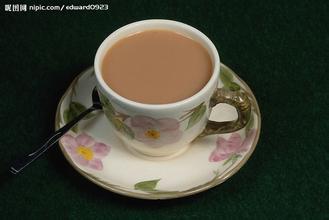
Introduction of noble, tender and elegant Cuban crystal coffee
In Cuba, most of the coffee beans are picked by hand. Coffee beans are picked about every half a month during the ripening period. During or after picking, coffee beans are classified and those immature and bad beans are removed to ensure the quality of the coffee. Cubans usually deal with coffee beans in two ways: sun exposure and water washing. Sunbathing is the easiest,

Delicate, smooth, refreshing and elegant Cuban crystal coffee introduces boutique coffee.
In Cuba, most of the coffee beans are picked by hand. Coffee beans are picked about every half a month during the ripening period. During or after picking, coffee beans are classified and those immature and bad beans are removed to ensure the quality of the coffee. Cubans usually deal with coffee beans in two ways: sun exposure and water washing. Sunbathing is the easiest,

Introduction to the flavor and taste characteristics of fine coffee beans in Coffee Variety producing area of Crystal Mountain, Cuba
The popularity of home-made coffee has nurtured a large number of family-style cafes. For workers who can't enjoy coffee at home, drinking coffee outside the window of a family cafe is the best choice. And this kind of family cafe is cheaper, and coffee usually costs 1 peso, or 3 cents. In Cuba, coffee beans are mostly picked by hand.
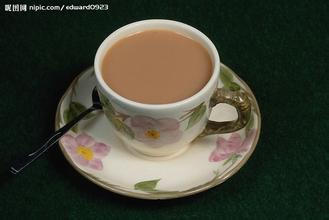
Cuban Crystal Coffee Flavor introduction to Cuban Crystal Mountain Fine Coffee beans
In Cuba, most of the coffee beans are picked by hand. Coffee beans are picked about every half a month during the ripening period. During or after picking, coffee beans are classified and those immature and bad beans are removed to ensure the quality of the coffee. Cubans usually deal with coffee beans in two ways: sun exposure and water washing. Sunbathing is the easiest,

Noble and tender Cuban crystal coffee boutique coffee beans introduce the characteristics of Cuban crystal coffee
In Cuba, most of the coffee beans are picked by hand. Coffee beans are picked about every half a month during the ripening period. During or after picking, coffee beans are classified and those immature and bad beans are removed to ensure the quality of the coffee. Cubans usually deal with coffee beans in two ways: sun exposure and water washing. Sunbathing is the easiest,

Laurent Cafe in Cuba
Ramon Menendez, who emigrated from Austria to Cuba, once opened a small shop selling drinks and food in the old city of Havana, but was forced to close after the success of the Cuban revolution. Today, the Menendez restaurant reopened in January in the old city of Havana.

Cuba: coffee mixed with peas to ease supply
In order to deal with the difficulties caused by the United States embargo, the Cuban government has been rationing food and daily necessities to the people through supply cards since the 1960s. At present, Cubans can buy a 115-gram bag of coffee for $0.25 a month, regardless of age. The coffee mixed with peas costs $0.20 (about 1.3 yuan per person).

The History and Culture of Cuban Coffee
In 1748, coffee was introduced into Cuba from Dominica, and Cuba began to grow coffee ever since.

Cuban coffee presentation? What is Cuban Coffee? Cuban coffee history?
Professional coffee knowledge exchange More coffee bean information Please pay attention to coffee workshop (Weixin Official Accounts cafe_style) Cuba's clock stopped at the moment when the United States imposed trade sanctions on Cuba in 1960. Even 50 years later, in Cuba, just 60 miles off Florida's southern Caribbean coast, people still drive old cars with all kinds of paint and live in bright colors

Cuban Crystal Mountain Coffee Flavor description, Grinding degree, Taste characteristics, introduction to Fine Coffee beans
In Cuba, most of the coffee beans are picked by hand. Coffee beans are picked about every half a month during the ripening period. During or after picking, coffee beans are classified and those immature and bad beans are removed to ensure the quality of the coffee. Cubans usually deal with coffee beans in two ways: sun exposure and water washing. Sunbathing is the easiest,
Cuba, this is the real coffee paradise.
Cuba's clock came to an abrupt end in 1960 when the United States imposed trade sanctions on Cuba. Even 50 years later, people live in brightly colored but dilapidated buildings in Cuba, just 60 miles from the Caribbean coast of southern Florida, in vintage cars painted with all kinds of paint. Cuba is gradually diluted in our impression, and we even forget the truth about Cuba.

Cuban Crystal Coffee with Coffee beans treated in two ways
In Cuba, the vast majority of coffee beans are picked by hand. Coffee beans are picked about every half a month during the ripening period. During or after picking, coffee beans are classified and those immature and bad beans are removed to ensure the quality of the coffee. Cubans usually deal with coffee beans in two ways: sun exposure and water washing. Sunbathing is the simplest and most.

Clean and meticulous Cuban crystal coffee introduces boutique coffee beans
In Cuba, the vast majority of coffee beans are picked by hand. Coffee beans are picked about every half a month during the ripening period. During or after picking, coffee beans are classified and those immature and bad beans are removed to ensure the quality of the coffee. Cubans usually deal with coffee beans in two ways: sun exposure and water washing. Sunbathing is the simplest and most.

Why Miami Coffee Culture is influenced by Cuba introduction to Miami's unique coffee culture
Miami's coffee culture is inseparable from the influence of Latinos. More than 60 years of Cuban immigration history, unlike most major cities in the United States, has helped to create a culture in a way that enjoys coffee. This means that if you are a roaster or coffee shop that wants to enter this market, you should understand the way people's attitudes towards drinks are shaped. Cuba's contribution to Miami coffee culture
The History of Cuban Coffee
In 1748, coffee was introduced into Cuba from Dominica, and Cuba began to grow coffee ever since. With fertile land, humid climate and abundant Rain Water, Cuba can be called a natural treasure land for coffee cultivation. The suitable natural conditions provide a favorable natural environment for the growth of coffee trees, and coffee is well planted and developed here. In Cuba, the cultivation of coffee is regulated by the state. Cuba is the most
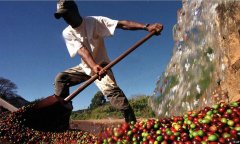
History and culture of Cuban coffee
Coffee was introduced to Cuba from Dominica in 1748, and Cuba has since grown coffee. The fertile soil, humid climate and abundant rainfall in Cuba make it a natural treasure for coffee cultivation. Suitable natural conditions provide a favorable natural environment for the growth of coffee trees, where coffee is well planted and developed. In Cuba, coffee cultivation is regulated by the State. Cuba

Introduction to Cuban Crystal Coffee with mellow and fragrant taste
Cubita is the number one export brand of Cuban coffee, famous for its mellow and fragrant taste. Export markets are mainly Japan, France, Germany, Ireland, Canada, China and other countries. The cubita coffee entering the Chinese market is all selected from the pollution-free Crystal Mountain coffee beans in the high altitude areas of Cuba, which is a typical Caribbean coffee bean, which is refined by the traditional washing process.

Cuba Crystal Mountain Coffee Variety Production Characteristics Fine Coffee Bean Flavor Taste Introduction
It covers an area of 109884 square kilometers,[3] of which Cuba Island is 104,555.61 square kilometers and the surrounding islands and reefs are 3,126.43 square kilometers. Cuba is located in the northwest Caribbean Sea, facing Haiti to the east, 140 kilometers south of Jamaica and 217 kilometers north of the top of the Florida Peninsula. Cuba consists of more than 1600 islands such as Cuba Island and Youth Island (formerly Pine Island), which is the West Indies.

A brief introduction to the market price of noble Cuban Crystal Mountain boutique coffee beans
In Cuba, most of the coffee beans are picked by hand. Coffee beans are picked about every half a month during the ripening period. During or after picking, coffee beans are classified and those immature and bad beans are removed to ensure the quality of the coffee. Cubans usually deal with coffee beans in two ways: sun exposure and water washing. Sunbathing is the easiest,