Cuban Coffee History: From 1748 to Crystal Mountain
Ever wondered where the bold, smooth profiles of Cuban coffee come from — and why it’s so revered despite limited global availability? The story starts over 270 years ago, shaped by volcanic soil, colonial trade, and a tightly controlled production system that’s kept the island’s coffee identity uniquely intact.
Cuban coffee cultivation began in 1748 after being introduced from the Dominican Republic. The island’s volcanic Central Mountains — especially the mineral-rich area known as Crystal Mountain — provide near-perfect growing conditions with fertile soil, high humidity, and steady rainfall. Today, Crystal Mountain coffee stands as the benchmark for top-tier Cuban beans.
How Cuban Coffee Farming Began
Coffee arrived in Cuba in 1748 via the neighboring Dominican Republic. The tropical climate, nutrient-rich volcanic earth, and consistent rainfall created ideal conditions for coffee trees. These factors helped Cuban coffee take root quickly and thrive across the mountainous interior.
Where the Best Cuban Coffee Grows
The prime coffee-growing region in Cuba lies in the country’s Central Mountains. This area is also rich in minerals such as quartz and crystal — hence the nickname "Crystal Mountain." It’s here that Cuba produces its most celebrated coffee. In fact, when people refer to "Crystal Mountain Coffee," they’re talking about the finest Cuban coffee available.
How Cuban Coffee Beans Are Harvested and Processed
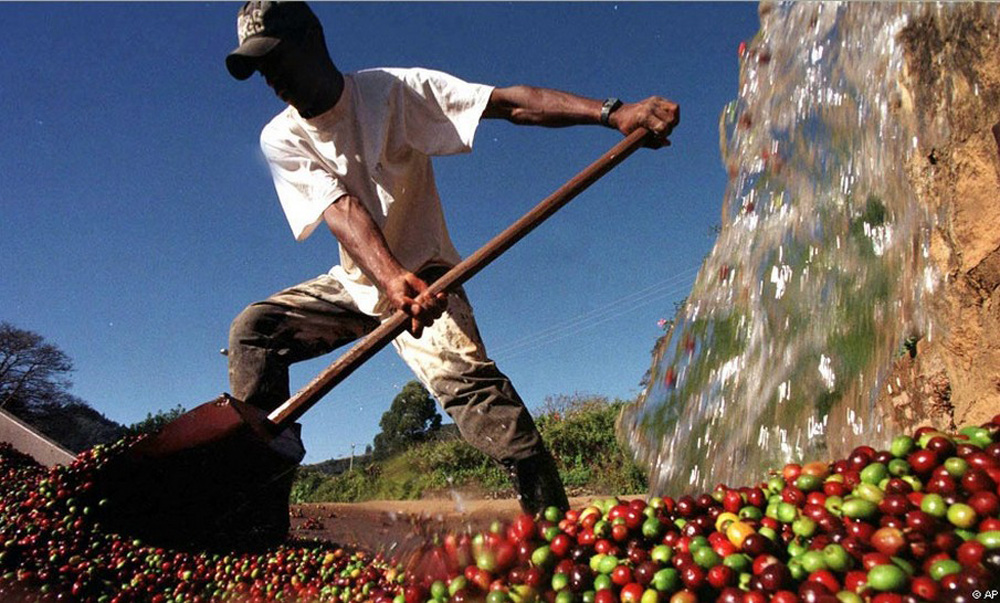
Cuban coffee is entirely hand-harvested. Workers pick the ripe cherries roughly every two weeks during the harvest season. During and after picking, they sort the cherries to remove underripe or damaged beans, ensuring only quality fruit moves forward.
Cuban producers use both washed and natural processing methods. The natural method involves drying the whole coffee cherry in the sun without fermentation, usually taking around four weeks. Washed processing, on the other hand, removes the fruit layer early, allowing more of the bean’s intrinsic flavors — often with a brighter, fruity complexity — to come through.
The Unique Cuban Approach to Roasting and Flavor
Cuban coffee culture strongly reflects traditional Arabic coffee principles. Roasters in Cuba follow strict control over the roasting curve to achieve a balance between deep, rich flavor and smooth drinkability. The goal is a cup that’s full-bodied and velvety, without the bitterness or harshness that can come from over-roasting. This focus on balance and tradition defines Cuban coffee’s distinct profile.
Frequently Asked Questions
When did coffee first arrive in Cuba?
Coffee was introduced to Cuba in 1748 from the Dominican Republic, marking the start of local cultivation.
Where in Cuba is the best coffee grown?
The highest quality Cuban coffee comes from the Central Mountains, particularly the region known as Crystal Mountain, which is rich in minerals and has ideal growing conditions.
How are coffee beans harvested in Cuba?
Cuban coffee cherries are picked entirely by hand, about every two weeks during the ripening period. Workers sort the cherries to remove unripe or defective beans before processing.
What coffee processing methods are used in Cuba?
Cuba employs both washed and natural processing. The washed method offers cleaner, fruitier notes, while the natural method results in a fuller, sweeter cup through extended sun drying.
What makes Crystal Mountain coffee special?
Crystal Mountain coffee is considered the finest Cuban coffee, grown in mineral-rich volcanic soil in the Central Mountains, contributing to its unique and highly regarded flavor profile.
How does Cuba control coffee quality?
The Cuban government manages coffee production, enforcing strict standards on harvesting, processing, and roasting to maintain consistent quality and traditional methods.
Recommended FrontStreet Beans for Cuban Coffee Fans
If you enjoy the balanced, medium-bodied profile typical of Cuban coffee, try FrontStreet’s Brazil Queen Manor (Yellow Bourbon, delicate floral and creamy notes with intense sweetness) or Jamaica Blue Mountain No.1 (classic balance of nuts, chocolate, and caramel from the Blue Mountains). For something fruitier yet clean, the Ethiopia Humbera offers bright citrus and berry tones through traditional sun-drying. All three highlight craftsmanship and origin character — qualities at the heart of Cuban coffee traditions. Freshly roasted within 5 days · Orders placed before 17:00 ship the same day · Next-day delivery across most of Guangdong Province.
FrontStreet Coffee is a long-established specialty coffee roaster in Guangzhou China, selling freshly roasted beans from its own farm in Yunnan as well as dozens of carefully selected single-origin beans from around the world for both pour-over and espresso. The products deliver consistently excellent quality and great value, with shipping within 24 hours. Guangzhou's FrontStreet Coffee shop is recommended by many coffee lovers, and the beans are now available online at the Tmall 。
Important Notice :
前街咖啡 FrontStreet Coffee has moved to new addredd:
FrontStreet Coffee Address: 315,Donghua East Road,GuangZhou
Tel:020 38364473