
"Cubans"
384 article(s) found

Cuban Coffee Making Process
Pay attention to the coffee comment (Weixin Official Accounts vdailycom ) and find that the process of making Cuban coffee in a beautiful coffee shop should be brewed by hand or American coffee machine. The water temperature should be below 85℃. The fire power of the competition style cooking method should not be too large and the time should not be too long. When you taste coffee, because it is more fragrant, you can put more milk, but less sugar.
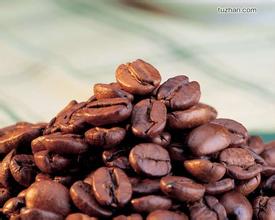
Cuban Crystal Mountain Coffee the latest coffee introduces unique flavor and full taste.
Crystal Mountain Coffee comes from the Crystal Mountain of Cuba, so it is called Cuban Crystal Mountain Coffee. Crystal Mountain Coffee is synonymous with top Cuban coffee, because this area not only grows coffee, but also produces quartz, crystal and other precious minerals. A prominent feature of Crystal Mountain Coffee is its large granule and bright green color of coffee beans. Its flavor and taste characteristics: full granules, uniform taste

With noble and tender Cuban crystal coffee, the introduction of fine coffee
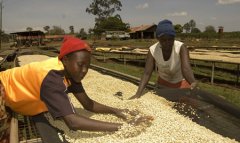
In Cuba, most of the coffee beans are picked by hand. Coffee beans are picked about every half a month during the ripening period. During or after picking, coffee beans are classified and those immature and bad beans are removed to ensure the quality of the coffee. Cubans usually treat coffee beans in two ways: 1, sun exposure and water washing. Sunbathing is the easiest.

The Cultural History of Fine Coffee the History of Cuban Coffee
In 1748, coffee was introduced into Cuba from Dominica, and Cuba began to grow coffee ever since. With fertile land, humid climate and abundant Rain Water, Cuba can be called a natural treasure land for coffee cultivation. The suitable natural conditions provide a favorable natural environment for the growth of coffee trees, and coffee is well planted and developed here. In Cuba, the cultivation of coffee is regulated by the state. Cuba is the most

The History and Culture of Coffee the History of Cuban Coffee
In 1748, coffee was introduced into Cuba from Dominica, and Cuba began to grow coffee ever since. With fertile land, humid climate and abundant Rain Water, Cuba can be called a natural treasure land for coffee cultivation. The suitable natural conditions provide a favorable natural environment for the growth of coffee trees, and coffee is well planted and developed here. In Cuba, the cultivation of coffee is regulated by the state. Cuba is the most

Cuba Crystal Mountain Coffee Bean Grind Scale Variety Processing Method Taste Manor Introduction
Coffee was introduced to Cuba from Domica in 1748, and Cuba has since grown coffee. The fertile soil, humid climate and abundant rainfall in Cuba make it a natural treasure for coffee cultivation. Suitable natural conditions provide a favorable natural environment for the growth of coffee trees, where coffee is well planted and developed. In Cuba, coffee cultivation is regulated by the State. Cuba is the best.
Cuban Crystal Mountain Fine Coffee the taste of Cuban Crystal Mountain Coffee
In 1748, coffee was introduced into Cuba from Dominica, and Cuba began to grow coffee ever since. With fertile land, humid climate and abundant Rain Water, Cuba can be called a natural treasure land for coffee cultivation. The suitable natural conditions provide a favorable natural environment for the growth of coffee trees, and coffee is well planted and developed here. In Cuba, the cultivation of coffee is regulated by the state. Cuba is the most

General knowledge of Fine Coffee Culture History and Culture of Cuban Coffee
In 1748, coffee was introduced into Cuba from Dominica, and Cuba began to grow coffee ever since. With fertile land, humid climate and abundant Rain Water, Cuba can be called a natural treasure land for coffee cultivation. The suitable natural conditions provide a favorable natural environment for the growth of coffee trees, and coffee is well planted and developed here. In Cuba, the cultivation of coffee is regulated by the state. Cuba is the most

Coffee common sense Crystal Mountain Coffee is synonymous with Top Cuban Coffee
In 1748, coffee was introduced into Cuba from Dominica, and Cuba began to grow coffee ever since. With fertile land, humid climate and abundant Rain Water, Cuba can be called a natural treasure land for coffee cultivation. The suitable natural conditions provide a favorable natural environment for the growth of coffee trees, and coffee is well planted and developed here. In Cuba, the cultivation of coffee is regulated by the state. Cuba is the most

General knowledge of Coffee Culture the History and Culture of Cuban Coffee
In 1748, coffee was introduced into Cuba from Dominica, and Cuba began to grow coffee ever since. With fertile land, humid climate and abundant Rain Water, Cuba can be called a natural treasure land for coffee cultivation. The suitable natural conditions provide a favorable natural environment for the growth of coffee trees, and coffee is well planted and developed here. In Cuba, the cultivation of coffee is regulated by the state. Cuba is the most

Coffee common sense Crystal Mountain Coffee is synonymous with Top Cuban Coffee
In 1748, coffee was introduced into Cuba from Dominica, and Cuba began to grow coffee ever since. With fertile land, humid climate and abundant Rain Water, Cuba can be called a natural treasure land for coffee cultivation. The suitable natural conditions provide a favorable natural environment for the growth of coffee trees, and coffee is well planted and developed here. In Cuba, the cultivation of coffee is regulated by the state. Cuba is the most

Introduction of Cuban Crystal Coffee based on its unique traditional practice
Cuba is like a crocodile crouching in the Caribbean, her tail brushing right on the Tropic of Cancer. Cubans have always been known for their enthusiasm, but they are also very sincere and stubborn. The same is true of their coffee, which has always been carried out in accordance with Arab coffee washing standards, and they have always adhered to their unique traditional methods of making coffee, which is extremely extreme in controlling roasting.

Top Coffee recommendation-Cuban Crystal Mountain Coffee History of Cuban Crystal Mountain Coffee
In 1748, coffee was introduced into Cuba from Dominica, and Cuba began to grow coffee ever since. With fertile land, humid climate and abundant Rain Water, Cuba can be called a natural treasure land for coffee cultivation. The suitable natural conditions provide a favorable natural environment for the growth of coffee trees, and coffee is well planted and developed here. In Cuba, the cultivation of coffee is regulated by the state. Cuba is the most

Cuban Crystal Coffee grown in Haiti-Cuban Coffee producing country
Cuban Crystal Coffee in the early 19th century, a French colonist named ConstantinRousseau, who grew coffee in Haiti, fled to Cuba because of the country's massive slave uprising. After arriving in Cuba, he returned to his old job and set up a coffee garden in the GranPiedra area of Santiago province. This guy has 30 slaves, including a beautiful female slave named MariaIsabel.
Boutique coffee beans
The largest island in the Caribbean, the island is long and narrow, reaching 1200KM from east to west, and high mountains are concentrated at both ends of the east and west. It belongs to tropical climate. The language is Spanish and English is also very common. It's a communist country. The only country in the world where unemployment is strictly prohibited by law. Coffee Coffee Coffee Culture of Cubans was introduced by French immigrants, and early coffee was already popular in Cuban upper-class society.

Synonym for Top Cuban Coffee A brief introduction to the Market Price of Crystal Mountain Coffee
Tanning is the simplest, cheapest and most traditional way to treat coffee, which is to let the coffee fruit dry in the sun but not ferment. The general drying time is about four weeks. The washing rule makes the aroma of the fruit more into the coffee beans, thus adding a coarse fruit aroma to the coffee. Cuba is like a crocodile crouching in the Caribbean, her tail just brushing.

Introduction of Cuba Crystal Mountain Coffee Grinding characteristics Variety description Manor
Cuba is like a crocodile crouching in the Caribbean, her tail brushing right on the Tropic of Cancer. Cubans have always been known for their enthusiasm, but they are also very sincere and stubborn. The same is true of their coffee, which has always been carried out in accordance with Arab coffee washing standards, and they have always followed their unique traditional methods to make coffee, which has been extremely controlled by roasting.

Crystal Mountain Coffee is synonymous with Top Cuban Coffee. Crystal Mountain Coffee quality Crystal Mountain Coffee
In 1748, coffee was introduced into Cuba from Dominica, and Cuba began to grow coffee ever since. With fertile land, humid climate and abundant Rain Water, Cuba can be called a natural treasure land for coffee cultivation. The suitable natural conditions provide a favorable natural environment for the growth of coffee trees, and coffee is well planted and developed here. In Cuba, the cultivation of coffee is regulated by the state. Cuba is the most

Cuba Caribbean Coffee Bean Flavor Taste Aroma Description
Cubans usually treat coffee beans in two ways: sunning and washing. Solarization is the simplest, cheapest, and most traditional way to treat coffee. It involves drying the coffee fruit in the sun, but not fermenting it. The average drying time is about four weeks. The washing law allows the aroma of fruit to enter the coffee beans more, adding a rough fruit aroma to the coffee. Currently,

The latest introduction of Cuban Crystal Mountain Coffee Fine Coffee
Crystal Mountain Coffee comes from the Crystal Mountain of Cuba, so it is called Cuban Crystal Mountain Coffee. Crystal Mountain Coffee is synonymous with top Cuban coffee, because this area not only grows coffee, but also produces quartz, crystal and other precious minerals. A prominent feature of Crystal Mountain Coffee is its large granule and bright green color of coffee beans. Its flavor and taste characteristics: full granules, uniform taste