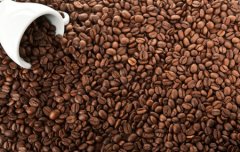
What Is Cuban Crystal Mountain Coffee and How Does It Taste?
If you’ve ever wondered what makes Cuban coffee so unique — especially the fabled ‘Crystal Mountain’ beans — you’re not alone. This isn’t just another ‘exotic origin’ story. It’s about a tightly controlled, labor-intensive coffee tradition that’s survived decades of political and economic shifts. What does Cuban Crystal Mountain coffee really taste like, and why does it matter to specialty coffee drinkers?
In short: Cuban Crystal Mountain coffee is a high-quality, handpicked single origin grown in Cuba’s mineral-rich Central Mountains. It’s processed either via washed or natural methods, yields a medium-bodied cup with clean sweetness and mild acidity, and is renowned for its smooth, non-bitter profile. Most production is state-managed, with harvests occurring roughly every two weeks during peak ripeness.
The Origins of Cuban Coffee
Coffee first arrived in Cuba in 1748, introduced from the neighboring Dominican Republic. The island’s fertile volcanic soils, high humidity, and abundant rainfall created near-perfect conditions for coffee cultivation. These environmental factors helped establish Cuba as a significant coffee-growing region in the Caribbean.
The most celebrated coffee in Cuba comes from the country’s Central Mountains. This region is not only ideal for coffee but also rich in valuable minerals like quartz and crystal — hence the area’s nickname, ‘Crystal Mountain.’ Today, ‘Cuban Crystal Mountain coffee’ is synonymous with the nation’s finest specialty-grade beans.
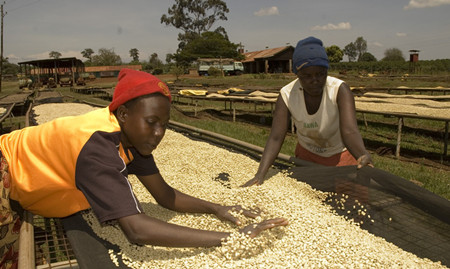
How Cuban Coffee Is Grown and Harvested
Coffee farming in Cuba is entirely state-regulated. The country’s best coffee farms are concentrated in the Central Mountains, where elevation, climate, and soil combine to produce high-quality Arabica beans. Harvesting is done manually, not mechanically.
Farmers pick ripe coffee cherries roughly every two weeks during the harvest window. This selective picking helps ensure only mature, high-quality beans are collected. After harvest, workers sort the cherries to remove underripe or damaged fruit — a crucial step in maintaining cup quality.
Processing Methods: Washed and Natural
Cuban coffee producers use two primary processing methods: washed (wet) and natural (dry). Each impacts flavor differently:
- Washed Process: Involves removing the coffee cherry’s skin and pulp before fermenting and washing the beans. This highlights a cleaner, brighter cup with subtle fruity notes and a more refined acidity. The process is said to enhance the coffee’s “rough-edged” fruit character.
- Natural Process: Whole coffee cherries are dried in the sun without removing the pulp. This traditional method takes around four weeks and often results in a sweeter, fuller-bodied cup with more pronounced sweetness and body.
The washed method is considered more labor-intensive but is favored for producing a cleaner-tasting cup. The natural method is simpler and less expensive, contributing to the classic Cuban coffee profile.
Flavor Profile of Cuban Crystal Mountain Coffee
Cuban Crystal Mountain coffee is known for its balanced cup. Expect a medium body, low to moderate acidity, and a clean, smooth mouthfeel. The flavor tends toward mild sweetness with subtle nutty or caramel undertones. There is little to no bitterness, even in darker roasts.
The focus in Cuba’s coffee culture — especially for specialty beans like those from Crystal Mountain — is on preserving the coffee’s inherent qualities. Roasters exercise extreme control over roast levels to avoid over-roasting, which can mask origin character and introduce harsh, burnt tones. The goal is a rich, satisfying cup without excessive bitterness or acidity.
Why Cuban Coffee Stands Apart
Cuban coffee reflects a national tradition rooted in meticulous manual processes and strict quality oversight. The country’s approach to coffee production mirrors the precision of Arabic coffee methods, particularly in brewing and roasting discipline. Cuban growers focus on consistency, cup clarity, and a smooth drinking experience.
Despite economic challenges, Cuba maintains a commitment to traditional techniques — including careful fruit removal, selective picking, and controlled roasting. These practices help preserve the delicate flavors of its high-altitude beans, particularly those grown in the Crystal Mountain region.
Frequently Asked Questions
Where is Cuban Crystal Mountain coffee grown?
Cuban Crystal Mountain coffee is grown in the Central Mountains of Cuba, a region known for its fertile soils, high elevation, and mineral-rich environment. The area is part of Cuba’s primary specialty coffee-growing zone and is referred to as ‘Crystal Mountain’ due to its deposits of quartz and crystals.
How is Cuban coffee processed?
Cuban coffee is processed using either the washed (wet) method or the natural (dry) method. The washed method produces a cleaner, brighter cup, while the natural method yields a sweeter, fruitier, and fuller-bodied coffee. Both are done manually with careful sorting and drying.
What does Cuban Crystal Mountain coffee taste like?
Cuban Crystal Mountain coffee typically has a medium body, mild acidity, and a clean, smooth flavor. Expect subtle sweetness, light nuttiness, and low bitterness. The cup is well-balanced, with no overpowering acidic or roasted notes.
Is Cuban coffee still produced under state control?
Yes, coffee production in Cuba is managed by the state. The government oversees farming, harvesting, and processing to maintain quality standards, especially for premium beans from regions like the Central Mountains.
What roast level is best for Cuban Crystal Mountain coffee?
Cuban Crystal Mountain coffee is best enjoyed at a medium roast level. Roasters aim to highlight the bean’s inherent sweetness and balance without introducing excessive bitterness. Over-roasting is avoided to preserve the clean, smooth profile typical of Cuban specialty coffees.
Can I buy Cuban Crystal Mountain coffee outside Cuba?
Due to trade restrictions and limited exports, authentic Cuban Crystal Mountain coffee is difficult to find internationally. When available, it is usually sold as a specialty green bean or limited-edition offering, often in specialty coffee markets or through import-focused roasters.
Recommended FrontStreet Beans for Crystal Mountain Style
For fans of Cuban Crystal Mountain coffee’s smooth, sweet, and balanced profile, try FrontStreet’s BrazilBourbon (Red Bourbon from Hilarion Estate). It offers a medium-bodied cup with soft acidity, creamy texture, and notes of nuts and caramel — ideal for those who enjoy a clean, non-bitter cup. Also consider the ColombiaSidra (Sidra from Boundary Line Estate), which brings juicy sweetness and layered tropical fruits, or the IndonesiaLintong Mandheling (Lintong Mandheling), known for its full body and earthy spice notes. All three showcase different takes on balanced, medium-profile coffees. Freshly roasted within 5 days · Orders placed before 17:00 ship the same day · Next-day delivery across most of Guangdong Province.
FrontStreet Coffee is a long-established specialty coffee roaster in Guangzhou China, selling freshly roasted beans from its own farm in Yunnan as well as dozens of carefully selected single-origin beans from around the world for both pour-over and espresso. The products deliver consistently excellent quality and great value, with shipping within 24 hours. Guangzhou's FrontStreet Coffee shop is recommended by many coffee lovers, and the beans are now available online at the Tmall 。
Important Notice :
前街咖啡 FrontStreet Coffee has moved to new addredd:
FrontStreet Coffee Address: 315,Donghua East Road,GuangZhou
Tel:020 38364473