
"Egypt"
824 article(s) found

Century-old cafes witness the future of Egypt and Cairo
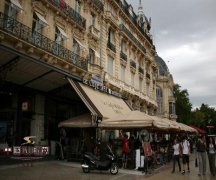
Red-brown wooden doors and windows, neat and warm red and white checked tablecloths were built at Riche Cafe in 1908 and have spent 103 years in Tahrir Square in the center of Cairo, Egypt. In the turmoil before Egypt's parliamentary elections, the formerly bustling city center was once again depressed, and most shops were closed again, except for the cafe on the street corner, whose windows emitted soft yellow lights.
Century-old cafes witness the future of Egypt and Cairo
Red-brown wooden doors and windows, neat and warm red and white checked tablecloths were built at Riche Cafe in 1908 and have spent 103 years in Tahrir Square in the center of Cairo, Egypt. In the turmoil before Egypt's parliamentary elections, the formerly bustling city center was once again depressed, and most shops were closed again, except for the cafe on the street corner, whose windows emitted soft yellow lights.

Cafes that witness the next hundred years of history in Egypt and Cairo
Red-brown wooden doors and windows, neat and warm red and white checked tablecloths were built at Riche Cafe in 1908 and have spent 103 years in Tahrir Square in the center of Cairo, Egypt. In the turmoil before Egypt's parliamentary elections, the formerly bustling city center was once again depressed, and most shops were closed again, except for the cafe on the street corner, whose windows emitted soft yellow lights.
The century-old cafe witnessed the future of Egypt and Cairo
Red-brown wooden doors and windows, neat and warm red and white checked tablecloths were built at Riche Cafe in 1908 and have spent 103 years in Tahrir Square in the center of Cairo, Egypt. In the turmoil before Egypt's parliamentary elections, the formerly bustling city center was once again depressed, and most shops were closed again, except for the cafe on the street corner, whose windows emitted soft yellow lights.
Cafes with a history of 20 years witness the future of Egypt and Cairo
Red-brown wooden doors and windows, neat and warm red and white checked tablecloths were built at Riche Cafe in 1908 and have spent 103 years in Tahrir Square in the center of Cairo, Egypt. In the turmoil before Egypt's parliamentary elections, the formerly bustling city center was once again depressed, and most shops were closed again, except for the cafe on the street corner, whose windows emitted soft yellow lights.

China-Egypt Coffee Industry Exchange activity successfully held in Beijing
Professional barista exchange please follow the coffee workshop (Wechat official account cafe_style) on the morning of June 20th, the Circulation Industry Promotion Center of the Ministry of Commerce and the Ethiopian Embassy in China jointly hosted the Sino-Egyptian coffee industry exchange event successfully held in the Ethiopian Embassy in China. Zhou Qiang, Deputy Director of the Circulation Industry Promotion Center of the Ministry of Commerce, Minister Counsellor of Ethiopia to China, Asaye Alemaiyou, Business

The famous boutique coffee area in the south of Egypt, Sidamo coffee producing area.
According to the above four different modes of production, Ethiopian coffee can be divided into nine major coffee producing areas, including five boutique coffee areas: Sidamo, Yegashefi, Harald, Lim and Lekampu. and four general commercial bean producing areas: Gemma, Irugbo, Tibby and Bekaa. The sun or water washing methods are used in each district, and different treatment methods also affect the flavor.
Egyptian cafes smoke hookah
Illustrious background: if you want to know Egypt, you have to go to a cafe. Modern statistics show that there is about one coffee shop for every 250 people in Cairo. For the people of Cairo, the cafe is not only the center of public opinion like some Western clubs, but also the meeting place of three religions and nine streams. The Fesavi Cafe is the oldest and most famous cafe in Cairo. It is located in the famous old city of Cairo.

Poetic prodigy Lambo Qiwen went to Egypt to do coffee business
Ethiopia is dominated by wild coffee forests. If you want to chew coffee fruit or drink coffee, you can pick it in the forest. Therefore, there is no coffee cultivation industry in ancient Ethiopia. Yemen had a large-scale coffee cultivation industry and coffee trade with Europe as early as the 15th and 16th centuries, and Ethiopia had no record of coffee trade until the 19th century. In 1838, Ethiopia passed through the Red Sea port.

The god of poetry, Tong Lanbo, abandoned his articles and went to Egypt to do coffee business, coffee culture.
Ethiopia is mainly a wild coffee forest, want to chew coffee fruit or drink coffee, go into the forest to pick, so there was no coffee cultivation in ancient Ethiopia. Yemen had a large-scale coffee cultivation industry and coffee trade with Europe as early as the 15th and 16th centuries, and Ethiopia did not have a record of coffee trade until the 19th century. In 1838, Ethiopia passed through the port of the Red Sea

The god of poetry, Lambo, abandoned the article to do coffee business in Egypt, boutique coffee beans, Ethiopian flavor.
Ethiopia is mainly a wild coffee forest, want to chew coffee fruit or drink coffee, go into the forest to pick, so there was no coffee cultivation in ancient Ethiopia. Yemen had a large-scale coffee cultivation industry and coffee trade with Europe as early as the 15th and 16th centuries, and Ethiopia did not have a record of coffee trade until the 19th century. In 1838, Ethiopia passed through the port of the Red Sea
"Mother of the City" Cairo: authentic life begins with coffee
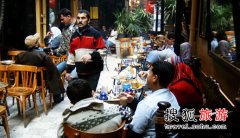
Summary: Cairo, the capital of Egypt, across the Nile, majestic and spectacular, is the political, economic and commercial center of the entire Middle East. Taste, a strong smell of coffee mixed with some spices can not help but sigh, here is the taste of Cairo. Summary of Western-style Cafe for Foreign use: authentic Cafe Life in Cairo
The role of Egyptian cafes in history
In the turmoil before Egypt's parliamentary elections, the formerly bustling city center was once again depressed, and most shops closed again, except for the cafe on the corner, whose windows glowed soft yellow. It is here that Najib Mahafuz, a longtime customer of the Nobel Prize for Literature, drinks coffee with his literary friends, observes life, talks about the current situation, and witnesses the ups and downs of history.

Ethiopia Coffee bulk Commercial Bean producing area: Gima 06
Altitude: 1350-1850 m forest / semi-forest system harvest time: November-January of the following year Gima is located in the southwestern highlands of Egypt (at the junction of Kaffa and Illubabor provinces), with an elevation of 4400-6000 feet, it is the largest coffee-producing area in Egypt, accounting for 3% of exports. The fine JIMA washed in water does not have the orange fragrance and flower rhyme of Yega Xuefei, but the taste spectrum is also quite clean and clear.

The role of Egyptian Cafe in the History of Coffee Culture
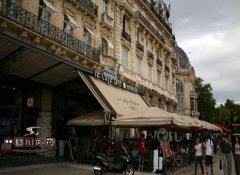
Red-brown wooden doors and windows, neat and warm red and white checked tablecloths were built at Riche Cafe in 1908 and have spent 103 years in Tahrir Square in the center of Cairo, Egypt. In the turmoil before Egypt's parliamentary elections, the formerly bustling city center was once again depressed, and most shops were closed again, except for the cafe on the street corner, whose windows emitted soft yellow lights.
The role of Egyptian Cafe in the Cultural History of Cafe
Red-brown wooden doors and windows, neat and warm red and white checked tablecloths were built at Riche Cafe in 1908 and have spent 103 years in Tahrir Square in the center of Cairo, Egypt. In the turmoil before Egypt's parliamentary elections, the formerly bustling city center was once again depressed, and most shops were closed again, except for the cafe on the street corner, whose windows emitted soft yellow lights.
The role of Egyptian Cafe in the Cultural History of Cafe
Red-brown wooden doors and windows, neat and warm red and white checked tablecloths were built at Riche Cafe in 1908 and have spent 103 years in Tahrir Square in the center of Cairo, Egypt. In the turmoil before Egypt's parliamentary elections, the formerly bustling city center was once again depressed, and most shops were closed again, except for the cafe on the street corner, whose windows emitted soft yellow lights.
The role of Egyptian Cafe in the History of Coffee Culture
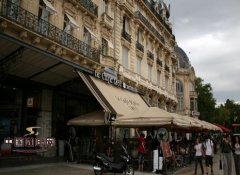
Red-brown wooden doors and windows, neat and warm red and white checked tablecloths were built at Riche Cafe in 1908 and have spent 103 years in Tahrir Square in the center of Cairo, Egypt. In the turmoil before Egypt's parliamentary elections, the formerly bustling city center was once again depressed, and most shops were closed again, except for the cafe on the street corner, whose windows emitted soft yellow lights.

Coffee dissemination chronology
Arab (eleventh century) Egypt, Syria (13th century) Damascus (16th century) Europe (17th century) the earliest people who planned to grow and eat coffee were Arabs. At the beginning of the eleventh century, people in the Arab region boiled coffee into soup or dried it and then boiled it as stomach medicine. Because of the strict Muslim precepts and forbidden to drink alcohol, Muslims
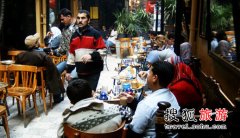
"Mother of the City" Cairo: authentic life begins with coffee
Summary: Cairo, the capital of Egypt, across the Nile, majestic and spectacular, is the political, economic and commercial center of the entire Middle East. Taste, a strong smell of coffee mixed with some spices can not help but sigh, here is the taste of Cairo. Summary of Western-style Cafe for Foreign use: authentic Cafe Life in Cairo