
"Ethiopia"
20463 article(s) found

Export of Yerqin Coffee from Ethiopia Coffee Manor
In Ethiopia, the grading and quality control system of coffee is divided into three levels: producer, regional and national. All coffee is inspected by local inspection agencies before leaving the country of origin, and then re-tested at the coffee inspection and grading centers in Addis and Diredawa to determine its quality grade. Coffee is graded before auction and sale, for all involved in production, acquisition,

What Ethiopian coffee is grown in Ethiopia Manor?
The coffee-producing region of Ethiopia is divided into east and west parts by the East African Rift Valley, with lakes, volcanoes, lowlands, plateaus and woodlands interlaced, each evolving. Ethiopia has the most diverse coffee ecosystem in the world (forest coffee, semi-forest coffee, pastoral coffee and plantation coffee), which also preserves its rich Arabica genes. The eastern half is mostly plateaus, coffee beans.

Having obvious floral and fruity aromas is Ethiopia's unique coffee flavor. Know Ethiopia's best coffee brand.
More information on coffee beans Please follow Coffee Workshop (official Wechat account cafe_style) Ethiopia has an almost legendary status, not only because it is the birthplace of Arabica coffee, but also because it is different from most coffee-growing countries, coffee is not a plant that colonizes an alien cash crop. Coffee is grown, processed and consumed locally.

Does Ethiopia's single bean taste good? the planting and processing of Ethiopia's single bean
Communication of professional baristas Please follow the coffee workshop (Wechat official account cafe_style) at present, there are two main indicators in Ethiopia's coffee grading and quality control system: visual inspection and cup evaluation, inspection items include the color, cleanliness, origin, taste and characteristics of coffee beans. The export rating is marked with a simple number, the best washed coffee is grade 5, and the best sun-cured coffee

Boutique coffee beans common sense Ethiopian mocha coffee beans
Ethiopia (Ethiopia) is one of the major producers of Arab coffee beans in Africa, producing the best Arab mocha beans in the world. It is said that coffee beans were first discovered by shepherds in the Kafa region of Ethiopia, and the name of coffee evolved from Kafa, so Ethiopia is still the hometown of coffee. Production and processing of coffee beans in Ethiopia
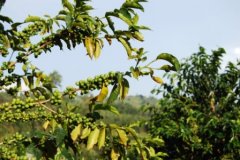
The birthplace of coffee-Ethiopian fine coffee
Ethiopia (Ethiopia) The birthplace of coffee-Ethiopian coffee tree originated in Ethiopia (Ethiopia), it was originally a wild plant here, coffee this name comes from Ethiopia's small town Kaffa (Kaffa). In fact, many coffee trees in Ethiopia are still wild plants, and the coffee grown on this coffee tree is full and slightly alcoholic.

Ethiopia, the producer of world boutique coffee.
The birthplace of coffee-Ethiopia. The coffee tree originated in Ethiopia, which was originally a wild plant here, and the name coffee comes from the Ethiopian town of Kaffa. In fact, many coffee trees in Ethiopia are still wild plants, and the coffee grown on this coffee tree is full-grained and slightly alcoholic. Humans may have lived as early as the 9th century

What kind of coffee is unique to Ethiopia? what are the better brands of Ethiopian coffee?
Professional Coffee knowledge Exchange more information on coffee beans Please follow the coffee workshop (Wechat official account cafe_style) Ethiopia has been providing some of the best evaluated single quality coffee beans in the world. Generally speaking, Ethiopian coffee is famous for its fruit wine and obvious acidity. The average altitude of planting environment in Ethiopia is 1500-2200m, and the harvest time is November-2.

Introduction to Grinding scale of Coffee Bean Flavor description treatment method in Shaqiso producing area of Ethiopia
The grinding scale of coffee bean flavor description method in Xachiso producing area of Ethiopia introduces that Sidamo of Ethiopia is a type of single origin, growing in Arabica coffee in Sidamo province of Ethiopia. Like coffee in most African countries, Ethiopian Sidamo is characterized by small gray beans, but characterized by its rich, spicy, wine or chocolate-like taste and floral aroma.

An introduction to the fresh and bright taste of Ethiopia's Yegashifi Adoudo Coffee Manor.
Portugal and the Ottoman Empire invaded one after another in the 16th century. British troops invaded Ethiopia in 1867 and Sudanese Mahdi troops invaded in 1887. In 1889, Mennelik II became emperor, unified the country, established the capital Addis Ababa, and established the territory of modern Ethiopia. In 1890, Italy invaded, squeezed out British power and declared Ethiopia a sanctuary. 1896

The Origin of Coffee trees in Ethiopia
The birthplace of coffee-Ethiopia. The coffee tree originated in Ethiopia, which was originally a wild plant here, and the name coffee comes from the Ethiopian town of Kaffa. In fact, many coffee trees in Ethiopia are still wild plants, and the coffee grown on this coffee tree is full-grained and slightly alcoholic. Humans may have been in the 9th century.

Characteristics of Ethiopian sun-dried coffee beans? Ethiopia Kafa Forest Coffee Flavor
Professional coffee knowledge exchange more coffee bean information please pay attention to the coffee workshop (Wechat official account cafe_style) the characteristics of sun-cured coffee beans in Ethiopian coffee producing areas? What are the flavor and taste characteristics of Ethiopian Kafa Forest Coffee? Many people believe that Ethiopia is the birthplace of coffee and was first found to grow in the ancient Abyssinia of Abyssinia.

Alcohol-rich Coffee Flavor description and Grinding degree treatment in Xida Moshachiso producing area of Ethiopia
The coffee producing areas of Ethiopia are Sidamo, Harald and Sidamo, Harrar and Yirgacheffe. Sidamo and Harrar are provinces and divisions. Sidamo is located in the south of Ethiopia bordering Kenya, and Harrar borders Somalia in the east of Ethiopia. Although Yirgacheffe is a community in the Sidamo region, due to soil composition and water content and other reasons.

Introduction to the flavor and taste characteristics of coffee from Xidamo Chiso producing area of Ethiopia
In July 1991, EGF hosted a national conference with the participation of more than 20 political and ethnic organizations. The meeting adopted the Transitional Charter and elected an 87-member House of Representatives, with EGF Chairman Meles Zenawi as President of the Transitional Government and President of the House of Representatives. A transitional government was established. On May 24, 1993, Eritrea (formerly the province of Eritrea, Ethiopia) adopted

Ethiopia Wonsho small Farmer Coffee introduces the coffee producing area of Guji, Ethiopia
For more information on coffee beans, please follow the Coffee Workshop (Wechat official account cafe_style). The Guji producing area of southern Ethiopia is next to the Sidamo and Gedeo districts and lies across towering mountains, highlands, highlands, valleys and plains with diverse topography. The geology of this area belongs to volcanic soil with rich nutrients and good drainage.
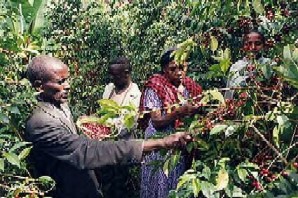
World boutique Coffee Manor beans: Yega Snow Flavor (part two) Wild Flavor in Ethiopia
[product name]: Ethiopia Ethiopia Yirgacheffe [quality rating]: WP Grade 2 [baking]: recommended moderate baking (Medium Roast or City Roast) [grade]: excellent [granule]: ★ full [acidity]: ★★★★ slightly sour, dark chocolate aftertaste [balance]: ★★★★ is very stable
Coffee beans from Ethiopia
Ethiopia (Ethiopia) is one of the major producers of Arabica coffee beans in Africa and produces the best Arabica mocha beans in the world. It is said that coffee beans were first discovered by shepherds in the Kafa region of Ethiopia, and the name of coffee evolved from Kafa, so Ethiopia is still the hometown of coffee. Production and processing of coffee beans Ethiopia
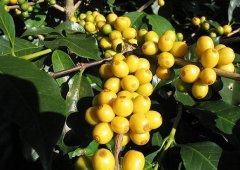
A brief introduction to the Origin and Development of Flower-scented Apricot Coffee beans in Ethiopia
Ethiopia grows coffee in different climatic zones, so it has more than 140 farm varieties, and fresh coffee is produced all the year round. The quality of Ethiopian coffee varies according to different elevations and regional ecological environment. The Harar coffee in the southeast highland is a typical Muha coffee with a strong flavor; the coffee produced in the southwest Wollega has a rich fruity flavor; Limu coffee

Ethiopia-Coffee Origin, producing areas, characteristics, introduction
Grade of Ethiopian coffee: Ethiopian washed coffee Yega Chuefei G1 G2 Sidamo (Yirgacheffe, Sidamo) has the highest grades 2 and 3 (G2, G3), while sun-processed coffee in eastern Ethiopia is mostly grade 4 or 5 (G4, G5). In many cases, level 4 coffee is marked as level 5 in order to reduce taxes. At present, the classification is not uniform and there are

Flavor description of Ethiopian Coffee Manor introduction of taste varieties by grindability treatment
In December 1994, the Constitution of the Federal Democratic Republic of Ethiopia was formulated. According to the Constitution, Ethiopia will implement a federal system and a parliamentary cabinet system after the general election for a term of five years. After the national election in May 1995, the Federal Democratic Republic of Ethiopia was established on August 22, and Meles became prime minister in her capacity as chairman of the majority party of the people's House of Representatives. On May 14, 2000, Ethiopia held a national meeting