
"Ethiopia"
20463 article(s) found
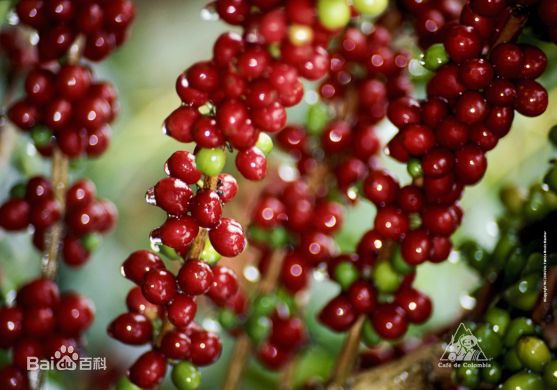
90 + Ethiopia, Wellega (Waliga) and Sidama (Hidamo) producing areas
Ninety Plus Nekisse N2 L12 Ethiopia, amazing peach flavor! June Ma / November 20, 2013 Nekisse N2 L12 Ethiopia Nekisse N2 Taste Profile Nekisse N2 Taste Profile name: in 2009, this coffee was named after Nectar from Shakisso, meaning that this coffee looks like it came from Ethiopia.

Ethiopia Yega Sheffield Coffee Bean grows Raw Bean G2 Yega Chefe
Ethiopia has the longest history in the world, not only in coffee production and drinking, but also in the world. Most of the production is exported to advanced countries, and unlike other coffee-producing countries, 50% of the coffee produced in Ethiopia is consumed domestically. Nevertheless, more than 60% of Ethiopia's total foreign currency exports still come from the coffee trade, which is enough to replace

Description of the taste of Yega Xuefei Coffee from Ethiopia
Professional coffee knowledge exchange more coffee bean information please follow the front street of the coffee workshop (Wechat official account cafe_style)-Yega Xuefei taste describes Ethiopia as a country in Africa and a world-renowned coffee producer. Ethiopia is a country with an ancient history, and the origin of coffee trees is Ethiopia. Ethiopia has outstanding

Introduction to the Flavor and Taste of Coffee in Xidamo Shachiso area of Ethiopia
Ethiopia is rectangular, with a ratio of length to width of 3:2. From top to bottom, it is composed of green, yellow and red parallel equal horizontal rectangles, with the national emblem in the middle of the flag. Since the end of the 19th century, Ethiopia began to use the green, yellow and red cross-striped national flag. In modern history, Ethiopia is the first African country to join the forest of free nations. [8] to this century

Introduction to the Manor characteristics of the Coffee Bean Flavor and Taste production area of G1 Sidamotad Manor in Ethiopia
Ethiopia has two of the best producing areas, Yiragcheffe and Sidamo. Sidamo is located in a plateau region south of Ethiopia. Sidamo has a balanced acidity and moderate consistency. In Ethiopia, people usually have a cup of mocha coffee for breakfast to replenish the spirit and vitality of the day. As Ethiopia's classification system is still very backward,

A brief introduction to the cultivation of Fine Coffee in Xidamo Shaqiso, Ethiopia, Climate and altitude
It is worth mentioning that most of the coffee in Central and South America is imported, but Ethiopia is a rare native place, and there are countless native wild varieties that have not yet been discovered. Of the nine major coffee producing areas in Ethiopia, Hidamo and Yegashafi are the most outstanding. Yega Xuefei originally belongs to the sub-region of Hidamo, which is independent because of its special flavor. Rich and complex fruit aromas

World boutique coffee farm beans; Harald mocha (part 1) in Ethiopia has a delicate and rich taste
[product name]: Ethiopia Harald Mocha (Ethiopia Harar Mokha) [quality rating]: DP Grade 4 [baking]: recommended moderate baking (Medium Roast or City Roast) [grade]: excellent [granule]: ★ full [acidity]: ★★★★ slightly sour, dark chocolate aftertaste [balance]: ★★★★ is very stable

Wash native species Rosa / Geisha Coffee Flavor description Lot#94 batch in Rosa Village, Ethiopia
Professional barista exchanges please follow the coffee workshop (Wechat official account cafe_style) Ethiopia Rosa Village (geisha village) manor washing geisha Lot#94 (Ethiopia Gesha Village Coffee Estate Washed Geisha Lot#94) flavor description: caramel, lemon, peach blossom, floral tail, bright and rich tropical fruit aroma, ripe fruit aroma, orange

The birthplace of coffee in Ethiopia (Ethiopia)
Today, Ethiopia is an important coffee producer, with about 12 million people engaged in coffee production and a major exporter of Arab coffee beans in Africa. The high-quality coffee here is of excellent quality and is worth looking for. Various forms of coffee cultivation can be found in Ethiopia: from wild coffee forests and semi-developed land, to traditionally operated plots of land, to modern plantations
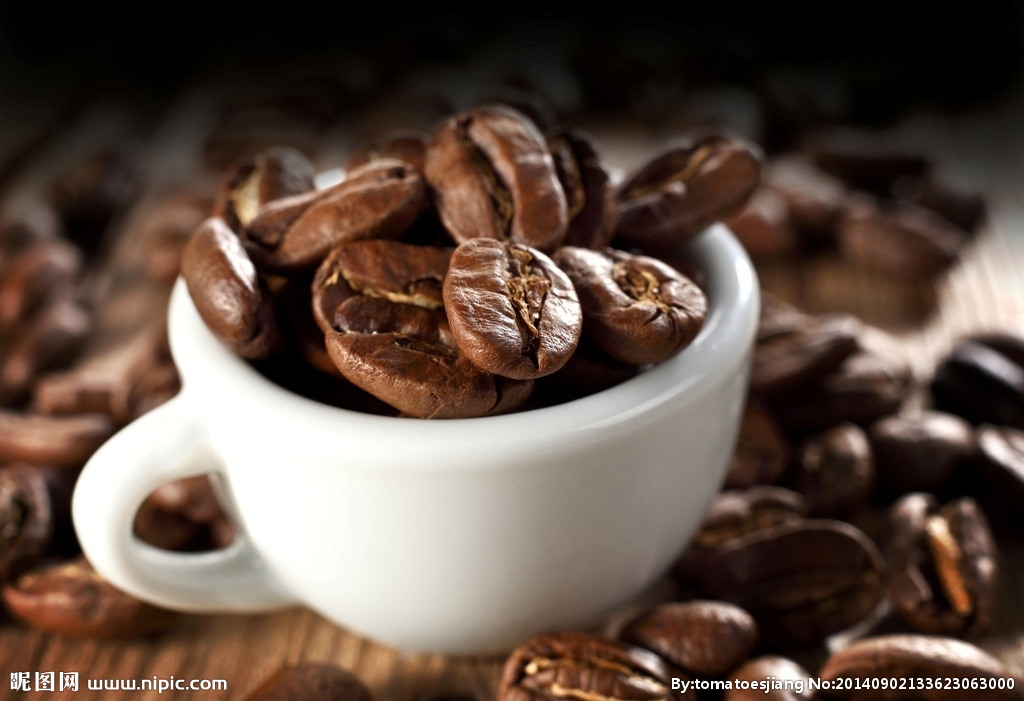
Variety characteristics of naturally fermented sun-cured Ethiopian coffee introduction to the flavor of fine coffee beans in the manor
Ethiopia has unique natural conditions suitable for growing all imaginable varieties of coffee. As a upland crop, Ethiopian coffee beans are mainly grown in areas between 1100 and 2300 meters above sea level, roughly distributed in southern Ethiopia. Deep soil, well drained soil, weakly acidic soil, laterite and soil are soft and contain

Taste characteristics of natural Ethiopian coffee fermented in the sun introduction to the flavor of fine coffee beans in the manor
Ethiopia has unique natural conditions suitable for growing all imaginable varieties of coffee. As a upland crop, Ethiopian coffee beans are mainly grown in areas between 1100 and 2300 meters above sea level, roughly distributed in southern Ethiopia. Deep soil, well drained soil, weakly acidic soil, laterite and soil are soft and contain

Introduction of Ted Manor in the Sidamo producing area of Ethiopia in the tropical forest at an altitude of 1600m to 1800m.
Ethiopia (Ethiopia, Ethiopia), latitude 6 to 9 degrees north. Tropical forests ranging from 34 to 40 degrees east longitude, 1600 to 1800 m above sea level. Ethiopia produces between 200000 and 250000 tons of coffee each year. Today, Ethiopia has become one of the largest coffee producers in the world, ranking 14th in the world and fourth in Africa. Essene

Coffee producing area of Ethiopia Arabica coffee beans
Coffee production in Ethiopia: many coffee trees in Ethiopia are still wild plants, and the coffee grown on this coffee tree is full of grains and slightly alcoholic. Today, Ethiopia is an important coffee producer and a major exporter of Arabian coffee beans in Africa. The high-quality coffee here is of excellent quality. A variety of coffee cultivation methods can be found in Ethiopia:

The birthplace of Arabica Arabica coffee beans-the story of Ethiopia producing area in Ethiopia
Professional coffee knowledge exchange more coffee bean information Please follow the coffee workshop (Wechat official account cafe_style) if you want to know coffee and its cultural story, you have to first understand the hometown of individual coffee Arabica coffee beans-Ethiopia, Qianjie Coffee in addition to bringing you carefully selected Ethiopian-Yega Sheffield G1 coffee beans and earbags

Ethiopia Yega Coffee Coffee producing area, Sidamo Province, Sidamo Gedeo District?
Today, Ethiopia is an important coffee producer, with about 12 million people engaged in coffee production and a major exporter of Arabica coffee beans in Africa. The high-quality coffee here is of excellent quality and is worth looking for. A variety of coffee cultivation methods can be found in Ethiopia: from wild coffee forests and semi-developed land
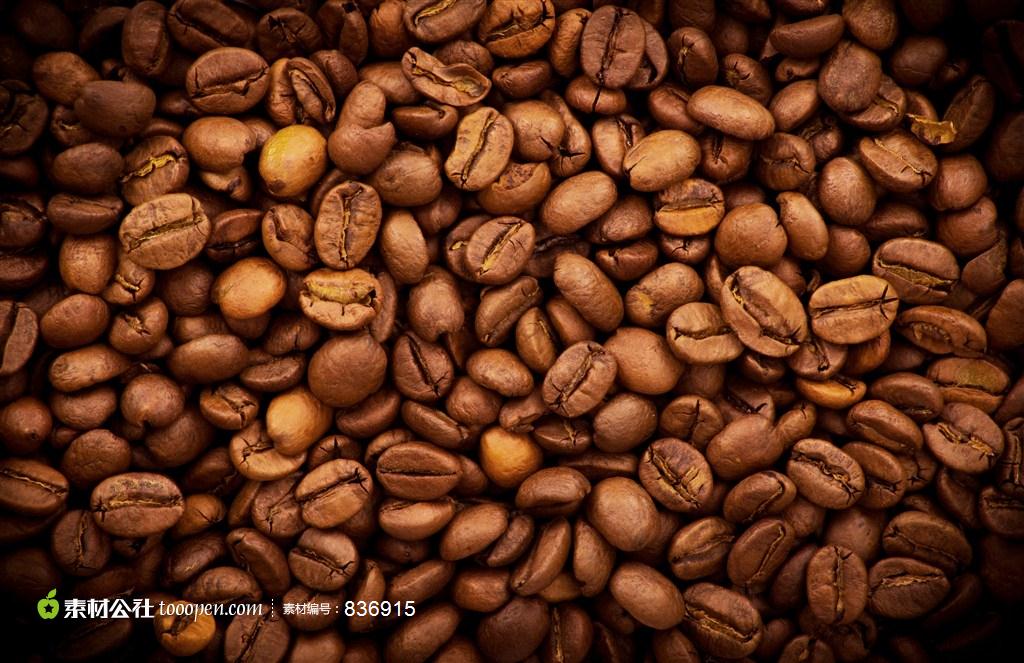
Introduction to the flavor of high-quality coffee beans in the manor characteristics of natural Ethiopian coffee fermented in the sun
Ethiopia has unique natural conditions suitable for growing all imaginable varieties of coffee. As a upland crop, Ethiopian coffee beans are mainly grown in areas between 1100 and 2300 meters above sea level, roughly distributed in southern Ethiopia. Deep soil, well drained soil, weakly acidic soil, laterite and soil are soft and contain

"acidity", "quality" and "flavor" of Ethiopia's Bancimagi Coffee Manor
Ethiopia is the birthplace of the famous Arabica coffee beans, and people have always maintained the tradition of harvesting wild coffee beans. The coffee garden at an altitude of more than 1500 meters has formed a unique coffee style after thousands of years of evolution and adaptation. Ethiopian coffee grown in the natural wild environment is called wilderness coffee, which retains the most primitive and natural taste of coffee beans.

Introduction to the Origin and Brand of Coffee Farmers' income in Ethiopia
According to Getachew Mengistie, director of Ethiopia's Bureau of intellectual property, farmers sell raw beans for $1.45 a pound, while Starbucks sells for $26 a pound in the United States, a price difference of 18 times. The reason is that Ethiopia does not know how to use intellectual property rights to create value for farmers.

2018 introduction to the flavor characteristics of Ethiopia sun Xidamo peach sweetheart Twakok peach cocoa coffee
Professional coffee knowledge exchange more coffee bean information please follow Coffee Workshop (Wechat official account cafe_style) 2018 Ethiopia Sidamo Natural Twakok G1 # 191 (30KG sacks with plastic inner bags) country Ethiopia (Ethiopia) producing area Oromia Region (Oromia Region) Sidamo Coffee producing area (Sidama Zone) 1900 2 above sea level

An introduction to the unique citrus coffee flavor and taste of Ethiopia's Yega Fischer Manor.
In December 1994, the Constitution of the Federal Democratic Republic of Ethiopia was formulated. According to the Constitution, Ethiopia will implement a federal system and a parliamentary cabinet system after the general election for a term of five years. After the national election in May 1995, the Federal Democratic Republic of Ethiopia was established on August 22, and Meles became prime minister in her capacity as chairman of the majority party of the people's House of Representatives. On May 14, 2000, Ethiopia held a national meeting