Ethiopian Coffee Beans: Origins, Flavors & Processing
Ever wondered why Ethiopian coffee tastes so different—why it’s often floral, fruity, or wine-like when other regions lean earthy or nutty? The answer lies deep in Ethiopia’s history, terroir, and centuries-old farming traditions. Whether you’re brewing a bright Yirgacheffe or a heavy-bodied Harar, understanding where your beans come from unlocks their full character.
Ethiopia is the birthplace of Arabica coffee, with its native varieties thriving across high-altitude regions. The country produces both washed and natural processed beans, grown at 1,100–2,300 meters, and exports some of the world’s most distinctive single-origin coffees.
Where Ethiopian Coffee Comes From
Ethiopia’s geography is tailor-made for coffee. The key regions—Harar, Limu, Djimma, Sidamo, Kaffa, Yirgacheffe (also called Yergacheffe), and Wellega—sit on plateaus with red, acidic, well-drained soils. Altitudes between 1,100 and 2,300 meters slow ripening, boosting sugar development and flavor complexity. Most coffee here is grown organically, thanks to traditional methods that avoid synthetic pesticides and rely on compost and shade.
How Ethiopian Coffee Is Grown and Harvested
Coffee grows once a year in Ethiopia. White flowers bloom in March–April, followed by fruit growth, with ripe red cherries ready for harvest from September to December. Export season peaks in November–December. Around 25% of Ethiopians depend on coffee, mostly through smallholder farms using traditional techniques: no chemical inputs, just organic fertilizers like fallen leaves and animal manure.
Farming methods break down into three types: 60% of coffee comes from forest or semi-forest systems, where wild coffee grows without pesticides and pests are managed biologically. Another 35% is garden coffee, grown under shade with layered crops and natural fertilizers like compost. Just 5% is plantation coffee, using modern rows of improved varieties alongside shade trees.
Washed vs Natural: How Ethiopia Processes Its Coffee
Processing splits Ethiopia’s output further: 35% is washed (wet-processed) and 65% is natural (sun-dried). Washed coffee uses only perfectly ripe cherries, depulped the same day, then fermented, washed, and dried to 12% moisture. Natural coffee, mostly handled by families, dries cherries on raised beds or cement floors until they reach 11.5% moisture before hulling.
How Ethiopian Coffee Is Graded and Exported
Quality control happens at three levels: local, regional, and national. Every lot is inspected before leaving the farm, then again at Addis Ababa and Dire Dawa grading centers. Grading relies on visual inspection and cupping for traits like cleanliness, acidity, and flavor. The best washed coffee earns Grade 5, the best natural Grade 4. Exporters must also pass a national quality check verifying origin and color. Most sales go through auction houses in Addis and Dire Dawa, sometimes twice daily during harvest.
Payments are typically made via letter of credit, reducing risk for both buyers and sellers. Ethiopia ranks as the world’s eighth-largest coffee exporter, supplying about 3% of the global market. Key importers include the U.S., Italy, the U.K., Sweden, Norway, Greece, France, Belgium, Germany, and Australia.
What Makes Ethiopian Coffee Unique
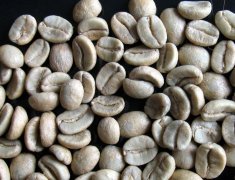
Ethiopian beans are small, fragrant, and known for their wine-like acidity and complex aromas. The country’s hundreds of native Arabica varieties thrive in high altitudes and diverse microclimates, making its coffees a favorite for single-origin offerings—and even for flavoring desserts and confections.
Top Ethiopian Coffee Origins and Their Profiles
- Limu: Washed, grown at 1,400–2,000m, with nutty, wine-like acidity and fruity depth. Annual production: 29,000 tons.
- Jimma: Natural, 1,400–1,800m, mild acidity, nutty with a long finish. Annual production: 70,000 tons.
- Gambella (Gambella/Gambela): Gourmet-grade, 1,500–2,300m, balanced acidity and fruity notes. Annual production: 34,000 tons.
- Yirgacheffe: Known for floral and spice notes, grown at 1,500–2,200m. Annual production: 28,000 tons.
- Sidamo: Versatile profile, 1,400–2,200m, bright acidity with tropical fruit tones. Annual production: 37,000 tons.
- Harar: Natural-processed, over 2,700m, intense exotic flavors with dry fruit and spice. Annual production: 26,000 tons.
Frequently Asked Questions
What makes Ethiopian coffee different from other countries’ coffee?
Ethiopian coffee is unique due to its native Arabica varieties, high-altitude growing conditions, and diverse processing methods. It often features bright acidity, floral or fruity notes, and complex aromas, especially compared to earthier or more chocolatey profiles from other regions.
What are the main coffee-growing regions in Ethiopia?
The key regions are Harar, Limu, Jimma, Sidamo, Kaffa, Yirgacheffe, and Wellega. Each has distinct altitudes (1,100–2,700m), climates, and processing styles, contributing to the variety in flavor profiles.
What’s the difference between washed and natural Ethiopian coffee?
Washed (35% of exports) involves removing the coffee cherry’s skin and fermenting the beans before drying, resulting in cleaner, brighter flavors. Natural (65%) dries the whole cherry in the sun, leading to fruitier, wine-like, and more intense profiles.
Which Ethiopian coffee region is known for the most distinctive flavors?
Yirgacheffe and Harar are the most famous. Yirgacheffe offers floral, citrusy, and tea-like notes, while Harar is bold and spicy with dry fruit and fermented undertones. Both are celebrated for their unique cup profiles.
How much coffee does Ethiopia export each year?
Ethiopia exports around 127,000 tons of coffee annually, making it the eighth-largest exporter globally and accounting for about 3% of the world market. Over 40% of its production is consumed domestically.
What coffee processing methods are used in Ethiopia?
The two main methods are washed (wet processing) and natural (dry processing). Washed coffee emphasizes clarity and acidity, while natural processing enhances sweetness and fruitiness, with 65% of exports using the natural method.
Recommended FrontStreet Coffee for Ethiopian Single Origins
For a true taste of Ethiopia, try FrontStreet’s Ethiopia Humbera, known for its vibrant berry and floral aromas typical of Yirgacheffe-region beans. For a heavier-bodied option, FrontStreet’s Ethiopia Sidamo showcases the sweet, citrus-forward profile common in Sidamo coffees. Both highlight the diverse flavors Ethiopia is famous for. Freshly roasted within 5 days · Orders placed before 17:00 ship the same day · Next-day delivery across most of Guangdong Province.
FrontStreet Coffee is a long-established specialty coffee roaster in Guangzhou China, selling freshly roasted beans from its own farm in Yunnan as well as dozens of carefully selected single-origin beans from around the world for both pour-over and espresso. The products deliver consistently excellent quality and great value, with shipping within 24 hours. Guangzhou's FrontStreet Coffee shop is recommended by many coffee lovers, and the beans are now available online at the Tmall 。
Important Notice :
前街咖啡 FrontStreet Coffee has moved to new addredd:
FrontStreet Coffee Address: 315,Donghua East Road,GuangZhou
Tel:020 38364473