
"Flo"
109 article(s) found

How to introduce Florina Coffee-What is the story and meaning of the flowers on Florina Coffee packaging?
Professional coffee knowledge exchange More coffee bean information Please pay attention to coffee workshop (Weixin Official Accounts cafe_style) Starbucks fresh brewed coffee and American coffee, Florina coffee introduction From the coffee master's presentation, the answer must be Kenya, Ethiopia, Pike market and so on. However, if you want to tell your father's love story in Star, choose Florina.

Introduction to the description of baking degree in the flavor producing area of Rwanda boutique coffee beans
Comic relief, a British charity, is also interested in Malaba. They pledged to use some of the 55 million pounds earned from their 2001 Red nose Day (Red Nose Day) in the UK and Africa to donate to the Genocide Widows Association (Association des Veuves du Genocide,AVEGA), one of the great universities of Rwanda in 1994.

Do you know what the certification mark on the coffee package means?
Professional coffee knowledge exchange more coffee bean information please follow the coffee workshop (Wechat official account cafe_style) more and more people like to buy a pound or half a pound of domestic and foreign boutique coffee home to grind and brew a pot of good coffee to enjoy a good coffee time; but have you ever noticed that in addition to the beautiful picture and text printed on the coffee bag like a work of art,
An introduction to the Historical Origin of Malaba Coffee in Rwanda
Following caf é (Wechat official account vdailycom) found that Malaba Coffee, Rwanda Malaba Coffee (Rwandan: Ikawa ya Maraba, French: Caf de Maraba) is a fair trade certified coffee grown in Malaba area of southern Rwanda. The coffee crop of Malaba is a bourbon variety of Arabica species.

Brief introduction of Rwanda Coffee beans how much is the coffee bean per jin
Malaba Coffee (Rwandan: Ikawa ya Maraba, French: Caf de Maraba) is Fairtrade certified coffee grown in the Malaba area of southern Rwanda. Malaba's coffee crop is a bourbon of the Arabica species and is grown in fertile volcanic soil on high-altitude hills. The fruits of coffee trees are mainly picked manually during the rainy season from March to May.
Kenya AA, Fairtrade coffee beans without FTO certification
Recently, several regular customers were very happy to know that we started to sell Fairtrade beans! However, with regard to Fairtrade beans, what we pursue is the imprint of the trademark or the pursuit of the spirit of fair care. Generally speaking, most of the popular Fairtrade beans on the market will be certified by the Fair Trade Organization, which can ensure that you buy them.

Kenya AA coffee beans, Fairtrade beans without FTO certification
Professional barista communication Please follow the coffee workshop (Wechat official account cafe_style) recently there are several regular customers who are very happy to know that we are starting to sell Fairtrade beans! However, with regard to Fairtrade beans, what we pursue is the imprint of the trademark or the pursuit of the spirit of fair care. Generally speaking, Fairtrade beans are popular on the market.
The Story of Kenya Coffee beans Kenya AA are uncertified Fairtrade coffee beans
Professional coffee knowledge exchange more coffee bean information Please follow the coffee workshop (Wechat official account cafe_style) recently there are several regular customers who are very happy to know that we are selling Fairtrade beans! However, with regard to Fairtrade beans, what we pursue is the imprint of the trademark or the pursuit of the spirit of fair care. Generally speaking, it is relatively hot in the market
Boutique coffee Rwanda coffee origin Rwanda coffee practice
Rwandans have been growing coffee since colonial times, but until 1999, its products were still classified as below Class C and were not popular in the global market. The reason for the poor quality is that farmers do not have a fixed procedure for washing coffee beans and do not process coffee fruits according to specifications in time. Buyers buy coffee beans at $0.33 per kilogram, and farmers keep warm by the meagre profits earned at low prices.
Fine coffee Rwanda coffee manor Rwanda coffee producing area
Rwandans have been growing coffee since colonial times, but until 1999, its products were still classified as below Class C and were not popular in the global market. The reason for the poor quality is that farmers do not have a fixed procedure for washing coffee beans and do not process coffee fruits according to specifications in time. Buyers buy coffee beans at $0.33 per kilogram, and farmers keep warm by the meagre profits earned at low prices.
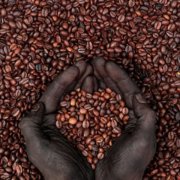
Does fair trade work? Fair Trade Movement Progress and Opposition
Professional barista exchanges, please pay attention to coffee workshop (Weixin Official Accounts cafe_style) About fair trade, the author believes that the most appropriate paragraph to explain the concept of fair trade is Ms. Marlene's words in Banana War and Fair Trade: Fair trade certification is a two-way commitment. Consumers create a way to improve the lives of producers and their families, with
Rwandan coffee is the best coffee in Rwanda.
Rwandans have been growing coffee since colonial times, but until 1999, the product was classified as below grade C and was not available on the global market. The reason for the poor quality is that farmers do not have a fixed procedure for cleaning coffee beans, and they do not process coffee fruits according to specifications in time. Buyers pay $0.33 a kilo for coffee beans, farmers keep warm on meager profits from low prices
Boutique Coffee Rwanda Coffee Manor 1756 members small farmers
Rwandans have been growing coffee since colonial times, but until 1999, its products were still classified as below Class C and were not popular in the global market. The reason for the poor quality is that farmers do not have a fixed procedure for washing coffee beans and do not process coffee fruits according to specifications in time. Buyers buy coffee beans at $0.33 per kilogram, and farmers keep warm by the meagre profits earned at low prices.

Boutique coffee Rwanda coffee flavor red apple, cherry, cinnamon, honey
Rwandans have been growing coffee since colonial times, but until 1999, its products were still classified as below Class C and were not popular in the global market. The reason for the poor quality is that farmers do not have a fixed procedure for washing coffee beans and do not process coffee fruits according to specifications in time. Buyers buy coffee beans at $0.33 per kilogram, and farmers keep warm by the meagre profits earned at low prices.

Fine coffee Rwanda coffee producing area Western Province Lutexiluo producing area
Rwandans have been growing coffee since colonial times, but until 1999, the product was classified as below grade C and was not available on the global market. The reason for the poor quality is that farmers do not have a fixed procedure for cleaning coffee beans, and they do not process coffee fruits according to specifications in time. Buyers pay $0.33 a kilo for coffee beans, farmers keep warm on meager profits from low prices

Fine coffee Rwanda coffee treatment method washing, elevated scaffolding sun drying
Rwandans have been growing coffee since colonial times, but until 1999, its products were still classified as below Class C and were not popular in the global market. The reason for the poor quality is that farmers do not have a fixed procedure for washing coffee beans and do not process coffee fruits according to specifications in time. Buyers buy coffee beans at $0.33 per kilogram, and farmers keep warm by the meagre profits earned at low prices.

Starbucks new products East Timor bead coffee beans and Florna (integrated coffee) deep roasting
Professional baristas please follow the coffee workshop (Wechat official account cafe_style) recently, Starbucks launched a new product, called East Timor bead coffee, from the introduction, this should be a single bean. It is said that 3/4 of the land in East Timor is hills, coffee-rich mountains, high altitude, long sunshine, fully meet the conditions for planting coffee trees, plus the use of
Rwanda Coffee Plantation Rwanda Coffee Region
Rwandans have been growing coffee since colonial times, but until 1999, the product was classified as below grade C and was not available on the global market. The reason for the poor quality is that farmers do not have a fixed procedure for cleaning coffee beans, and they do not process coffee fruits according to specifications in time. Buyers pay $0.33 a kilo for coffee beans, farmers keep warm on the meager margins they earn at low prices
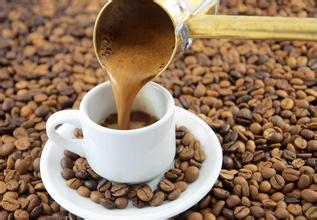
Boutique coffee Rwanda coffee origin Rwanda coffee practice
Rwandans have been growing coffee since colonial times, but until 1999, its products were still classified as below Class C and were not popular in the global market. The reason for the poor quality is that farmers do not have a fixed procedure for washing coffee beans and do not process coffee fruits according to specifications in time. Buyers buy coffee beans at $0.33 per kilogram, and farmers keep warm by the meagre profits earned at low prices.
Boutique Coffee Rwanda Coffee Manor 1756 members small farmers
Rwandans have been growing coffee since colonial times, but until 1999, its products were still classified as below Class C and were not popular in the global market. The reason for the poor quality is that farmers do not have a fixed procedure for washing coffee beans and do not process coffee fruits according to specifications in time. Buyers buy coffee beans at $0.33 per kilogram, and farmers keep warm by the meagre profits earned at low prices.