
"GHB"
156 article(s) found

Classification of Mexican coffee what are the varieties of fine Mexican coffee beans
Professional coffee knowledge exchange more coffee bean information please follow the coffee workshop (Wechat official account cafe_style) Mexican coffee [grade]: Mexico and Guatemala, Costa rica grade is the same, SHB = Strictly Hard Bean very hard beans GHB = Good Hard Bean hard beans HB = Hard Bean hard beans Paci

A brief introduction to the characteristics of Costa Rican Coffee Flavor Wheel
A brief introduction to the characteristics of Costa Rican Coffee Flavor Wheel, with reference to the altitude of the producing area, according to the density of beans: SHB,strictly hard bean, very hard beans 3900 feet (about 1200m) GHB,good hard bean, hard beans 3300 feet (about 1000m) MHB,medium hard bean, medium beans 1600 feet (about 500m) usually, sea

Introduction to the characteristics of taste grinding scale for flavor description of Costa Rican coffee bean manor
Costa Rican Coffee Manor Flavor description Taste Grinding scale Variety characteristics Coffee Grade according to the altitude of the producing area, according to the density of beans: SHB,strictly hard bean, very hard beans 3900 feet (about 1200m) GHB,good hard bean, hard beans 3300 feet (about 1000m) MHB,medium hard bean, medium beans 1600 feet (about 500m)

What do you mean coffee is treated with red honey? coffee honey is as sweet as honey when it is not sour.
Professional coffee knowledge exchange more coffee bean information please follow the coffee workshop (Wechat official account cafe_style) front street-coffee honey treatment introduction Costa Rica's high-quality coffee beans are called very hard beans (SHB), there are hard beans (GHB), slightly hard beans (SH) quality decline in turn, very hard beans grow above 1500 meters above sea level, altitude has always represented the quality of coffee

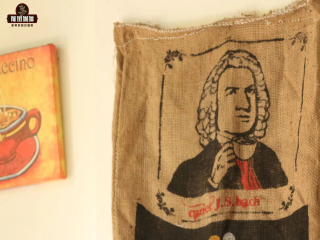
Costa Rican Coffee fact Carnett Manor musicians Beethoven Coffee Bean Flavor description
Coffee is the main cash crop in Costa Rica. Coffee production has played a key role in Costa Rica's history and continues to play an important role in the country's economy. Coffee was Costa Rica's third largest export in 2006 and has been the largest cash crop export for decades. Costa Rica is the first Central American country with a coffee industry.

Ideal acidity of Costa Rica Sijas Manor Fine Coffee Bean Grinding degree treatment
Coffee was graded according to the density of beans: SHB,strictly hard bean, 3900 feet (about 1200m) GHB,good hard bean for very hard beans, 3300 feet (about 1000m) MHB,medium hard bean for hard beans, and 1600 feet (about 500m) for medium beans. Altitude was positively correlated with density. High altitude, low temperature, coffee

Classification of coffee beans basic knowledge of drinking coffee, knowledge of classification of coffee beans
Most Caribbean and Central American countries express quality in terms of altitude. For example, the eastern part of Costa Rica produces LGA (Low Grown Atlantic Atlantic low altitude), MGA (Medium Grown Atlantic Mid-Atlantic altitude), HGA (High Grown Atlantic Atlantic High altitude), West Bank slopes produce HB (Hard Bean hard beans), MHB (Medium Ha)
Flavor and taste characteristics of Costa Rican coffee beans introduction to the history of planting varieties in Costa Rican coffee producing areas
The most important feature of Costa Rican coffee is its unrestrained aroma, fresh and dry acidity, and a balanced and pleasant classic flavor. Costa Rica has the acidity of Central American coffee beans, coupled with years of variety improvement and honey treatment in Costa Rica, which gives Costa Rican coffee attractive.

Coffee bean classification coffee classification coffee sample coffee type
Growing coffee beans may have special place names, or treatment (washed or non-washed), may have a title, or may only have a letter or number after it. In some countries where the coffee industry is nationalised, the grading system seems uninteresting. In Kenya, for example, a bag of coffee might be: water-washed AA, followed by a number to indicate the quality level of the cup. However, this is the kind of listening.

Costa Rican Coffee Manor Goddess Manor
The weak acid fertile soil bred by the volcano of coffee cultivation has obvious dry and wet seasons, high temperature and sufficient precipitation, which provides excellent conditions for coffee cultivation. Coffee variety 100% Arabica. In 1989, it was rare to ban the cultivation of Robusta in the form of national legislation, which was then extended to boycott cartimor varieties. Most common are caturra and catua.

Introduction to special coffee culture of Costa Rican coffee bean flavor and taste producing area
Coffee changed the country of Costa Rica. In Costa Rica, coffee farmers have a very high status, because the volcanic soil is very fertile and rich in nutritional value, which provides the nutritional value of coffee when it was imported to Britain in 1820. It was called the "golden bean" of Costa Rica by the British aristocracy.

What is the flavor of Costa Rican Tarazhu coffee beans? introduction to Tarazhu Shepherd Boy Manor Coffee
Costa Rica Tarazu Shepherd Boy Manor country: Costa rica producing area: Tarazu producing area elevation: about 1400-1600m treatment: washed varieties: Kaddura, Kaduai grade: SHB flavor: delicate sweet and sour taste of green apple, white grape and grapefruit, mid-course nuts, walnut, caramel, almonds, cream taste, vanilla, spice finish. At present, Costa Rica

Coffee bean grading instructions
At present, there is no international standard for coffee bean quality classification, and the classification method varies from country to country, so coffee classification is carried out according to some characteristics applicable to each producing country.

Guatemalan Coffee Bean grading Guatemala Coffee Flavor characteristics describe Guatemalan Coffee Story
Guatemala Coffee Bean graded Flavor description Taste Variety production area treatment method introduction Central American coffee is rated according to the altitude at which coffee grows in Mexico, Honduras, Haiti and other countries according to the height of Strictly High Grown (extremely high mountain beans, referred to as SHG), followed by High Grown (mountain beans, referred to as HG) Mexico called Altura, in Spanish

Costa Rican coffee bean varieties Tara Beads coffee bean classification grading criteria
Weixin Official Accounts cafe_style) This is one of Costa Rica's coffee-growing areas in the Orosi Valley) About Costa Rica Coffee Beans (Central America) Costa Rica Tarrazu is one of the largest coffee-growing areas in the world. It is located in the central valley of Costa Rica and is also located in San Jose, the capital of the country

Introduction to the classification of boutique Kenyan coffee
◎ grades defective beans by the number of points, which is the earliest method of grading, and is still in use in many parts of Brazil. The method of identification is to randomly take 300 grams of samples and put them on black paper, because black paper can best avoid reflection. Then, examined carefully by the professional appraiser, find out the defective beans in the sample, and accumulate different scores according to the types of defects. For example, one black bean counts as one.

Classification of coffee beans to distinguish defective beans
Grading by the number of points of defective beans is the earliest classification method, and it is still in use in many parts of Brazil. The method of identification is to randomly take 300 grams of samples and put them on black paper, because black paper can best avoid reflection. Then, examined carefully by the professional appraiser, find out the defective beans in the sample, and accumulate different scores according to the types of defects. For example, one black bean counts as one point.

Introduction of Coffee Variety and Grade producing areas in Costa Rica
Following Cafe Review (Wechat official account vdailycom) found that Beautiful Cafe opened a small shop of its own Costa Rican coffee variety 100% Arabica. In 1989, it was rare to ban the cultivation of Robusta in the form of national legislation, which was then extended to boycott cartimor varieties. Most of them are caturra and catuai. Costa Rican Coffee Harvest and Service

Coffee grades introduction Coffee Grade introduction Fine Coffee beans
◎ grades defective beans by the number of points, which is the earliest method of grading, and is still in use in many parts of Brazil. The method of identification is to randomly take 300 grams of samples and put them on black paper, because black paper can best avoid reflection. Then, examined carefully by the professional appraiser, find out the defective beans in the sample, and accumulate different scores according to the types of defects. For example, one black bean counts as one.
Coffee bean grading
At present, there is no international standard for coffee bean quality classification, and the classification method varies from country to country, so coffee classification is carried out according to some characteristics applicable to each producing country. Take samples of coffee beans from a bag, judge them according to the standards of the producing country, grade the samples, and determine whether they are good or bad according to the evaluation.