
"Hassenda"
61 article(s) found

Ecuadorian coffee beans introduce Galapagos Coffee Santa Cruz Manor
As coffee is consumed by people all over the world, the world coffee industry is also moving towards mass production, while St. Cristobal, a small and unreliable coffee industry, is in trouble and is likely to be forced to give up without profit. It wasn't until the early 1990s that the Gonzalez family bought Hasunda Coffee Park. Humboldt current (HumboldtC

Ecuadorian Grade A Coffee Boutique Coffee Flavor Taste Manor Introduction
Coffee is consumed by people all over the world, and the world coffee industry is moving towards mass production, and San Cristobal's small and uncertain coffee industry is in trouble and may eventually be forced to give up without profit. It wasn't until the early 1990s that the Gonzalez family bought Hassenda Coffee Plantation. Humboldt Curre

Ecuador coffee plantation flavor characteristics of the taste of Ecuador coffee introduction
As coffee is consumed around the world, the world coffee industry moves toward mass production, and San Cristobal's smaller and less reliable coffee industry is in trouble and may eventually be forced to give up without profit. It wasn't until the early 1990s that the Gonzalez family bought Hassenda Coffee Plantation. Humboldt Current

Introduction of Hassanda Coffee Garden in Ecuador ES Coffee Flavor production area
As coffee is consumed by people all over the world, the world coffee industry is also moving towards mass production, while St. Cristobal, a small and unreliable coffee industry, is in trouble and is likely to be forced to give up without profit. It wasn't until the early 1990s that the Gonzalez family bought Hasunda Coffee Park. Humboldt current (HumboldtC

Organic cultivation of coffee treasures from the hometown of giant turtles
Coffee treasures from the hometown of giant turtles, which are of excellent quality and do not use any chemicals when growing. Coffee is grown in San Cristobal (SaintCrstbal). St. Cristobal is a larger island in the Galapagos Islands (GalapagosIslands) and the only one in the archipelago with plenty of fresh water. At 410 meters above sea level on the island

Taste of Ecuadorian Coffee Flavor Manor area introduces the characteristics of Ecuadorian coffee
As coffee is consumed by people all over the world, the world coffee industry is also moving towards mass production, while St. Cristobal, a small and unreliable coffee industry, is in trouble and is likely to be forced to give up without profit. It wasn't until the early 1990s that the Gonzalez family bought Hasunda Coffee Park. Humboldt current (HumboldtC

Ecuador Coffee Plantation Flavor Taste Introduction Hasenda Coffee Plantation
David Mino, a new champion barista from Ecuador, carefully prepared the original Ecuadorian coffee on site and led friends on the spot to enjoy a trip to Ecuador. From the surprisingly soft taste of Galpagos coffee, to the sour and bitter taste of LOJA in Ecuador, to the softer taste of Garpagos coffee and mouth

Ecuadorian Coffee Flavor and Taste Manor production area introduces the boutique Ecuadorian coffee bean producing area
As coffee is consumed by people all over the world, the world coffee industry is also moving towards mass production, while St. Cristobal, a small and unreliable coffee industry, is in trouble and is likely to be forced to give up without profit. It wasn't until the early 1990s that the Gonzalez family bought Hasunda Coffee Park. Humboldt current (HumboldtC

Ecuador Hazenda Coffee Garden Flavor Description Region Treatment Variety Introduction
Ecuador Ecuador is home to the highest Arabica coffee plantations in the world. Arabica coffee trees were first introduced to Ecuador in 1952 and the quality of their coffee is excellent, especially when harvested in early June. Ecuadorian coffee beans can be divided into Galapagos (Galapagos) and Gigante (Gigante) two varieties, both have large particles, heavy portions, balanced acidity, aromatic

Aromatic Ecuadorian fine coffee beans Flavor Taste Manor Features
In 1875, 340 years after Frei Thomas de Berlanga discovered the island, an indigenous man named Cobos arrived on San Cristobal Island, where he established the Hassenda Coffee Plantation and planted about 100 hectares of Arabic bourbon trees. Because the plantation is located between 140 meters and 275 meters above sea level, the climate is equivalent to the climate between 915 meters and 1830 meters inland.

Puerto Rico Coffee Plantation Hasenda Coffee Plantation Flavor Taste Plantation Introduction Ecuador Coffee
Chinese and foreign investment network reminds coffee lovers, now there are Guangdong coffee buyers to Ecuador to purchase coffee beans, I believe Guangzhou coffee lovers will soon be able to taste the aroma of Ecuadorian coffee in the cafes of the streets. In recent years, in addition to Ecuadorian coffee, more and more Ecuadorian products have entered the Chinese market, including Ecuadorian roses.

Balanced and refreshing Ecuadorian coffee beans Flavor Taste Manor Features
In 1875, 340 years after Frei Thomas de Berlanga discovered the island, an indigenous man named Cobos arrived on San Cristobal Island, where he established the Hassenda Coffee Plantation and planted about 100 hectares of Arabic bourbon trees. Because the plantation is located between 140 meters and 275 meters above sea level, the climate is equivalent to the climate between 915 meters and 1830 meters inland.
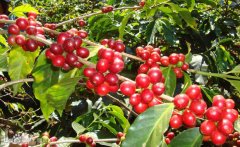
Coffee treasures from the hometown of giant turtles in the Galapagos Islands are of excellent quality and organically grown.
Coffee treasures from the hometown of giant turtles, which are of excellent quality and do not use any chemicals when growing. Coffee is grown in San Cristobal (SaintCrstbal). St. Cristobal is a larger island in the Galapagos Islands (GalapagosIslands) and the only one in the archipelago with plenty of fresh water. At 410 meters above sea level on the island

Ecuador coffee flavor producing area Manor Introduction Fine coffee processing method Processing method
In 1875, 340 years after Frei Thomas de Berlanga discovered the island, an indigenous man named Cobos arrived on San Cristobal Island, where he established the Hassenda Coffee Plantation and planted about 100 hectares of Arabic bourbon trees. Because the plantation is located between 140 meters and 275 meters above sea level, the climate is equivalent to the climate between 915 meters and 1830 meters inland.

Ecuador Coffee Flavor Characteristics Variety Producing Area Taste Treatment Method Planting Environment Introduction
In 1875, 340 years after Frei Thomas de Berlanga discovered the island, an indigenous man named Cobos arrived on San Cristobal Island, where he established the Hassenda Coffee Plantation and planted about 100 hectares of Arabic bourbon trees. Because the plantation is located between 140 meters and 275 meters above sea level, the climate is equivalent to the climate between 915 meters and 1830 meters inland.

Galapagos Fine Coffee Origin Manor Flavor Taste Introduction
As coffee is consumed around the world, the world coffee industry moves toward mass production, and San Cristobal's smaller and less reliable coffee industry is in trouble and may eventually be forced to give up without profit. It wasn't until the early 1990s that the Gonzalez family bought Hassenda Coffee Plantation. Humboldt Current

Features of Ecuador's Hasenda Estate Coffee Hasenda Estate Coffee Types Introduction
Weixin Official Accounts cafe_style ) Ecuador Hassenda Manor Coffee Features Ecuador Population: 15224000 Ecuador Coffee is increasingly prominent in the boutique coffee industry, although low-lying areas are unlikely to produce good coffee, but higher altitude areas have

Introduction to the characteristics of the aromatic Ecuadorian Coffee Manor producing area
Ecuador is the highest Arabian coffee plantation in the world. The Arabian Coffee Tree was first introduced to Ecuador in 1952 and its coffee is of good quality, especially the coffee harvested in early June. Ecuadorian coffee beans can be divided into two varieties: Galapagos and Gigante, both of which have the characteristics of large particles, heavy weight, balanced acidity and rich aroma. Er

Ecuador Coffee Plantation Flavor Taste Features Hasenda Coffee Plantation
When it comes to Ecuadorian coffee, you have to mention the organic coffee of the Galapagos Islands in Ecuador. Galapagos Islands is a famous tourist attraction, declared a world natural heritage by UNESCO, extremely rich in products, organic coffee is one of the unique. Local fertile volcanic soil, micro-climate and other unique ecological environment, coupled with its non-

Introduction of Ecuadorian Coffee Flavor and Taste Variety description of Baking degree, brewing method and Manor production area
The famous South American brand, Ecuadorian Grade A coffee, has a large state-run seed value garden; 100% is produced in the natural vegetation zone of 1300-2000 meters highland, popular in Europe and the United States, and tastes exquisite world-class Arabica Arabica flavor at supermarket prices. ES Coffee is a clean organic coffee grown on the slopes of the Andes in Latin America. It is 100% pure coffee, through efforts to change