
"IAAC"
687 article(s) found
Introduction of Costa Rican Coffee (group of pictures)
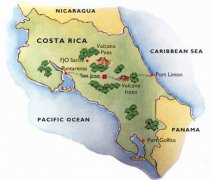
Tarrazu in Costa Rica is one of the major coffee producing areas in the world. The coffee produced is light and pure in flavor and pleasant in aroma. Costa Rica, with its fertile volcanic soil and good drainage, is the first country in Central America to grow coffee and bananas for commercial value. Coffee and bananas are the country's main exports. In 1729, coffee was introduced from Cuba to Costa.

Costa Rican Coffee Manor with clear Flavor: introduction to Fenghuang Manor
With fertile volcanic soil and good drainage, Dariga is the first country in Central America to grow coffee and bananas because of its commercial value. Coffee and bananas are the country's main exports. Coffee was introduced into Costa Rica from Cuba in 1729. Today, its coffee industry is one of the well-organized industries in the world, with a yield of 1700 kg per hectare. Gostad
Introduction of boutique coffee beans Costa Rican coffee
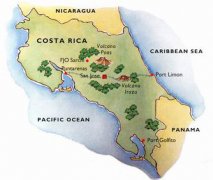
Tarrazu in Costa Rica is one of the major coffee producing areas in the world. The coffee produced is light and pure in flavor and pleasant in aroma. Costa Rica, with its fertile volcanic soil and good drainage, is the first country in Central America to grow coffee and bananas for commercial value. Coffee and bananas are the country's main exports. In 1729, coffee was introduced from Cuba to Costa.

Costa Rican coffee the characteristics of Costa Rican coffee
Coffee was introduced into Costarica from Cuba in 1729. Today, its coffee industry is one of the most well-organized industries in the world. Costa Rica, with its fertile volcanic soil and good drainage, is the first country in Central America to grow coffee and bananas for commercial value. Coffee and bananas are the country's main exports. Coffee from Costa Rica

Global Coffee producing area-Costa Rica Coffee Market
Coffee was introduced into Costarica from Cuba in 1729. Today, its coffee industry is one of the most well-organized industries in the world. Costa Rica, with its fertile volcanic soil and good drainage, is the first country in Central America to grow coffee and bananas for commercial value. Coffee and bananas are the country's main exports. Coffee from Costa Rica

Introduction of Costa Rican coffee producing areas with extremely hard beans above 1500 meters above sea level
With fertile volcanic soil and good drainage, Dariga is the first country in Central America to grow coffee and bananas because of its commercial value. Coffee and bananas are the country's main exports. Coffee was introduced into Costa Rica from Cuba in 1729. Today, its coffee industry is one of the well-organized industries in the world, with a yield of 1700 kg per hectare. Gostad

Costa Rican coffee varieties Kadura, Kaduai
Full-bodied particles, ideal acidity, unique and intense aroma. Tarrazu, Costa Rica, is one of the world's leading coffee producers, producing coffee with a light, pure flavor and pleasant aroma. Costa Rica's volcanic soils are fertile and well drained, making it the first country in Central America to grow coffee and bananas for commercial value. Coffee and bananas are the country's staple foods.

An introduction to the characteristics of Coffee producing area in Costa Rica
Costa Rican coffee origin: high-quality Costa Rican coffee is called extra hard beans, this kind of coffee can grow at an altitude of more than 1500 meters. Altitude has always been a problem for coffee growers. The higher the altitude, the better the coffee beans, not only because the higher altitude can increase the acidity of the coffee beans and thus increase the flavor, but also because the night temperature at the higher altitude is lower.

High-quality Costa Rican coffee is called "extra hard beans".
Following Cafe Review (Wechat official account vdailycom) found that Costa Rican coffee has a small shop of its own with full particles, ideal acidity and unique strong flavor. The coffee industry in Costa Rica, originally controlled by the Costa Rican Coffee Industry Company (InstitutodelCafdeCostaRica, ICAFE), is now under the control of the official Coffee Committee (Oficinad)

Introduction to Costa Rican coffee with light and pure flavor and pleasant aroma
Excellent Costa Rican coffee is called extra hard beans, and this kind of coffee can grow at an altitude of more than 1500 meters. Altitude has always been a problem for coffee growers. The higher the altitude, the better the coffee beans, not only because the higher altitude can increase the acidity of the coffee beans and thus increase the flavor, but also because the night temperature at the higher altitude is lower, which can make the trees grow slowly.

Introduction to the Flavor description of Costa Rica Coffee Bean by Variety treatment
Excellent Costa Rican coffee is called extra hard beans, and this kind of coffee can grow at an altitude of more than 1500 meters. Altitude has always been a problem for coffee growers. The higher the altitude, the better the coffee beans, not only because the higher altitude can increase the acidity of the coffee beans and thus increase the flavor, but also because the night temperature at the higher altitude is lower, which can make the trees grow slowly.

Costa Rican boutique coffee brief introduction to Costa Rica
Costa Rican coffee has full grains, ideal acidity and unique strong aroma. Tarrazu of Costa Rica is one of the major coffee producing areas in the world. Costa Rica, with its fertile volcanic soil and good drainage, is the first country in Central America to grow coffee and bananas for commercial value. Coffee and bananas
Introduction to the Flavor characteristics of Orosi / Eurosi Orosi Coffee in Costa Rica Coffee producing area
Professional coffee knowledge exchange more coffee bean information please follow the coffee workshop (Wechat official account cafe_style) History Costa Rica is the first country in Central America to grow coffee and bananas because of its fertile and well-drained volcanic soil. Coffee and bananas are the country's main exports. In 1729, coffee was introduced into Costa Rica from Cuba.

Introduction to the treatment of Costa Rican Coffee Flavor description
Formally affirmed the legal provisions prohibiting any president from seeking to serve again at any time after his term in office. Under the resolution, it would be unconstitutional for Oscar Arias (scar Arias), a Nobel Peace Prize winner in 1987, to run again in the upcoming 2006 government elections. Avias is an advocate of free trade and supports cooperation with the United States.

Full-grained Costa Rican coffee flavor introduces Costa Rican coffee producing areas
With fertile volcanic soil and good drainage, Dariga is the first country in Central America to grow coffee and bananas because of its commercial value. Coffee and bananas are the country's main exports. Coffee was introduced into Costa Rica from Cuba in 1729. Today, its coffee industry is one of the well-organized industries in the world, with a yield of 1700 kg per hectare. Gostad

Introduction to the characteristics of Costa Rican Saint Roman Coffee Flavor Manor
Tarrazu in Costa Rica is one of the major coffee producing areas in the world. The coffee produced is light and pure in flavor and pleasant in aroma. Costa Rica, with its fertile volcanic soil and good drainage, is the first country in Central America to grow coffee and bananas for commercial value. Coffee and bananas are the country's main exports. In 1729, coffee was introduced from Cuba to Goth.

Flavor description of Costa Rican boutique coffee beans introduction to the manor by grinding scale treatment
Tarrazu in Costa Rica is one of the major coffee producing areas in the world. The coffee produced is light and pure in flavor and pleasant in aroma. Costa Rica, with its fertile volcanic soil and good drainage, is the first country in Central America to grow coffee and bananas for commercial value. Coffee and bananas are the country's main exports. In 1729, coffee was introduced from Cuba to Goth.

Unique strong flavor of Costa Rican coffee taste characteristics of boutique coffee beans
Other Costa Rican coffees worth mentioning are Juan Vinas,PR, H.Tournon, Windmill,SHB, Monte bello and Ssnta Rosa. Fine Costa Rican coffee is generally grown in Geredia and the central canyon. Another eye-catching Costa Rican coffee is sa

Costa Rican Coffee Origins Costa Rican Coffee Practices
Full-bodied particles, ideal acidity, unique and intense aroma. Tarrazu, Costa Rica, is one of the world's leading coffee producers, producing coffee with a light, pure flavor and pleasant aroma. Costa Rica's volcanic soils are fertile and well drained, making it the first country in Central America to grow coffee and bananas for commercial value. Coffee and bananas are the country's staple foods.

Costa Rican Coffee Origins Costa Rican Coffee Practices
Full-bodied particles, ideal acidity, unique and intense aroma. Tarrazu, Costa Rica, is one of the world's leading coffee producers, producing coffee with a light, pure flavor and pleasant aroma. Costa Rica's volcanic soils are fertile and well drained, making it the first country in Central America to grow coffee and bananas for commercial value. Coffee and bananas are the country's staple foods.