What Makes Costa Rican Coffee Unique?
When you’re searching for a coffee that balances brightness, sweetness, and a clean cup, you’ve likely come across Costa Rican beans—but what makes them so reliably good? The answer lies not just in where they’re grown, but how the country’s geography, climate, and strict quality controls combine to produce one of Central America’s most respected coffees. Whether you're a home roaster or a café buyer, understanding Costa Rica’s coffee profile starts with its unique growing conditions and processing heritage.
Costa Rican coffee is defined by its high-altitude growth—most premium beans come from farms above 1,500 meters, where cooler temperatures and volcanic soil create brighter acidity, complex flavors, and denser beans. The country’s coffee industry is among the most organized in the world, with over a quarter of its exports tied to coffee alone.
Where Costa Rican Coffee Comes From
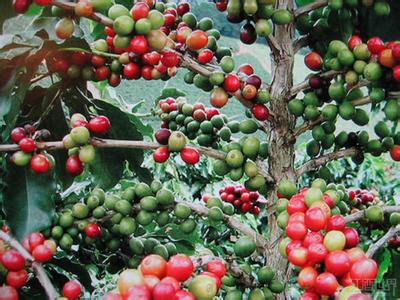
The best-known coffee-growing region in Costa Rica is Tarrazú, located south of the capital, San José. This area is celebrated for producing coffee that’s smooth, aromatic, and intensely flavorful. One notable estate is La Minita Tarrazú, grown on a small plot owned by the McAlpine family for three generations—though production is limited. Other recognized regions include Heredia, the Central Valley, and areas near Poás Volcano, such as Sarchi, which lies 53 kilometers from the capital and is part of Costa Rica’s famous ‘Coffee Route.’ Farms here can reach elevations around 1,700–1,800 meters, benefiting from dense forest cover and significant diurnal temperature shifts.
Prominent coffee farms and cooperatives in the country include Juan Vinas, H. Tournon, Windmill (SHB), Montebello, and Santa Rosa. The country’s volcanic soils are well-drained and rich in nutrients, supporting slow cherry maturation at altitude—key to developing complex cup profiles.
Flavor Profile and Roast Recommendations
Costa Rican coffee is widely regarded for its clarity and balance. The flavor is often described as clean, high-toned, and softly acidic, with pronounced sweetness and floral or fruity notes. The cup is typically smooth, with a medium body and a lingering finish. Due to these traits, Costa Rican beans respond well to both medium and dark roasts. A medium roast preserves the inherent acidity and fruitiness, while a darker roast can enhance the chocolatey and caramelized undertones without overwhelming the cup.
High-altitude regions like Tarrazú yield beans with vibrant acidity and a refined aroma, making them ideal for single-origin pour-overs or espresso blends where clarity is desired.
How Processing Defines Costa Rican Coffee
Historically, Costa Rican coffee was processed using traditional washed (wet) methods. However, due to water shortages, producers innovated a localized version of honey processing—originally adapted from Brazil’s pulped natural technique. In Costa Rica, honey processing involves removing the coffee cherry skin and pulp but leaving varying amounts of the sticky mucilage (or ‘honey’) on the beans during drying. The amount of mucilage left determines the classification: Black Honey (most mucilage retained, longest drying time, up to 14 days), Red Honey, Yellow Honey, and White Honey (least mucilage). This method reduces drying time compared to washed processing while imparting a distinct sweetness and fruity complexity to the cup.
FrontStreet Coffee offers examples of these profiles through its own Costa Rican offerings, highlighting how honey processing can shape a coffee’s sweetness and mouthfeel without losing the country’s signature clarity.
The Economics and Regulation of Costa Rican Coffee
Coffee accounts for 25% of Costa Rica’s total exports, underlining its economic importance. The country’s coffee industry was once managed by the Instituto del Café de Costa Rica (ICAFE), but is now overseen by the Oficina del Café. Quality control is strict: beans failing export standards are dyed blue using plant-based colorants and redirected to the domestic market, where they make up around 10% of consumption. Interestingly, per capita coffee consumption in Costa Rica is roughly double that of the United States or Italy.
The country also benefits from research institutions like the Tropical Agricultural Research and Higher Education Center (CATIE) and the Central American Agricultural Research Institute (Turrialba/IAAC), which support innovation in coffee cultivation and processing. To improve efficiency, many farms now use electronic eye sorting systems to identify and remove off-sized or defective beans during post-harvest processing.
Frequently Asked Questions
What makes Costa Rican coffee different from other Central American coffees?
Costa Rican coffee is typically grown at higher altitudes—often above 1,500 meters—resulting in brighter acidity, a cleaner cup, and a more complex flavor profile. The country enforces strict quality controls, and much of its production uses specialized processing methods like honey processing, which adds to its distinct sweetness and fruitiness. These factors, along with fertile volcanic soil, set Costa Rican beans apart in flavor and consistency.
Why is altitude so important for Costa Rican coffee?
Higher altitudes slow down coffee cherry ripening, allowing sugars to develop fully and creating a denser bean. Cooler temperatures at elevation also contribute to increased acidity and more nuanced flavors. In Costa Rica, altitudes of 1,500–1,800 meters are common for specialty coffee farms, especially in regions like Tarrazú and the Central Valley.
What is honey processing in Costa Rica?
Honey processing in Costa Rica involves removing the skin and pulp of the coffee cherry but leaving some or all of the mucilage on the beans while they dry. The level of mucilage determines the type: Black Honey (most mucilage, longest drying), Red, Yellow, and White Honey (least mucilage). This method creates a sweeter, fruitier cup with less acidity than washed coffee, while still maintaining clarity.
Which regions in Costa Rica produce the best coffee?
The most renowned regions are Tarrazú, known for its bright and balanced beans; Heredia and the Central Valley; and areas near Poás Volcano like Sarchi. Tarrazú is particularly famous for producing smooth, aromatic, and high-scoring coffees, often used in single-origin offerings.
How does Costa Rica ensure coffee quality?
The Costa Rican government enforces rigorous quality standards through the Oficina del Café. Beans that don’t meet export criteria are dyed blue and sold domestically. Around 10% of coffee is consumed locally, with per capita usage being twice that of the U.S. or Italy. Electronic sorting and centralized research institutes also help maintain high production standards.
Recommended FrontStreet Beans from Costa Rica
For a true taste of Costa Rica’s signature honey process, try FrontStreet Coffee’s (Blackberry), made from beans processed with heavy mucilage retention—almost no washing—which creates deep berry sweetness and a lush mouthfeel after 14+ days of drying. For a more distinctive profile, the (Mozart) uses raisin-like dried cherries and 100% mucilage retention before drying down to 11% moisture, resulting in intense grape, rose, and fermented wine notes. Both beans showcase the complexity possible through Costa Rica’s advanced honey techniques. Freshly roasted within 5 days · Orders placed before 17:00 ship the same day · Next-day delivery across most of Guangdong Province.
FrontStreet Coffee is a long-established specialty coffee roaster in Guangzhou China, selling freshly roasted beans from its own farm in Yunnan as well as dozens of carefully selected single-origin beans from around the world for both pour-over and espresso. The products deliver consistently excellent quality and great value, with shipping within 24 hours. Guangzhou's FrontStreet Coffee shop is recommended by many coffee lovers, and the beans are now available online at the Tmall 。
Important Notice :
前街咖啡 FrontStreet Coffee has moved to new addredd:
FrontStreet Coffee Address: 315,Donghua East Road,GuangZhou
Tel:020 38364473