What Makes Yemeni Coffee Unique and Where to Find It
When you taste a cup labeled 'Mocha' or 'Mokha', you’re drinking coffee with roots that go back further than almost any other in the specialty world. But with that history comes a puzzle: why is Yemeni coffee so famously intense, so wildly varied, and yet so hard to trust in quality? If you’ve ever sipped a Yemeni lot and wondered what makes it smell like dried figs, taste like dark chocolate, and finish with a jolt of something you can’t name—this is the story behind that cup.
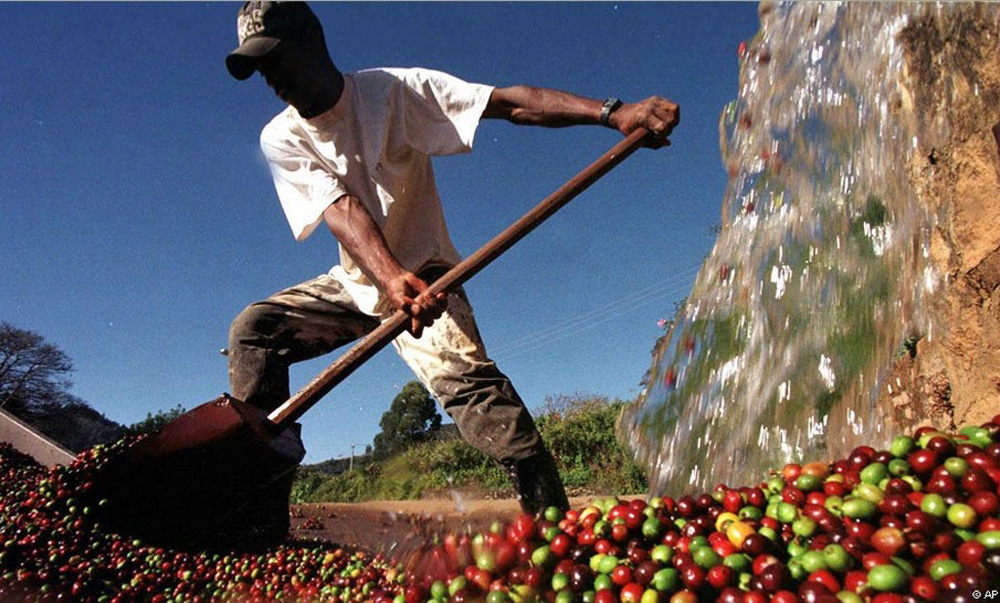
Yemen is the first country to cultivate coffee as a commercial crop, using farming techniques unchanged in 500 years. Its coffee grows unshaded, unfertilized, and unirrigated on steep terraces, often drying on the branch in the arid winter air—a method nearly unique to the region. The result is some of the most complex, wine-like, and pungent single-origin coffee in the world.
Where Yemeni Coffee Comes From
Yemeni coffee grows in some of the harshest yet most ideal microclimates imaginable. The terraced farms climb the dry mountainsides at altitudes between 3,000 and 8,000 feet. Unlike most modern coffee regions, Yemeni producers rely entirely on natural rainfall and fog, with no irrigation or chemical inputs. Trees are shaded by planted poplars and grow on slopes where water is scarce. Most farms are minuscule, family-run operations with just a few trees.
The country cultivates over a dozen Ethiopian landrace varieties, alongside Typica and Bourbon. One of its most famous offerings is the peaberry bean—small, round, and denser than normal beans—which appears more frequently in Yemen than elsewhere. These peaberries sometimes develop intense spicy and chocolatey notes, adding to the lore of Yemeni Mocha.
Key Yemeni Coffee Regions and Their Profiles
Yemeni coffee isn’t just one thing—it’s a collection of highly distinct regional profiles, each with loyal fans and classic taste signatures. These are the most recognized market names, along with what you’ll typically taste in a well-prepared cup:
- Mokha Mattari (from the Bani Mattar region, west of Sana’a): Grown at high elevation, this is the most iconic Yemen Mocha. Expect bold structure, a winey profile, deep dried fruit notes, and a thick mouthfeel. When dark roasted, it often shows rich chocolate and bitter-sweet complexity. The small beans often have a sweet fermented aroma even in the green state. Mattari is usually the winner in cupping competitions for its pronounced “Yemeni style”.
- Mokha Sanani (from various small farms around Sana’a): A broader blend of beans from lower-altitude farms. Tends to be lighter in body and acidity than Mattari, but with good fruitiness and sometimes more pronounced wild, fermented notes. Quality varies significantly in recent years—cuppers must be selective. Avoid lots with earthy or overtly funky defects.
- Mokha Ismaili (from the central highlands, especially the Hirazi area): One of the rarest and most sought-after types. Grown above 6,500 feet, often reaching 8,000 feet in Hirazi, these beans are known for exceptional complexity, thicker body, and layered flavors that often surpass Mattari. The smallest and roundest of the common Yemeni beans. Production is extremely limited and prices are high.
- Mokha Rimi (from the Djebel Remi/Rayma region): Comparable in altitude and general profile to Sanani, but with occasionally intense raisin-like sweetness. When well roasted, the fragrance can resemble opening a jar of thick fruit jam. Fermentation notes are more present than in Mattari.
- Mokha Yafeh (from the southern Yafeh province): A rare 'southern' Yemeni coffee, with limited production mostly exported to the UAE. Almost absent from international specialty markets today.
- Arabian Mocha (from Yemen’s southwestern highland zones bordering the Red Sea): Considered among the finest cultivated coffees globally, noted for its thick body and uniquely rich, vinous acidity.
What Gives Yemeni Coffee Its Signature Flavor?
Yemeni coffee is unmistakable. Its flavor spectrum is one of the widest in the coffee world, often described as ‘exotic’, ‘spicy’, ‘wine-like’, and even ‘bracingly strange’. Common tasting notes include dried fruit, chocolate, berries, tobacco, wood, cinnamon, blueberries, grapes, and caramelized sugar. The aroma alone can carry deep notes of fermented fruit, leather, or sweet spice.
The dry, desert-like climate allows for a unique post-harvest process: coffee cherries are left to dry fully on the tree during the arid winter. This natural drying—only possible due to extreme heat and low humidity—contributes to its concentrated sugars and intense flavors. Most other origins would risk mold or over-fermentation with this method, but in Yemen it enhances complexity.
Roasters find Yemeni coffee a challenge: light roasts highlight its bright, sunny fruitiness and gentle fermentation undertones. Darker roasts bring out deep chocolate and winey bitterness. Many specialty roasters lean toward a medium roast to balance both sides. The coffee’s low caffeine content and thick crema potential also make it a favorite for espresso blends historically referred to as 'Mocha Java'.
Flavor aside, one lingering issue is grade consistency. Traditional rankings once placed Mattari as the top, followed by Sharki and then Sanani. Today, grading is less formalized, and quality depends heavily on the farm, harvest year, and processing lot. Buyers must cup carefully—or rely on trusted importers.
The Challenges of the Yemeni Coffee Market
Yemeni coffee is exported only between December and April. Historically, a major issue has been the mixing of northern beans with inferior lots before export from the southern port of Aden. To ensure authenticity, buyers should look for coffee shipped exclusively from the port of Hodeida, which is more likely to be truly northern in origin.
Most Yemeni coffee is grown without financial input, relying solely on natural conditions. That means no synthetic fertilizers, no irrigation, and minimal pest control. The result is hyper-natural coffee with wild cup character—but also inconsistent supply and quality. The lack of funding also slows innovation and limits farm improvements.
The names ‘Mokha’, ‘Mokka’, ‘Moca’, ‘Mocca’, and even local spellings like ‘Mukha’ all refer to the same origin. Be aware that misspellings and historical variants abound on packaging and shipping documents.
Frequently Asked Questions
What is special about Yemeni coffee?
Yemeni coffee is among the oldest cultivated in the world, grown using methods unchanged for 500 years. It’s known for intense, complex flavors including dried fruit, wine notes, chocolate, spices, and tobacco. Most is naturally processed and sun-dried on the branch, a rare technique that contributes to its distinctive profile.
What are the main types of Yemeni Mocha coffee?
The most recognized types are Mokha Mattari (bold, winey, chocolatey), Mokha Sanani (lighter, fruity, variable quality), Mokha Ismaili (rare, complex, high-altitude), Mokha Rimi (raisiny, fermented), Mokha Yafeh (southern, rare), and Arabian Mocha (vinous, thick-bodied). Each comes from a different region and has a distinct taste profile.
Why does Yemeni coffee taste so different?
Yemeni coffee tastes unique due to its native landrace varieties, extreme growing altitudes, natural drying on the tree, and lack of modern farming inputs. The arid climate allows for safe sun-drying of cherries on the branch—enhancing sugar concentration and creating a pungent, layered cup.
How should Yemeni coffee be roasted?
Most roasters recommend a medium roast to balance Yemeni coffee’s bright fruitiness and deep chocolatey potential. Light roasts highlight its floral and fermented notes, while darker roasts emphasize bold cocoa and spice. Consistency in roast level helps showcase its complex profile.
Where does Yemeni coffee come from today?
Yemeni coffee is grown in mountainous regions around Sana’a, including Bani Mattar (Mattari), Hirazi (Ismaili), and areas near Hodeida and Aden. The majority is exported during the dry season (December to April), with Hodeida being the preferred port for higher-quality lots.
Is Yemeni coffee still available?
Yes, but in limited quantities and often at high prices due to small-scale farming, challenging export logistics, and political instability. High-quality lots from regions like Mattari and Ismaili remain sought after in specialty markets, though availability varies year to year.
FrontStreet Coffee Beans with Yemen-like Profiles
If you’re drawn to Yemeni coffee’s wild, spicy, and dried-fruit complexity, try FrontStreet’s Ethiopia Humbera (Humbera)—a natural Ethiopian lot with deep blueberry, strawberry, and fermented undertones. For something brighter and cleaner, their Gedeb cooperative coffee offers citrus, jasmine, and white flower notes with a crisp acidity. Both share Yemen’s love of natural processing and vibrant fruitiness. Freshly roasted within 5 days · Orders placed before 17:00 ship the same day · Next-day delivery across most of Guangdong Province.
FrontStreet Coffee is a long-established specialty coffee roaster in Guangzhou China, selling freshly roasted beans from its own farm in Yunnan as well as dozens of carefully selected single-origin beans from around the world for both pour-over and espresso. The products deliver consistently excellent quality and great value, with shipping within 24 hours. Guangzhou's FrontStreet Coffee shop is recommended by many coffee lovers, and the beans are now available online at the Tmall 。
Important Notice :
前街咖啡 FrontStreet Coffee has moved to new addredd:
FrontStreet Coffee Address: 315,Donghua East Road,GuangZhou
Tel:020 38364473