
"Jima"
674 article(s) found

Where is the production area of Sidamo, Ethiopia? the flavor description of coffee beans introduces the characteristics of taste varieties.
Where is the coffee bean in the Sidamo region of Ethiopia? the flavor description of the coffee variety introduces that it grows in the plateau of Western Ethiopia at an altitude of 4900-5900 feet (Wollega province), north of Jima, most of which are wild, with an annual output of about 500000bags/60kg, and most of them are exported to G5/G4. The bean body is larger and longer than Longberry, with a little brown in green, similar to the smell of jasmine tea and bitter.

Introduction of coffee bean producing areas in Ethiopia
Growing in the western highlands of southern Ethiopia (the border of Shewa and Sidmo provinces), east of Jima, north of Sidamo, most Europeans and Americans prefer 3600-6200 feet above sea level, most of them are washed with water, their annual output is about 110000bags/60kg, most of the beans are round (15/16scr), the color is green and bluish, the export is mostly G2 grade, the taste is similar to Yegashev, but the viscosity is simple.

Introduction to the Origin of Ethiopian Coffee
Growing in the western highlands of southern Ethiopia (the border of Shewa and Sidmo provinces), east of Jima, north of Sidamo, most Europeans and Americans prefer 3600-6200 feet above sea level, most of them are washed with water, their annual output is about 110000bags/60kg, most of the beans are round (15/16scr), the color is green and bluish, the export is mostly G2 grade, the taste is similar to Yegashev, but the viscosity is simple.

Flavor description of Ethiopian Coffee Manor with excellent texture introduction of varieties in producing areas
Growing in the southernmost Ethiopian plateau at an altitude of 4600-7200 feet (Sidamo province), southeast of Jima, just south of the capital, usually sweet, but also loved by most people, its annual output is about 225000bags/60kg, bean body is smaller than Longberry, green with ash, in the Sidamo sun drying field, coffee is placed in a hemp net wooden frame, workers take turns in the sun exposure, manual

Ethiopia where coffee beans are produced Brand flavor Manor production area introduction
Ethiopian coffee grows in the plateau of western Ethiopia at an altitude of 4900-5900 feet (Wollega Province), north of Jima. Most of it is wild, with an annual yield of about 500000bags/60kg. Most of the exports are G5/G4. The beans are larger and longer than Longberry. The green color is a little brown. The taste is similar to jasmine tea. It is bitter, lacks the rising hala, slightly sour, and has a slight fruit fragrance and wine fragrance.

An introduction to the characteristics of the pure Ethiopian Sidamasha Chiso coffee flavor manor.
Coffee is Ethiopia's main economic crop and the country's largest crop export and important industry. It accounts for 60% of Ethiopia's total export value and supports many small farms, as well as sugar, bananas and cotton. It is also Ethiopia's largest and important commodity export crop after oil, and it is also the largest export of Elaraby in Africa, in 1997.

Introduction to the characteristics of several major coffee producing areas in Ethiopia: the name of the manor, the description of flavor, the degree of grinding
Ethiopian coffee grows on the plateau of western Ethiopia at 4900-5900 feet (Wollega province) above sea level, north of Gima, mostly wild, with an annual output of about 500000bags/60kg, mostly exported by G5/G4, with beans larger and longer than Longberry, brownish in green, similar to less jasmine tea, more bitter, lack of rising Hara, slightly sour, slightly fruity and wine.

Coffee Flavor Description Grind Taste Characteristics Variety
It grows in the southern Ethiopian plateau at an altitude of 5,700 - 7,800 feet, located in the northwest of Sidamo Province, near Abaya Lake. It is usually sweeter and more popular than most people. It produces about 225000bags/60kg per year. The beans are smaller than Longberry, greenish and grayish in color. Most of them are washed. In the washing plant, the coffee fruits are fermented in storage tanks filled with water after harvest. Workers

Introduction to the flavor and taste of washed Sidamo Coffee introduction of Sidamo Lion King Coffee producing area
Coffee is Ethiopia's main economic crop and the country's largest crop export and important industry. It accounts for 60% of Ethiopia's total export value and supports many small farms, as well as sugar, bananas and cotton. It is also Ethiopia's largest and important commodity export crop after oil, and it is also the largest export of Elaraby in Africa, in 1997.

Flavor description of Ethiopian Sidamo Chiso Coffee A brief introduction to the planting of the Manor production area
There are several other coffee cooperation organizations in Gima, where members share water and fertilizers, and few members are deprived of their wages under their organizations and provide health insurance for each member. There are about 21000 hectares of state-owned farms, and there are five large farms located in TEPI and BEBEKA. The area is near Gima, but most of them belong to lower areas, and each single farm is at least

Coffee boutique study six kinds of world-famous Ethiopian coffee
1. Limu coffee grows between 1400 meters and 2000 meters above sea level. Wash the coffee. Excellent quality, with strong nut aromas, suitable acidity, with the intensity of wine. The annual output is 29000 tons. 2. Jima Coffee grows between 1400 and 1800 meters above sea level. Sun-baked coffee. Slightly sour, with nutty aromas and a long finish. The annual output is 70000 tons. 3. Growth of Gamby Coffee
Boutique Coffee six kinds of world-famous Ethiopian coffee
1. Limu coffee grows between 1400 meters and 2000 meters above sea level. Wash the coffee. Excellent quality, with strong nut aromas, suitable acidity, with the intensity of wine. The annual output is 29000 tons. 2. Jima Coffee grows between 1400 and 1800 meters above sea level. Sun-baked coffee. Slightly sour, with nutty aromas and a long finish. The annual output is 70000 tons. 3. Growth of Gamby Coffee

Ethiopian Coffee Flavor Ethiopian cultivation
The unique flavor of coffee from Lekempti, Jima and Cedamo beans are not pleasant in appearance, but taste very good. One of the rarest Ethiopian coffee beans on the market is Ilgachafi, which is exported to Japan and Europe but is rarely seen in the United States. This is because German coffee roasting, which is owned by Nestl
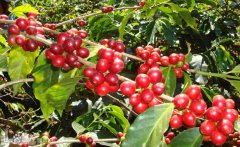
Kimby-Ethiopia Fine Coffee Beans
Ghimbi grows in the plateau of Wollega province, north of Jima, west Ethiopia, 4900-5900 feet above sea level. Its annual yield is about 500000bags/60kg. Its export is mostly G5/G4. Its bean body is bigger and longer than Longberry, with a little brown in green color. It tastes like less jasmine tea fragrance, more bitter, lacking rising hala, slightly sour, with slight fruit fragrance and wine fragrance.
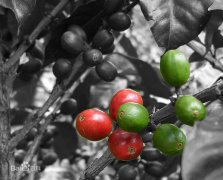
Sidamo Coffee Africa
Sidamo grows in the southernmost Ethiopian plateau at an altitude of 4600-7200 feet (Sidamo province), southeast of Jima, just south of the capital, usually with obvious sweetness and favored by most people. its annual output is about 225000bags/60kg, with beans smaller than Longberry and greenish in green. in Xidamo's sun drying field, coffee is placed in hemp net wooden racks, and workers take turns in the sun.
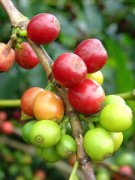
One of the ingredients of synthetic beans, Jinbi coffee, fine coffee.
Ghimbi grows in the plateau of Western Ethiopia at 4900-5900 feet (Wollega province) above sea level, north of Jima, mostly wild, with an annual output of about 500000bags/60kg, mostly exported by G5/G4, beans larger and longer than Longberry, brownish in green, similar to less jasmine tea, more bitter, lack of rising Hara, slightly sour, slightly fruity and slightly inferior to wine.
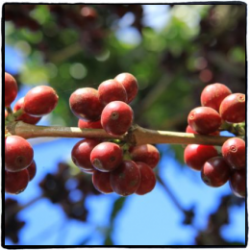
Finchewan cooperative Vina goo Ethiopia boutique coffee Yega Sheffield Sidamo
There are many water treatment plants on the main roads of coffee producing areas, especially in Jima area, and a large number of treatment plants are not fully utilized because of the fierce competition, so the person in charge of the treatment plant pays higher prices to farmers, but worries about whether they can make a profit. Nowadays, a kilogram of raw beans is usually sold for about 2 Birr (Ethiopian units).

Coffee beans introduce six kinds of world-famous Ethiopian coffee
1. Limu coffee grows between 1400 meters and 2000 meters above sea level. Wash the coffee. Excellent quality, with strong nut aromas, suitable acidity, with the intensity of wine. The annual output is 29000 tons. 2. Jima Coffee grows between 1400 and 1800 meters above sea level. Sun-baked coffee. Slightly sour, with nutty aromas and a long finish. The annual output is 70000 tons. 3. Growth of Gamby Coffee

General knowledge of boutique coffee six kinds of world-famous Ethiopian coffee
1. Limu coffee grows between 1400 meters and 2000 meters above sea level. Wash the coffee. Excellent quality, with strong nut aromas, suitable acidity, with the intensity of wine. The annual output is 29000 tons. 2. Jima Coffee grows between 1400 and 1800 meters above sea level. Sun-baked coffee. Slightly sour, with nutty aromas and a long finish. The annual output is 70000 tons. 3. Growth of Gamby Coffee
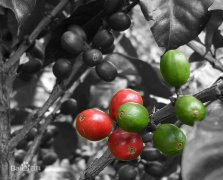
Gold is longer than West Ethiopia, and it is a material that many bakers like to use as comprehensive beans.
Ghimbi grows in the plateau of Western Ethiopia at 4900-5900 feet (Wollega province) above sea level, north of Jima, mostly wild, with an annual output of about 500000bags/60kg, mostly exported by G5/G4, beans larger and longer than Longberry, brownish in green, similar to less jasmine tea, more bitter, lack of rising Hara, slightly sour, slightly fruity and slightly inferior to wine.