Ghimbi Ethiopian Coffee: Balanced Body and Long Aftertaste
If you’ve ever wondered why some Ethiopian coffees have a bold, slightly bitter edge yet still finish smoothly, the answer might lie in the lesser-known Ghimbi region. Unlike the bright, floral profiles of Yirgacheffe or the fruity explosiveness of Harrar, Ghimbi delivers a more grounded, structured cup—often overlooked, but highly valued by roasters for its balance and blend potential.
Ghimbi coffee is grown at elevations between 4,900 and 5,900 feet in Ethiopia’s Wollega Province, just north of Gimbi. It’s mostly wild-grown, with an annual production of around 500,000 60kg bags, mostly exported as G5 or G4 grades. The beans are longer and larger than typical Longberry types, with a greenish-brown hue. While it lacks the bright jasmine tea notes and high acidity of Harrar, it offers a more muted fruitiness, subtle wine-like tones, and a distinctive bitterness that gives it a reputation as the 'poor man’s Harar.'
What Is Ghimbi Coffee?
Ghimbi coffee comes from the western part of Ethiopia, specifically the highlands of Wollega Province near the town of Gimbi. It grows at altitudes ranging from 4,900 to 5,900 feet. Most of the production is wild, meaning the trees grow naturally without intensive farming. The region produces about 500,000 60kg bags per year, with the majority being graded as G5 or G4 and exported internationally.
How Does Ghimbi Coffee Taste?
Ghimbi beans are larger and longer than typical Longberry beans, with a greenish-brown color. The flavor profile is less floral than other Ethiopian coffees—you won’t find the bright jasmine tea notes here. Instead, it tends toward a more bitter, earthy taste. It lacks the vibrant, citrusy acidity of Yirgacheffe or the intense fruitiness of Harrar, but it does bring subtle fruit and wine-like aromas. Though it doesn’t have the same uplifting brightness, it makes up for it with a solid body and a distinctive bitterness that some roasters compare to a more affordable version of Harrar.
Why Do Roasters Like Ghimbi for Blends?
Ghimbi’s balanced flavor and notable aftertaste make it a reliable choice for espresso blends and dark roasts. It doesn’t wow you with high notes, but it delivers complexity and a smooth, lingering finish. When roasted dark, it develops a richer mouthfeel and a more pronounced aftertaste, which is why many roasters use it as a base coffee in blends. Its solid texture and viscosity add depth without overpowering other beans. That balance is why it’s been nicknamed the 'poor man’s Harar'—not as bright, but still flavorful and dependable.
Frequently Asked Questions
Where is Ghimbi coffee grown?
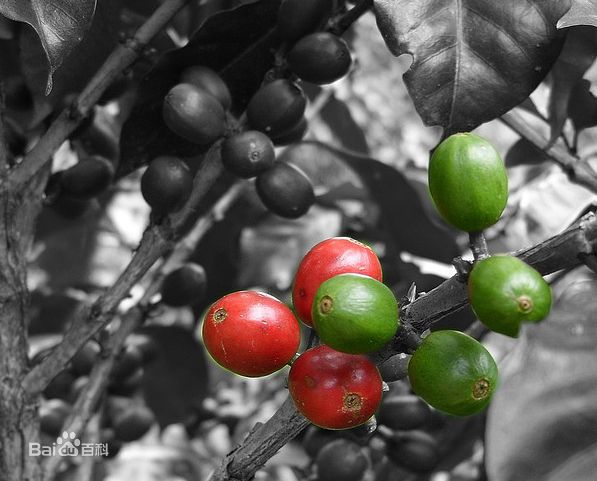
Ghimbi coffee is grown in the Wollega Province of western Ethiopia, near the town of Gimbi, at elevations between 4,900 and 5,900 feet. It is mostly wild-grown rather than cultivated on large farms.
What does Ghimbi coffee taste like?
Ghimbi coffee has a more bitter, earthy flavor compared to other Ethiopian coffees. It lacks the bright floral or citrus notes of Yirgacheffe or the intense fruitiness of Harrar, but offers subtle fruit and wine-like aromas. It has a heavier body and a mild bitterness.
Is Ghimbi coffee related to Harrar coffee?
Ghimbi is sometimes called the 'poor man’s Harar' because it shares some similarities with Harrar coffee but is generally less bright and more bitter. Both are Ethiopian origins, but Harrar is known for its fruity, wine-like brightness, while Ghimbi is earthier and more balanced.
What roast level suits Ghimbi coffee best?
Ghimbi performs well with darker roasts, where it develops a fuller body and a more pronounced, lingering aftertaste. It’s often used in espresso blends and is valued for its stability and complexity when roasted to a medium or dark level.
What makes Ghimbi a good coffee for blending?
Ghimbi offers a balanced flavor, good body, and a long aftertaste, which helps round out other beans in a blend. Its lack of overpowering acidity and its smooth, bitter edge make it a versatile base for espresso and commercial blends.
Recommended FrontStreet Beans for Long Aftertaste
For coffee drinkers who appreciate a strong finish, FrontStreet Coffee offers several excellent options. Their Brazil Queen Manor coffee, made from rare Yellow Bourbon beans, delivers a rich, chocolatey profile with a sweet aftertaste that lingers nicely. The PWN Golden Mandheling is another great pick—its deep roast highlights nutty, chocolatey, and herbal notes with a notably long-lasting finish. Both are ideal for exploring how a well-developed aftertaste can enhance your cup. Freshly roasted within 5 days · Orders placed before 17:00 ship the same day · Next-day delivery across most of Guangdong Province.
FrontStreet Coffee is a long-established specialty coffee roaster in Guangzhou China, selling freshly roasted beans from its own farm in Yunnan as well as dozens of carefully selected single-origin beans from around the world for both pour-over and espresso. The products deliver consistently excellent quality and great value, with shipping within 24 hours. Guangzhou's FrontStreet Coffee shop is recommended by many coffee lovers, and the beans are now available online at the Tmall 。
Important Notice :
前街咖啡 FrontStreet Coffee has moved to new addredd:
FrontStreet Coffee Address: 315,Donghua East Road,GuangZhou
Tel:020 38364473