
"Jinbi"
165 article(s) found

The Sidamo Coffee production area on the Ethiopian Plateau introduces boutique coffee.
Djimmah, which accounts for about 50 per cent of Ethiopia's annual output, grows between 4400 and 6000 feet above sea level in the country's southwestern highlands (the border between Kaffa and Illubabor provinces) and is usually exported to G5/G4. However, in recent years, about 10% or 20% of Gima has been used to make up for the lack of taste of coffee, but its quality has gradually declined to the water it should have.
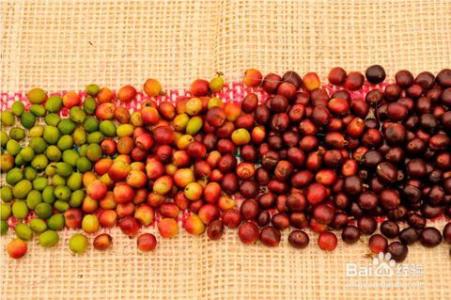
Flavor description of Ethiopian Yejia Coffee Coffee the characteristics of varieties produced by taste treatment
Ethiopia Yega Snow Coffee Flavor description the regional characteristics of the variety produced by the method of taste treatment Ethiopia is an important coffee producing country with about 12 million people engaged in coffee production and is a major exporter of Arabian coffee beans in Africa. The high-quality coffee here is of excellent quality and is worth looking for. A variety of coffee cultivation methods can be found in Ethiopia: from wild coffee forests and

Introduction to the production areas of varieties and grades of Russian Giema Coffee beans exposed to the sun
Growing in the southern western highlands of Ethiopia (border between Shewa and Sidmo provinces), east of Gima and north of Sidamo, it is preferred by most Europeans and Americans at an altitude of 3600-6200 feet. Its annual output is about 110000bags/60kg, and most of the beans are round (15/16scr). The color is green with blue in color.

Introduction to the characteristic varieties of Ethiopia's Xida Motede Manor with unique flavor
The unique fragrance of Yirgacheffe comes from Yirga, a small town in the northwest of Sidamo province. Yirgacheffe coffee raw bean is one of the most distinctive coffee in the world. It is rare and expensive. It is produced in the plateau of Ethiopia's Sidamo province, which is 2000 meters above sea level. It is an outstanding washed coffee in Africa.

The Development History of Coffee in China Coffee Culture in Kunming
In 1910, the small train of the Yunnan-Vietnam Railway drove into Kunming, and many foreigners who came to Kunming for the first time found that there were authentic western restaurants. When the railway was under construction, some French and Vietnamese catering people had already seen the business opportunities of western food in Kunming and took the lead in entering Kunming. However, according to the records, these western restaurants are trying to make a lot of money, and everyone eats.

Where is the coffee produced in Africa? the characteristics of coffee in Ethiopia Yega snow coffee producing area.
Professional coffee knowledge exchange more coffee bean information please follow the coffee workshop (Wechat official account cafe_style) front street-Africa Yega snow coffee producing area introduction to Africa, people's first impressions are: desert, drought, tribe, poverty, mystery and so on. Because of its climatic environment, it has become a paradise for the growth of coffee trees. The world's first coffee tree grew in the Horn of Africa.

Coffee common sense coffee is still fragrant in Kunming
In 1910, the small train of the Yunnan-Vietnam Railway drove into Kunming, and many foreigners who came to Kunming for the first time found that there were authentic western restaurants. When the railway was under construction, some French and Vietnamese catering people had already seen the business opportunities of western food in Kunming and took the lead in entering Kunming. However, according to the records, these western restaurants are trying to make a lot of money, and everyone eats.

Introduction to the taste of Ethiopian rose Lim G1 washed boutique coffee bean hand-made flavor in the new season of 2022
For more information on coffee beans, please follow the coffee workshop (Wechat official account cafe_style) Ethiopia is one of the major producers of Arabica coffee in Africa and produces the best Arabica coffee in the world. It is said that coffee is the most popular among shepherds in Essekafa.

Characteristics of several major coffee producing areas in Ethiopia introduction of varieties describing the flavor of manor beans
Ethiopian coffee bean flavor description taste Yilu Babo (bulk commercial bean producing area): 1350-1850 above sea level | Forest / semi-forest coffee system | this area is located in the west of Ethiopia, bordering Sudan, and is the most convenient producing area in the west. the complexity of coffee gene is only lower than that in Kafa forest, and the bean grain is significantly larger than Yerjasuffi and Sidamo, with low acidity and good viscosity.

Introduction to the long flavor description of Ethiopian coffee in Huigan, the taste characteristics of grinding degree and the variety production area.
However, in recent years, about 10% or 20% of Gima has been used to make up for the lack of taste of coffee, but its quality has gradually declined to its own level, but there are bipolar comments on coffee buyers (my friend only uses Gima as the base of espresso in his store, and its strong flavor surprises me).

Introduction to the characteristics of several major coffee producing areas in Ethiopia: the name of the manor, the description of flavor, the degree of grinding
Ethiopian coffee grows on the plateau of western Ethiopia at 4900-5900 feet (Wollega province) above sea level, north of Gima, mostly wild, with an annual output of about 500000bags/60kg, mostly exported by G5/G4, with beans larger and longer than Longberry, brownish in green, similar to less jasmine tea, more bitter, lack of rising Hara, slightly sour, slightly fruity and wine.
Where is the best coffee produced in Africa? the aroma of flowers and fruits in Ethiopia Yega snow coffee producing area.
Professional coffee knowledge exchange more coffee bean information please follow the coffee workshop (Wechat official account cafe_style) front street-Yega snow coffee introduction to Africa, people's first impressions are: desert, drought, tribe, poverty, mystery and so on. Because of its climatic environment, it has become a paradise for the growth of coffee trees. The world's first coffee tree was found in the Horn of Africa.

Introduction of Grinding degree of Coffee Flavor description and treatment in Xidamo Chiso producing area of Ethiopia
Even the official research unit of Ethiopia does not know how many Arabica subspecies there are in Ethiopia. The coffee cooperatives in this mountain are certainly different from those planted in another mountain, and even small farmers in the same region grow different varieties of coffee. It has been estimated that there are at least 2000 varieties of Ethiopian coffee and even more than 4500 kinds of coffee. Compared to the southern neighbor

Introduction to the flavor description and taste characteristics of Ethiopian Yega Fishi Dama coffee
Yega Sidamo Coffee Coffee from Ethiopia describes the taste characteristics of Yega Sidamo Coffee Variety introduction: if you like the unique orange fruit aroma, light and mild taste, you can choose the light baked Yega Coffee Yirgacheffe, which will produce beans at the end of the first explosion; if you pay attention to the richness, thickness and consistency of the taste

Flavor characteristics of all coffee bean producing areas in Ethiopia how much is a cup of Ethiopian coffee
Professional coffee knowledge exchange more coffee bean information please follow the coffee workshop (Wechat official account cafe_style) Jinma (bulk commercial bean producing area): 1350 to 1850m above sea level | Forest / semi-forest system | Jinma is the capital of Kafa forest or Kafa province. The English spelling is very messy, most of the maps are jimma, but the coffee sacks are spelled into Djimmah. This is Esseobi.

Introduction to the types of coffee in Yunnan and the quality of Yunnan small-grain coffee
Follow the caf é (official Wechat account vdailycom) and found that the beautiful cafe opened a small shop of its own. Yunnan coffee varieties are all Arabica coffee beans grown in Yunnan. The varieties were first introduced in 1892 in Zhukula area, Pingchuan Town, Binchuan County, Dali Prefecture, Yunnan Province. Arabica Bourbon and Arabica Tippica coffee beans were introduced to Kenya in 1991.

Coffee Flavor Description Grind Taste Characteristics Variety
It grows in the southern Ethiopian plateau at an altitude of 5,700 - 7,800 feet, located in the northwest of Sidamo Province, near Abaya Lake. It is usually sweeter and more popular than most people. It produces about 225000bags/60kg per year. The beans are smaller than Longberry, greenish and grayish in color. Most of them are washed. In the washing plant, the coffee fruits are fermented in storage tanks filled with water after harvest. Workers

An introduction to Sumatra Coffee Manor, a boutique coffee bean producing area in Ethiopia
Growing in western Ethiopia, 4900-5900 feet (Wollega province) plateau, north of Jima, mostly wild, annual output is about 500000bags/60kg, export is mostly G5/G4, bean body is larger and longer than Longberry, a little brown in green, taste similar to less jasmine tea, more bitter, lack of rising Hara, slightly sour, slightly fruity and wine aroma, but slightly inferior to Hara.

What are the unique flavor and taste characteristics of Ethiopian coffee beans in Ethiopia?
Yega Xuefei (boutique producing area): 1800-2000 meters above sea level | Pastoral Coffee system | Yega Xuefei is affiliated to the Sidamo producing area, so it is separated separately because of its unique flavor. In addition to the small town of Yega Xuefei, it also includes three by-product areas around Wenago, Kochere, Gelena and Abaya. It happens to be on the edge of the East African Rift Valley, and the terrain is complex. From

Flavor Description of Yega Shefi Sidama Coffee Bean Variety Treatment Manor Introduction
The coffee growing area of Ethiopia is divided into two halves due to the Great Rift Valley, resulting in different coffee forms on both sides. In the east, there are Harar, thin and pointed beans, long body and short body, and exquisite varieties such as Sidama and Yega Shefi in the east; while in the west, the varieties are more complex, and the west is divided along East Africa.