
"Limmu"
252 article(s) found

Prospects of Jima Coffee Industry in Ethiopia the growth environment of Jima coffee beans
For more information on coffee beans, please follow Coffee Workshop (official Wechat account cafe_style) harvesting Coffee in Southwest Ethiopia. The partner of the Limmu Coffee Farm-the largest modern coffee plantation in Ethiopia-grows coffee in the highlands of southwestern Ethiopia near the town of Jimma. More than 75% of coffee is grown in the shade of trees

Ethiopian Burka Gudina Farm Coffee Introduction Ethiopian Coffee Bean Flavor Features
Professional coffee knowledge exchange More coffee bean information Please pay attention to coffee workshop (Weixin Official Accounts cafe_style) Burka Gudina Farm This coffee comes from Burka Gudina Farm, which is located in Jimma area of western Oromia Highlands in Ethiopia. This farm is located in Limmu Kossa Woreda, the soil is fertile, the coffee trees grow completely in the shade, there is no
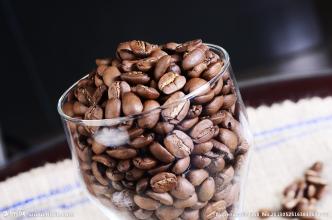
Flavor description of Ethiopian Candle Coffee Bean introduction to the regional treatment of varieties
Flavor description of Ethiopian Candle Coffee beans in the field of boutique coffee, there are also five other small places, namely Lim, Gemma, Lakamputi, Bebeca and Limmu, Djimmah, Lekempti, Bebeka and Wolega. The most common coffee is Essidamo or Harald (Either Sidamo or Harr).

The grade flavor of Ethiopian coffee
Essel coffee is processed by two processing methods: sun and water washing. The flavor of coffee processed by different processing methods is very different. Generally speaking, the alcohol thickness and soil taste of washed Sidamo, Yirgacheffe and Limmu coffee are slightly lower, and the taste of sun-processed coffee is more wild. But Ethiopian coffee may taste different from batch to batch, which requires more cup tests before it can be found.

Ethiopia Harald G4 | EthiopiaHarrar Grade4 African raw bean production
Ethiopian Harald G4 | EthiopiaHarrar Grade4 Harald coffee is cultivated between altitude 1800m2500m by natural drying and exported to countries around the world through the city of Dire Dawa. Because of its high popularity and low production, the price is high relative to its grade, and it is one of the most beloved premium coffee in the world. Rich
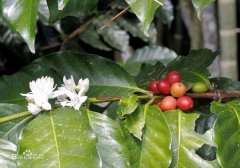
Ethiopian Harald G4 | Harald coffee is dried naturally.
Ethiopian Harald G4 | EthiopiaHarrar Grade4 Harald coffee is cultivated by natural drying between 1800m and 2500m above sea level and exported to countries around the world through the city of Dire Dawa. Because of its high popularity and low production, the price is high relative to its grade, and it is one of the most beloved premium coffee in the world.

Introduction of coffee beans in Ethiopia
In the field of boutique coffee, there are also five other small places of coffee, namely Lim, Gemma, Le Campdi, Becca and Limmu, Djimmah, Lekempti, Bebeka and Wolega. The most common is Essesidamo or Harald coffee (Either Sidamo or Harrar coffee). Harald Coffee (HarrarCoffee) is made in Essex.

Ethiopia Harald G4 rich texture and unique natural drying method of mocha incense
Ethiopian Harald G4 | EthiopiaHarrar Grade4 Harald coffee is cultivated by natural drying between 1800m and 2500m above sea level and exported to countries around the world through the city of Dire Dawa. Because of its high popularity and low production, the price is high relative to its grade, and it is one of the most beloved premium coffee in the world.

A brief introduction to the grading system of Ethiopian, Ethiopian and Bancimaji coffee beans
In the West, Ethiopian coffee is generally sold on the market as Yega Feixidamo and Harald (Yirgacheffee, Sidamo and Harrar). In the field of boutique coffee, there are also five other small places of coffee, namely Lim, Gemma, Le Campdi, Becca and Limmu, Djimmah, Lekempti, Bebeka and Wolega. What you see most often is
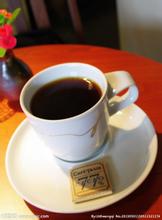
Introduction to the flavor and taste of Ethiopian Arabica coffee
In the field of boutique coffee, there are also five other small places of coffee, namely Lim, Gemma, Le Campdi, Becca and Limmu, Djimmah, Lekempti, Bebeka and Wolega. The most common is Essesidamo or Harald coffee (Either Sidamo or Harrar coffee). Harald Coffee (HarrarCoffee) is made in Essex.

Introduction of Cedamo Coffee Flavor description Taste treatment method Grinding Calibration Variety producing area
Cedamo Coffee Flavor description method Grinding Calibration the taste of the variety is introduced in the field of boutique coffee, as well as coffee from five other small places, namely Lim, Gemma, Lakamputi, Becca and Limmu, Djimmah, Lekempti, Bebeka and Wolega). The most common coffee is Essidamo or Harald (Either Sidamo or).

Description of flavor of Ethiopian Yega Xuefei G2 washing cup introduction of taste varieties
Ethiopian Yega Xuefei G2 washing cup flavor description Origin Ethiopian coffee is processed by two processing methods: sun and water washing, the flavor of coffee processed by different processing methods is very different, generally speaking, the alcohol thickness and soil taste of washed Sidamo, Yirgacheffe and Limmu coffee are slightly lower, and the taste of sun-processed coffee is more wild. But every Essex coffee
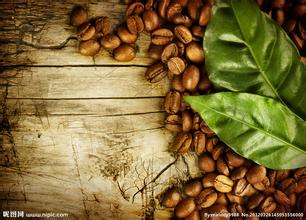
Introduction to Ethiopian Coffee Grade
Grade of Ethiopian coffee: Ethiopian washed coffee Yega Chuefei G1 G2 Sidamo (Yirgacheffe, Sidamo) has the highest grades 2 and 3 (G2, G3), while sun-processed coffee in eastern Ethiopia is mostly grade 4 or 5 (G4, G5). In many cases, level 4 coffee is marked as level 5 in order to reduce taxes. At present, the classification is not uniform and there are
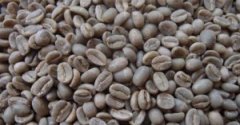
Ethiopian coffee beans, coffee beans
Ethiopia is home to Arabica coffee, and it is in the forests of the Kaffa region that you can see Arabica coffee growing wild. In Ethiopian, coffee is called Bun or Buna, and coffee beans may be translated from Kaffa Bun. Arabica coffee was discovered early in the Harar region, most likely from Karachi.
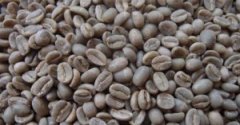
Brief introduction of Coffee from Ethiopia
Lim G2 Ethiopia is the hometown of Arabica coffee, and you can see wild Arabica coffee in the forests of the Kaffa region. In Ethiopian, coffee is called Bun or Buna, and coffee beans (coffee bean) may be translated from Kaffa Bun. Arabica coffee has long been found in the Harald area, which is very accessible.

Ethiopian coffee plantation with unique quality and moderate pH
Harar Coffee is produced in the eastern highlands of Ethiopia. It is medium bean-shaped and large
Ethiopian coffee
Ethiopia is the hometown of Arabica coffee, and it is in the forests of Kaffa that you can see wild Arabica coffee. In Ethiopian, coffee is called "Bun" or "Buna". Coffee beans (coffee bean) may be translated from "Kaffa Bun". Arabica coffee was discovered early in the Harald area.
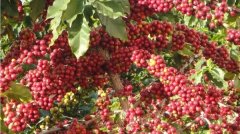
Brief introduction of Ethiopian Coffee
Ethiopia is the hometown of Arabica coffee, and it is in the forests of Kaffa that you can see wild Arabica coffee. In Ethiopian, coffee is called "Bun" or "Buna". Coffee beans (coffee bean) may be translated from "Kaffa Bun".

Introduction of individual Coffee with characteristic Flavor and Taste in Ethiopian Coffee Manor
In the field of boutique coffee, there are also five other small places of coffee, namely Lim, Gemma, Le Campdi, Becca and Limmu, Djimmah, Lekempti, Bebeka and Wolega. The most common is Essesidamo or Harald coffee (Either Sidamo or Harrar coffee). Harald Coffee (HarrarCoffee) is made in Essex.
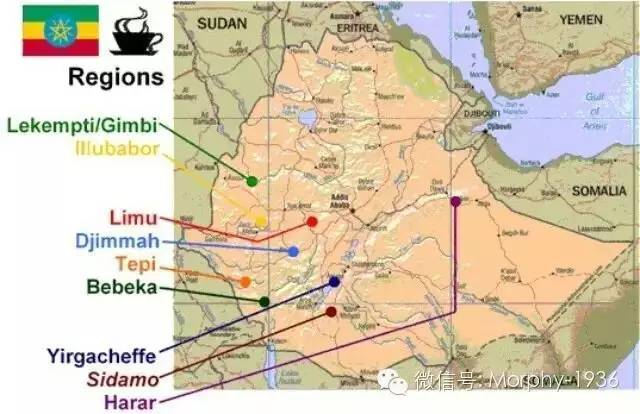
Introduction of boutique coffee beans Ethiopian coffee
Ethiopia is the hometown of Arabica coffee, and it is in the forests of Kaffa that you can see wild Arabica coffee. In Ethiopian, coffee is called Bun or Buna, and coffee beans (coffeebean) may be translated from Kaffa Bun. Arabica coffee was discovered early in the Harald area, probably from Kafa.