Ethiopian Harrar G4: Natural Process Coffee
If you've heard of Harrar coffee but aren't sure what makes it special, you're not alone. This Ethiopian classic is often overlooked despite its bold character—but for coffee enthusiasts, it’s a rediscovered gem. What sets Harrar G4 apart is how it’s processed and where it comes from.
Harrar G4 is a Grade 4 Ethiopian Arabica coffee, grown between 1,800 and 2,500 metres above sea level. It’s processed using the natural (dry) method in the Harrar region and exported primarily through the city of Dire Dawa. Despite its lower production volume, it holds a relatively high grade and commands a premium price due to its global reputation.
What Is Harrar G4 Coffee?
Harrar G4 refers to a grade of Ethiopian coffee grown in the Harrar region. It is classified as Grade 4 under Ethiopia’s coffee grading system, which ranks beans based on size, defect count, and processing quality. The “G” stands for grade, and 4 indicates a mid-tier quality within the specialty spectrum—though Harrar G4 is considered premium compared to many other commercial grades worldwide.
This coffee is cultivated at elevations between 1,800 and 2,500 metres, conditions that lend themselves well to slow cherry maturation and complex flavour development. The beans are processed using the natural (dry) method, where ripe coffee cherries are spread out in the sun to dry with the fruit still attached. This method is labour-intensive and weather-dependent, contributing to Harrar’s limited supply and distinctive cup profile.
Natural Processing: Why It Matters
The natural (or dry) processing method is central to Harrar G4’s signature taste. In this method, freshly harvested coffee cherries are laid out to dry intact—skin, pulp, and all—for several weeks. As the fruit dries, it imparts intense flavours directly into the bean.
This contrasts with the washed (wet) process, where the fruit is removed before drying. Natural processing tends to enhance sweetness, body, and fruity or wine-like characteristics. For Harrar, this means a cup that’s often bold, earthy, and complex—with notes that can resemble blueberry, wine, or spice.
The process requires stable, dry weather and careful turning of the cherries to prevent mould. In Harrar’s climate, these conditions are just manageable, which is part of why production remains relatively small and the coffee remains distinctive.
Flavour Profile of Harrar G4
Harrar G4 is celebrated for its rich texture and pronounced fruity aroma. Key tasting notes often include clear sweetness, deep fruitiness, and a characteristic mocha-like spiciness. The acidity is moderate, supporting a well-rounded mouthfeel and a long, lingering aftertaste.
According to sensory descriptions, Harrar G4 offers:
- Clear sweetness
- Pronounced fruit notes
- Mocha-like aroma
- Moderate acidity
- Full body
- Spicy and sweet aftertaste
These traits make it stand out from the cleaner, brighter profiles typical of washed Ethiopian coffees like those from Yirgacheffe or Sidamo. Harrar’s profile is bolder, wine-like, and often compared to natural-processed coffees from Yemen or parts of East Africa.
Where Harrar Coffee Comes From
Harrar is one of Ethiopia’s oldest and most traditional coffee-growing regions. Located in the eastern part of the country, it lies at altitudes ranging from 1,500 to 3,000 metres. The region has a temperate, winter-dry climate and is predominantly Islamic, with a significant Orthodox Christian population as well.
Ethiopia’s coffee cultivation thrives across several key regions, including:
- Harrar
- Sidamo
- Yirgacheffe
- Limmu
- Djimmah
- Lekempti
- Bebeka
Each region has unique growing conditions that influence the coffee’s flavour. Harrar’s position in the east, with its drier climate and traditional processing methods, gives its coffee a distinctly different personality from the cooler, wetter highland zones like Yirgacheffe or Sidamo.
The harvest season in Harrar typically runs from October to February. The primary coffee species grown is Arabica, including native landraces as well as varieties like Typica, Bourbon, and others.
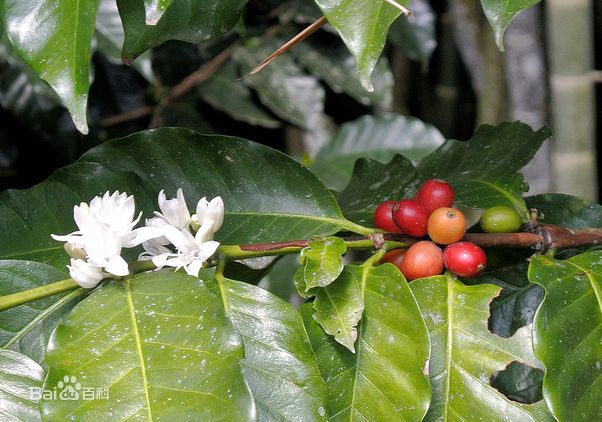
Coffee in Harrar is processed both naturally and, in some cases, washed—but the region is most famous for its dry-processed lots, especially G4-grade Harrar.
Why Harrar G4 Commands Higher Prices
Despite being graded as a G4—mid-tier in Ethiopia’s classification system—Harrar G4 often sells at a premium relative to its grade. This is due to its limited production, strong international recognition, and distinctive flavour profile.
The grade system in Ethiopia ranks beans from G1 (highest) to G5 (lowest), primarily based on physical quality and defect rates. While G1 and G2 are typically reserved for the cleanest, most uniform beans (often washed), G4 encompasses natural-processed beans with slightly more defects but exceptional cup character.
Harrar G4’s reputation for rich, fruity, and wine-like flavours has made it a favourite among specialty roasters and coffee drinkers seeking something beyond the typical bright and acidic Ethiopian profiles. Its lower yield and traditional processing add to its allure and cost.
Frequently Asked Questions
What does G4 mean in Ethiopian coffee grading?
G4 stands for Grade 4 in Ethiopia’s coffee classification system. It indicates a mid-level quality tier, based on factors like bean size, defect count, and processing. While G1 and G2 are higher grades typically used for washed, specialty lots, G4 often includes natural-process beans with more allowable defects but distinctive flavour qualities—like Harrar G4.
How is Harrar G4 coffee processed?
Harrar G4 is processed using the natural (dry) method. Ripe coffee cherries are spread in the sun and dried whole, with the fruit left on the bean. This process enhances sweetness, body, and fruity or spicy flavours, and is more labour-intensive than washed processing.
Where is Harrar coffee grown?
Harrar coffee is grown in Ethiopia’s Harrar region, at elevations between 1,500 and 3,000 metres. The area has a dry, temperate climate and uses traditional farming and processing techniques, particularly for natural-dried coffees.
What does Harrar G4 coffee taste like?
Harrar G4 is known for its full body, rich texture, and bold flavours. Common tasting notes include clear sweetness, fruity character, mocha-like aromas, moderate acidity, and a spicy-sweet finish. It’s often described as wine-like or earthy, different from brighter washed Ethiopians.
Why is Harrar G4 more expensive than other G4 coffees?
Harrar G4 commands higher prices due to its distinctive natural processing, limited production, and globally recognised flavour profile. Though it’s a Grade 4 coffee, its complex cup and traditional methods make it a sought-after specialty bean.
What altitude is Harrar coffee grown at?
Harrar coffee is cultivated at elevations between 1,800 and 2,500 metres, though the broader Harrar growing region ranges from 1,500 to 3,000 metres above sea level.
Recommended FrontStreet Beans for Natural Process Fans
For drinkers who enjoy the bold, fruity character of Harrar G4, FrontStreet Coffee’s Ethiopia Huakui is a must-try. It’s a washed Ethiopian single origin with bright berry and citrus notes, offering a contrasting yet equally vibrant experience. Another great option is the FrontStreet Gedeb (Gedeb), which highlights Yirgacheffe’s signature floral and citrus profile with a crisp, clean cup. Both beans showcase Ethiopia’s diverse terroirs and processing methods. Freshly roasted within 5 days · Orders placed before 17:00 ship the same day · Next-day delivery across most of Guangdong Province.
FrontStreet Coffee is a long-established specialty coffee roaster in Guangzhou China, selling freshly roasted beans from its own farm in Yunnan as well as dozens of carefully selected single-origin beans from around the world for both pour-over and espresso. The products deliver consistently excellent quality and great value, with shipping within 24 hours. Guangzhou's FrontStreet Coffee shop is recommended by many coffee lovers, and the beans are now available online at the Tmall 。
Important Notice :
前街咖啡 FrontStreet Coffee has moved to new addredd:
FrontStreet Coffee Address: 315,Donghua East Road,GuangZhou
Tel:020 38364473