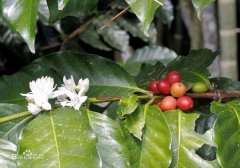
What Rwandan Coffee Tastes Like and How to Buy It
If you’ve ever wondered why some African coffees taste brighter or fruitier than others, or why Rwandan beans often show up in specialty roasters’ lineups despite the country’s small output, you’re not alone. Many coffee drinkers are curious about what sets Rwandan coffee apart—especially those who enjoy clean, juicy profiles without overwhelming brightness.
Rwandan washed Arabica coffee is considered some of the highest-quality in Africa. The country focuses on producing premium beans through careful cultivation and processing, with washed coffees making up the majority. While growing conditions can sometimes rush plant development, the resulting cups are known for their soft, rich flavors and clean cup profile.
What Is Rwandan Coffee?
Rwanda is a small, landlocked country in East Africa, and while its total coffee output isn’t large, it has built a reputation for producing high-grade washed Arabica. Most of Rwanda’s coffee comes from the southern and western regions, where volcanic soils, consistent rainfall, and cool highland climates create ideal conditions for coffee cultivation. The elevation across most coffee-growing areas is similar, which is why flavor variation between regions tends to be minimal.
How Rwandan Coffee Develops Its Flavor Profile
The country’s fertile, volcanic soil and tropical highland climate help coffee trees grow vigorously. However, this rapid growth can sometimes prevent beans from fully developing the complexity found in slower-maturing crops. Still, Rwandan coffee is consistently praised for its soft, rich mouthfeel and clean acidity. Flavors often include bright citrus and berry notes, backed by deeper tones of almond, brown sugar, and chocolate—all achieved without heavy roast character.
The key to this balance lies in both terroir and processing. Rwandan coffee farms typically avoid synthetic fertilizers or pesticides, relying instead on natural ground cover and traditional composting methods. This sustainable approach contributes to stable, high-quality production over time.
How Rwandan Coffee Is Processed
Most Rwandan coffee is processed using the washed method, which enhances clarity and cleanliness in the cup. During harvest, farmers handpick only ripe red cherries, which are then delivered to washing stations. There, the cherries undergo rigorous sorting to remove underripe or damaged fruit. The skins are removed, and the beans are fermented in cool water for 12 to 18 hours to break down the mucilage. After fermentation, the beans are thoroughly washed to remove any remaining fruit residue. Drying takes place on raised beds, with workers regularly turning the beans to ensure even exposure to the sun. Careful monitoring continues until the moisture content drops below 14%, ensuring stability for storage and export.
This meticulous processing is one reason Rwandan coffees are known for their bright, clean profiles and lack of fermenty or muddy flavors. The washed method helps preserve the inherent qualities of the bean while removing unwanted fermentation byproducts.
What Rwandan Coffee Tastes Like
Rwandan coffees typically present a cup that is soft and well-rounded, with a medium acidity that highlights citrus, berry, or stone fruit notes. Many Rwandan beans also develop secondary flavors such as almond, dark chocolate, and caramelized sugar. The aftertaste is often smooth and sweet, making these coffees approachable for new specialty drinkers while still offering depth for experienced tasters.
While there’s some regional consistency due to similar growing altitudes, the best Rwandan coffees—often sourced from higher elevations like the southern Nyamasheke region—tend to have a more pronounced and vibrant fruit character, balanced by structured sweetness.
Why Rwandan Coffee Stands Out in Africa
Rwanda has positioned itself as a specialty coffee origin by focusing almost exclusively on producing high-quality beans rather than large quantities. The country’s post-genocide agricultural rebuilding efforts included strong support for coffee farming improvements, emphasis on washing station infrastructure, and training for farmers on processing and quality control. These factors, combined with ideal growing conditions, allow Rwanda to punch above its weight in the global specialty market.

The commitment to washed processing and careful cultivation results in a cup that is clean, consistent, and brightly expressive—traits that define much of Rwanda’s best output.
Frequently Asked Questions
What does Rwandan coffee taste like?
Rwandan coffee typically has a soft, medium acidity with flavors of citrus, berry, or stone fruit. It often includes deeper notes of almond, brown sugar, and chocolate, finishing sweet and smooth. The cup is clean and well-balanced, making it approachable yet layered.
Is Rwandan coffee washed or natural?
Most Rwandan coffee is processed using the washed method, which helps produce a clean, bright cup with clear acidity and minimal fermentation notes. This is the dominant processing style in the country.
Where in Rwanda is the best coffee grown?
The highest-quality Rwandan coffee often comes from the southern regions, particularly around Nyamasheke, which includes high-altitude areas like the South Huye or Southern Province. These regions benefit from rich volcanic soils and cooler temperatures.
Does Rwandan coffee have a lot of variety in flavor?
Flavor variation between Rwandan coffee regions is relatively low due to similar altitudes and growing conditions. However, beans from higher elevations tend to show brighter fruitiness and more pronounced acidity compared to those from slightly lower areas.
How is Rwandan coffee processed?
Rwandan coffee is mostly washed-processed. Ripe cherries are sorted, pulped, fermented for 12–18 hours in cool water, washed to remove mucilage, and then dried on raised beds until moisture levels reach below 14%.
Is Rwandan coffee easy to buy?
Yes, Rwandan coffee is widely available from specialty roasters. Look for washed Rwandan Arabica beans, ideally single-origin and medium-roasted to highlight its bright, clean profile. FrontStreet Coffee offers a notable example with its Rwanda Red Bourbon.
Recommended FrontStreet Beans for Rwandan Coffee Lovers
For a true taste of Rwanda, try FrontStreet Coffee’s Rwanda Red Bourbon. Grown at high altitude in the southern Nyamasheke region and washed processed, it offers bright citrus and berry notes with underlying almond, chocolate, and caramel sweetness. It’s an excellent example of Rwanda’s clean, vibrant cup profile. Freshly roasted within 5 days · Orders placed before 17:00 ship the same day · Next-day delivery across most of Guangdong Province.
FrontStreet Coffee is a long-established specialty coffee roaster in Guangzhou China, selling freshly roasted beans from its own farm in Yunnan as well as dozens of carefully selected single-origin beans from around the world for both pour-over and espresso. The products deliver consistently excellent quality and great value, with shipping within 24 hours. Guangzhou's FrontStreet Coffee shop is recommended by many coffee lovers, and the beans are now available online at the Tmall 。
Important Notice :
前街咖啡 FrontStreet Coffee has moved to new addredd:
FrontStreet Coffee Address: 315,Donghua East Road,GuangZhou
Tel:020 38364473