
"Malaba"
528 article(s) found

High-quality coffee beans from global coffee producing area Rwanda
Rwanda Coffee Global Coffee producer-since the 1920s in Rwanda, Arabica coffee grown in Rwanda (Rwanda) has been famous for its unique fruit sweetness and strong grass aroma. In recent years, the Rwandan government has taken positive measures to vigorously promote coffee production, set up coffee production cooperatives in various places, and give technical guidance and financial support to farmers.

Rwanda is called "the Switzerland of Africa", and Rwanda Malaba is a 100% tree species in Bobang.
The Republic of Rwanda, which is adjacent to Tanzania, Fiji, Uganda and the Congo, is located in the inland plateau of central Africa. Rwanda is known as Africa's Switzerland, green jungle, volcanic ash fertile soil, wild gorilla habitat. Rwanda's natural environment is very suitable for growing coffee and has attracted attention in the international coffee industry. Coffee species in Rwanda
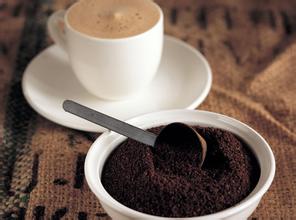
Fine coffee Rwanda Coffee characteristics introduction to Rwanda Coffee
Rwandans have been growing coffee since colonial times, but until 1999, its products were still classified as below Class C and were not popular in the global market. The reason for the poor quality is that farmers do not have a fixed procedure for washing coffee beans and do not process coffee fruits according to specifications in time. Buyers buy coffee beans at $0.33 per kilogram, and farmers keep warm by the meagre profits earned at low prices.

Fine coffee Rwanda coffee manor Rwanda coffee producing area
Rwandans have been growing coffee since colonial times, but until 1999, its products were still classified as below Class C and were not popular in the global market. The reason for the poor quality is that farmers do not have a fixed procedure for washing coffee beans and do not process coffee fruits according to specifications in time. Buyers buy coffee beans at $0.33 per kilogram, and farmers keep warm by the meagre profits earned at low prices.

Special topic on Indian Coffee | report on the brewing of Indian style-stained Malaba
Professional coffee knowledge exchange more coffee bean information please follow the coffee workshop (Wechat official account cafe_style) [monsoon stains Malaba] India Monsooned Malabar country: southern India: Malaba coast in southern India altitude: 1100-1200 m varieties: Kents,S795,Catimor,selection 9 treatment method: wind stains sun treatment method push

Boutique coffee Rwanda coffee flavor red apple, cherry, cinnamon, honey
Rwandans have been growing coffee since colonial times, but until 1999, its products were still classified as below Class C and were not popular in the global market. The reason for the poor quality is that farmers do not have a fixed procedure for washing coffee beans and do not process coffee fruits according to specifications in time. Buyers buy coffee beans at $0.33 per kilogram, and farmers keep warm by the meagre profits earned at low prices.

Fine coffee Rwanda coffee treatment method washing, elevated scaffolding sun drying
Rwandans have been growing coffee since colonial times, but until 1999, its products were still classified as below Class C and were not popular in the global market. The reason for the poor quality is that farmers do not have a fixed procedure for washing coffee beans and do not process coffee fruits according to specifications in time. Buyers buy coffee beans at $0.33 per kilogram, and farmers keep warm by the meagre profits earned at low prices.

Boutique coffee Rwanda coffee producing area in the western province of Lutexilo
Rwandans have been growing coffee since colonial times, but until 1999, its products were still classified as below Class C and were not popular in the global market. The reason for the poor quality is that farmers do not have a fixed procedure for washing coffee beans and do not process coffee fruits according to specifications in time. Buyers buy coffee beans at $0.33 per kilogram, and farmers keep warm by the meagre profits earned at low prices.
Rwanda Coffee
Global coffee producing area-since the 1920s, Rwanda Arabica coffee grown in Rwanda has been famous for its unique fruit sweetness and rich grass aroma. In recent years, the government of Rwanda has taken positive measures to vigorously promote coffee production, set up coffee production cooperatives in various places, and give technical guidance and financial support to farmers, so that coffee production can be achieved.

Karita extract Indian Malaba has the flavor of plum acid, cocoa, nut and cream.
Professional coffee knowledge exchange more coffee bean information please follow the coffee workshop (Wechat official account cafe_style) Coffee production in Asia is second only to Central and South America. India Nicaea has always been the largest coffee producer in Asia, but this situation has changed greatly in recent years. With the assistance of the World Bank, Vietnam's production expanded rapidly and officially squeezed out of Indonesia in 1999 to become Asia.

Rwanda Malaba Bourbon Coffee introduces the Lutesilo producing area in the western province
Malaba Coffee grows in southern Rwanda, about 12 kilometers (7 miles) from the city of Butare and 150 kilometers (93 miles) from the capital, Gejali. The plan began in the Malaba area of Butare province, but was taken over by a local government organization in 2006, which is now part of the Huye district of the southern province. Due to its proximity to the East African Rift Valley and the Neuenway Forest Mountains, the terrain

Special topic on Coffee in India | Flavor characteristics and varieties of Indian style-stained Malaba
Professional coffee knowledge exchange more coffee bean information please follow the coffee workshop (Wechat official account cafe_style) [monsoon stains Malaba] India Monsooned Malabar country: southern India: Malaba coast in southern India altitude: 1100-1200 m varieties: Kents,S795,Catimor,selection 9 treatment method: wind stain sun treatment species

Indian coffee bean brand recommendation _ Indian style stained Malaba coffee tastes good? how much is Indian coffee?
Professional coffee knowledge exchange more coffee bean information please follow the coffee workshop (Wechat official account cafe_style) Indian style-stained Malaba coffee, also known as Indian monsoon coffee (Monsooned Coffee), is inadvertently created a new flavor. In the 17th and 18th centuries, India shipped coffee beans to Europe by sailboat, which took six months, and the raw beans were placed at the bottom of the barn.

Introduction of Lutesilo producing area in the western province of Malaba Coffee Chimel Manor, Rwanda
Malaba Coffee grows in southern Rwanda, about 12 kilometers (7 miles) from the city of Butare and 150 kilometers (93 miles) from the capital, Gejali. The plan began in the Malaba area of Butare province, but was taken over by a local government organization in 2006, which is now part of the Huye district of the southern province. Due to its proximity to the East African Rift Valley and the Neuenway Forest Mountains, the terrain
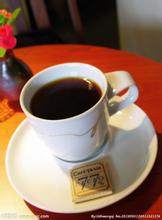
Introduction to Rwanda Malaba Coffee grown in fertile volcanic soil on high-altitude hills
In 2000, the Mayor of Malaba requested development assistance from the National University of Rwanda (UNR), which is located near the city of Butare, and the following year, the National University of Rwanda assisted in the establishment of the Joint strengthening Rwanda Agricultural Partnership (PEARL). PEARL is also supported by several organizations: the United States Agency for International Development (USAID), Michigan State University, Texas A & M University, and
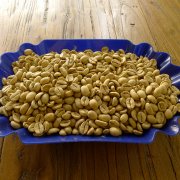
Indian monsoon treatment wind-stained Malaba boutique coffee cooked beans freshly roasted mellow black coffee
Coffee beans details: country: India production area: Malaba coast producer: India local farmers altitude: 3-1100 m treatment method: sun wind stain treatment grade: AA flavor: wheat, walnut wood, Nanyang spice, black honey every May or June, there will be a monsoon phenomenon in southwestern India, exposing raw coffee beans to the caress of the Indian Ocean seasonal sea breeze

What is the monsoon treatment in India? How should I drink the Indian monsoon Malaba coffee?
Professional coffee knowledge exchange more coffee bean information please follow the coffee workshop (Wechat official account cafe_style) when it comes to India, the first thing that comes to mind is curry! But in fact, there are coffee producers in India. There is nothing more typical of Indian coffee than the monsoon-treated Malaba, which also brings a unique flavor to beans. Just baked a furnace of Malaba, today is small

Indian Malaba Monsoon Coffee Story _ South Indian Coffee characteristic Flavor _ how about Indian Coffee
Professional coffee knowledge exchange more coffee bean information please follow the coffee workshop (Wechat official account cafe_style) We should thank nature. It not only gives us the air, water and food on which we live. It occasionally does a trick, giving us unexpected surprises and delicacies that can only be tasted at a particular time and place. ● is like this Indian monsoon Malabaka.

Malaba coffee grown in southern Rwanda Lutechiro, Western Province
Maraba coffee is grown in southern Rwanda, about 12 km (7 mi) from Butare and 150 km (93 mi) from the capital, Gigali. The project began in the Malaba area of Butare province, but was succeeded by local government organizations in 2006, and the area is now part of the Huye region of Southern province. Due to its proximity to the Great Rift Valley and the Nunwe Forest Mountains, the terrain of this zone

Coffee unique to India: Indian Monsoon Malaba Coffee Story _ how much is a pack of Indian coffee beans
Professional Coffee knowledge Exchange more information about coffee beans Please follow the story of Coffee Workshop (official Wechat account cafe_style) dating back to the 19th century, when India was still a British colony. Coffee produced from India is shipped to England. Before the opening of the Suez Canal, it was necessary to make a detour from India to Britain through the Cape of good Hope at the southern tip of Africa, across the Indian Ocean and Great Britain.