
"Marty"
173 article(s) found

Introduction of boutique coffee from El Mercedes Manor Coffee Variety producing area with balanced Taste
The National Assembly of El Salvador adopts a unicameral system, with a total of 84 members, of which 64 are distributed according to the proportion of the population of San Salvador and San Salvador, while the remaining 20 are determined according to the number of votes obtained for a term of three years and can be re-elected. The latest parliament was established in May 2015 and will serve until April 2018, with 35 seats for the Nationalist Republican Alliance, 31 seats for the Marty Front and 31 seats for the people.

Introduction to the method of describing the characteristics of taste and flavor of Salvadoran coffee varieties
In January 1932, local elections began, and a large number of Communist Party candidates were elected, but they were not recognized by the government. The Communist Party of El Salvador decided to launch an uprising on the 22nd, but Martinez discovered it. Immediately ordered the arrest of Communist Party leader Farah Bandomatti. The leaderless peasants, armed with machetes, launched a riot as scheduled, but failed under the crackdown by government forces, which immediately retaliated.

Introduction to the planting environment of Salvadoran Himalayan coffee with deep flavor
The National Assembly of El Salvador adopts a unicameral system, with a total of 84 members, of which 64 are distributed according to the proportion of the population of San Salvador and San Salvador, while the remaining 20 are determined according to the number of votes obtained for a term of three years and can be re-elected. The latest parliament was established in May 2015 and will serve until April 2018, with 35 seats for the Nationalist Republican Alliance, 31 seats for the Marty Front and 31 seats for the people.

Introduction to Renas Manor in El Salvador Coffee Manor Flavor planting Environment
El Salvador was originally inhabited by the Mayan Indians. The scenery of the Republic of El Salvador became a Spanish colony in 1524. Independence was declared on September 15, 1821 and later became part of the Mexican Empire. In 1823 the empire collapsed and El Salvador joined the Union of Central America. The Republic was proclaimed on February 18, 1841 after the disintegration of the Union in 1838.

Introduction to the taste of El Salvador Mercedes Manor coffee with mild sour, bitter and sweet taste
El Salvador's domestic topography is mainly mountainous, plateau, volcanic, known as the country of volcanoes, Santa Ana active volcano 2385 meters above sea level, the highest peak in the country; the northern part of the country is the Lompa Valley and the southern part is the narrow coastal plain. Climatic characteristics all over El Salvador has a tropical climate, with an annual average temperature of 28 ℃; dry season from November to April and rainy season from May to October; coastal and lowland atmosphere

Introduction to the fragrant and authentic Salvadoran Coffee Manor
The national emblem of El Salvador was used on September 15, 1912. The national emblem is an equilateral triangle. The three yellow lines of the triangle represent equality, truth and justice. Five volcanoes rise between the Pacific Ocean and the Atlantic Ocean, symbolizing the five countries in Central America. The pole of freedom and the red cap of freedom stand high on the top of the mountain, radiating the light of freedom and liberation. Jin Guangzhong was on September 15, 1821.

Long aftertaste of El Salvador Mercedes Manor Coffee Flavor and Taste introduction
In January 1932, local elections began, and a large number of Communist Party candidates were elected, but they were not recognized by the government. The Communist Party of El Salvador decided to launch an uprising on the 22nd, but Martinez discovered it. Immediately ordered the arrest of Communist Party leader Farah Bandomatti. The leaderless peasants, armed with machetes, launched a riot as scheduled, but failed under the crackdown by government forces, which immediately retaliated.

Introduction of Martinique Island to the producer of boutique coffee beans
Martinique is a small island and the birthplace of coffee in Central America, but it produces very little coffee today. The first coffee tree in the Western Hemisphere was brought from France by Gabriel Mathieu de Clieu in the early 1820s. In his early years, Dirkley was a naval officer in Martinique. He brought back a coffee tree and planted it in Puri.
Boutique coffee beans knowledge coffee producing area Martinique Island
Martinique is a small island and the birthplace of coffee in Central America, but it produces very little coffee today. The first coffee tree in the Western Hemisphere was brought from France by Gabriel Mathieu de Clieu in the early 1820s. In his early years, Dirkley was a naval officer in Martinique. He brought back a coffee tree and planted it in Pritchell.

The cradle of American coffee in Martinique
Martinique, the cradle of American coffee, is a small island and the birthplace of coffee in Central America, but it produces very little coffee today. The first coffee tree in the Western Hemisphere was brought from France by Gabriel Mathieu de Clieu in the early 1820s. In his early years, Dirkley was a naval officer in Martinique. He brought back a coffee tree and put
The birthplace of coffee in Martinique and Central America.
Martinique is a small island and the birthplace of coffee in Central America, but it produces very little coffee today. The first coffee tree in the Western Hemisphere was brought from France by Gabriel Mathieu de Clieu in the early 1820s. In his early years, Dirkley was a naval officer in Martinique. He brought back a coffee tree and planted it in Pritchell.

The cradle of American coffee in Martinique
Martinique, the cradle of American coffee, is a small island and the birthplace of coffee in Central America, but it produces very little coffee today. The first coffee tree in the Western Hemisphere was brought from France by GabrielMathieudeClieu in the early 1820s. Dirkley was a naval officer in Martinique in his early years. He brought back a coffee tree and put it
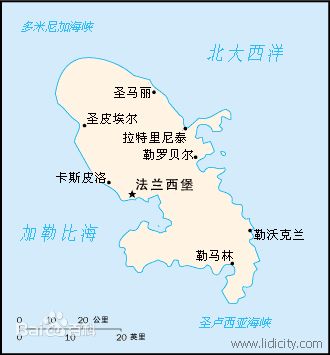
Central American French Martinique Fine Coffee Flavor Martinique Coffee introduced French species
Martinique is a small island and the birthplace of coffee in Central America, but it produces very little coffee today. The first coffee tree in the Western Hemisphere was brought from France by Gabriel Mathieu de Clieu in the early 1820s. In his early years, Dirkley was a naval officer in Martinique. He brought back a coffee tree and planted it in Pu.
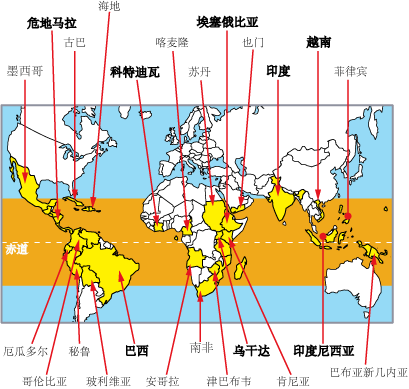
There are 53 coffee producing areas in the world. Martinique Island Coffee.
Martinique, the cradle of American coffee, Martinique is a small island and the birthplace of Central American coffee, but it produces very little coffee today. The first coffee tree in the Western Hemisphere was brought from France by Gabriel Mathieu de Clieu in the early 1820s. In his early years, Dirkley was a naval officer in Martinique.

Introduction to Fine Coffee Bean Manor-- Martinique Coffee from Martinique Coffee
Martinique is a small island and the birthplace of coffee in Central America, but it produces very little coffee today. The first coffee tree in the Western Hemisphere was brought from France by Gabriel Mathieu de Clieu in the early 1820s. In his early years, Dirkley was a naval officer in Martinique. He brought back a coffee tree and planted it in Pritchell.
The flavor of Martinique Coffee Plantation Island Coffee beans
Martinique, the cradle of American coffee, Martinique is a small island and the birthplace of Central American coffee, but it produces very little coffee today. The first coffee tree in the Western Hemisphere was brought from France by Gabriel Mathieu de Clieu in the early 1820s. In his early years, Dirkley was a naval officer in Martinique, and he brought back
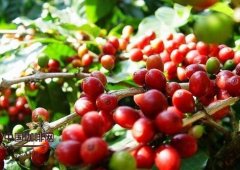
Martinique is an island and the birthplace of coffee in Central America.
Martinique is a small island and the birthplace of coffee in Central America, but it produces very little coffee today. The first coffee tree in the Western Hemisphere was brought from France by GabrielMathieudeClieu in the early 1820s. In his early years, Dirkley was a naval officer in Martinique. He brought back a coffee tree and planted it in Pritchell.
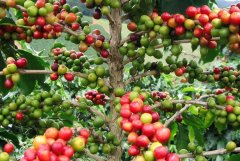
Martinique is an island and the birthplace of coffee in Central America.
Martinique is a small island and the birthplace of coffee in Central America, but it produces very little coffee today. The first coffee tree in the Western Hemisphere was brought from France by GabrielMathieudeClieu in the early 1820s. In his early years, Dirkley was a naval officer in Martinique. He brought back a coffee tree and planted it in Pritchell.
Martinique coffee beans are also the birthplace of coffee in Central America.
Martinique is a small island and the birthplace of coffee in Central America, but it produces very little coffee today. The first coffee tree in the Western Hemisphere was brought from France by GabrielMathieudeClieu in the early 1820s. In his early years, Dirkley was a naval officer in Martinique. He brought back a coffee tree and planted it in Pritchell.

Introduction to the flavor and taste characteristics of El Salvador Himalayan coffee manor with excellent taste balance
El Salvador was originally inhabited by the Mayan Indians. Scenery of the Republic of El Salvador (11 pictures) was colonized by Spain in 1524. Independence was declared on September 15, 1821 and later became part of the Mexican Empire. In 1823 the empire collapsed and El Salvador joined the Union of Central America. The Communist Party of China was declared on February 18, 1841 after the disintegration of the Union in 1838.