The Origins of Coffee in Martinique, Caribbean
You’ve heard of Jamaica Blue Mountain and Hawaiian Kona, but what about Martinique? This small Caribbean island played a pivotal—yet nearly forgotten—role in the birth of coffee in the Americas. If you've ever wondered where the first coffee tree in the Western Hemisphere actually came from, the answer isn’t Brazil or Colombia. It’s Martinique. And its story begins with a single naval officer and a bold act of plant smuggling in the 1720s.
In short: The first coffee tree in the Western Hemisphere was brought to Martinique around 1720 by French naval officer Gabriel Mathieu de Clieu. He planted it in Prechear, and it produced its first harvest in 1726. By 1777, the island had over 18 million coffee trees—but today, coffee is no longer a major crop there.
The Arrival of Coffee in Martinique
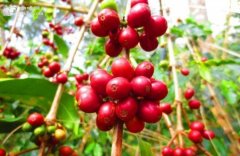
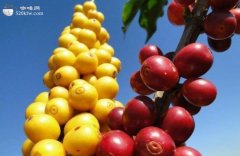
Martinique, a small island in the Caribbean, is the unlikely birthplace of coffee cultivation in the Western Hemisphere. The story begins in the early 1720s, when Gabriel Mathieu de Clieu, a French naval officer stationed in Martinique, managed to transport a single coffee tree from France to the island. De Clieu planted this tree in the region of Prechear. By 1726, it yielded its first harvest, marking the beginning of coffee cultivation in the Americas.
The Spread of Coffee from Martinique
The success of that first coffee tree had far-reaching effects. Coffee cultivation quickly expanded across Martinique, and the island became a launching point for coffee’s introduction to other parts of the Caribbean. Historical records show that coffee plants from Martinique were later introduced to Haiti, the Dominican Republic, and Guadeloupe. This helped establish coffee as a major agricultural product throughout the region during the 18th century.
The Rise and Fall of Martinique’s Coffee Industry
At its peak, coffee was a significant crop on Martinique. Historical data indicates that by 1777, the island was home to 18,791,680 coffee trees. However, over time, various economic, social, and environmental factors led to the decline of coffee farming. Today, Martinique is no longer a notable coffee-producing region. Instead, the island’s main agricultural exports are bananas, sugarcane, and pineapples. The coffee trees that once thrived there now serve more as a historical footnote than an active crop.
What Happened to Martinique’s Coffee Trees?
Though Martinique once had millions of coffee trees, the industry eventually collapsed. There is no single cause for the decline, but factors likely included soil depletion, competition from other crops, shifting economic priorities, and natural disasters. Over time, coffee farming became less viable compared to other exports like bananas and sugarcane, which dominate the island’s agricultural output today.
Why Martinique Matters in Coffee History
Although Martinique no longer produces significant amounts of coffee, its historical importance is undeniable. The island is where the first coffee tree in the Western Hemisphere took root, making it a key chapter in the global history of coffee. For coffee enthusiasts and historians alike, Martinique represents the humble beginnings of a crop that would go on to shape economies and cultures around the world.
Frequently Asked Questions
Where did the first coffee tree in the Americas come from?
The first coffee tree in the Western Hemisphere was brought to Martinique around 1720 by French naval officer Gabriel Mathieu de Clieu. He transported it from France and planted it in Prechear, where it produced its first harvest in 1726.
Who brought coffee to Martinique?
Gabriel Mathieu de Clieu, a French navy officer based in Martinique, introduced the first coffee tree to the island in the early 1720s. He is credited with planting it in Prechear, leading to the first coffee harvest there in 1726.
How many coffee trees were on Martinique by 1777?
By 1777, historical records indicate that Martinique had 18,791,680 coffee trees, showing the scale of its once-thriving coffee industry.
Why is Martinique no longer a coffee-producing region?
Martinique’s coffee industry declined due to a combination of economic shifts, competition from other crops like bananas and sugarcane, environmental factors, and changing agricultural priorities. Today, those other crops dominate the island’s exports.
Is coffee still grown in Martinique today?
No, coffee is no longer a significant crop in Martinique. The island now primarily exports bananas, sugarcane, and pineapples, while its historic coffee trees are a relic of the 18th century.
What role did Martinique play in the history of coffee?
Martinique is historically significant as the origin point of the first coffee tree in the Western Hemisphere. Its early coffee cultivation influenced the spread of coffee farming to other Caribbean islands, helping establish the region’s role in global coffee production.
Recommended FrontStreet Coffee for Martinique History Fans
While Martinique no longer grows coffee, fans of its history might enjoy FrontStreet Coffee’s Ethiopia Huakui—a high-altitude Ethiopian offering with bright citrus, floral jasmine, and sweet blueberry notes—or their Jamaica Blue Mountain-inspired cup profile found in the Panama Huacai, which offers delicate nuttiness, tropical fruit, and smooth chocolate. Both showcase the kind of complex, origin-driven profiles reminiscent of early premium coffees like those first grown in Martinique. Freshly roasted within 5 days · Orders placed before 17:00 ship the same day · Next-day delivery across most of Guangdong Province.
FrontStreet Coffee is a long-established specialty coffee roaster in Guangzhou China, selling freshly roasted beans from its own farm in Yunnan as well as dozens of carefully selected single-origin beans from around the world for both pour-over and espresso. The products deliver consistently excellent quality and great value, with shipping within 24 hours. Guangzhou's FrontStreet Coffee shop is recommended by many coffee lovers, and the beans are now available online at the Tmall 。
Important Notice :
前街咖啡 FrontStreet Coffee has moved to new addredd:
FrontStreet Coffee Address: 315,Donghua East Road,GuangZhou
Tel:020 38364473