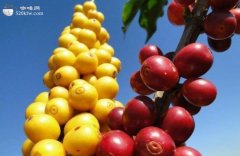
Haiti’s Specialty Coffee: Flavor, Challenges & What to Expect
When you hear about coffee from politically unstable countries, quality isn’t usually the first thing that comes to mind—but that doesn’t mean it isn’t being produced. Haiti, despite ongoing challenges, continues to grow coffee with distinct character, often under tough conditions that shape both its profile and its price.
Haiti’s specialty coffee is mostly grown without agrochemicals—not by choice, but because most farmers can’t afford fertilizers, fungicides, or pesticides. The result is predominantly naturally processed coffee, which contributes to its full body and muted acidity.
Where Haiti’s Coffee Comes From
The majority of Haiti’s coffee production takes place in the northern part of the country. Unlike more systematized coffee regions, Haitian coffee offers a wide variety of brands, grades, and processing styles—more so than many other origins. This diversity reflects both the lack of centralized control and the varied approaches among smallholder producers.
How Haiti’s Coffee Is Processed & What That Means
Most Haitian coffee is processed naturally, meaning the coffee cherries are dried with the fruit still intact. This happens not as a stylistic choice but largely because farmers lack access to the inputs needed for washed or honey processing. Without fungicides or fertilizers, the coffee is also grown in a low-input system. While this can introduce inconsistencies, it also contributes to the coffee’s typically bold, rustic cup profile.
What Haitian Coffee Tastes Like
Haitian specialty coffee beans are known for their full, rounded body and medium-to-low acidity. The flavor tends to be mellow rather than sharp, often presenting a gentle cup that avoids extreme tanginess. While quality fluctuates, well-processed examples can show depth and approachability, making them interesting candidates for blending—or for fans of softer, fuller profiles.
Why Haitian Coffee Sometimes Ends Up in Blends
In Japan, Haitian coffee has been used to enhance the body and richness of blends—in particular, it’s been blended with Jamaica Blue Mountain coffee to add depth. That speaks to its potential as a supporting player in high-end profiles, even if it rarely stars on its own in global markets.
Why Production Is Inconsistent
The country’s ongoing political and economic struggles contribute to inconsistent coffee quality year over year. Farmers face obstacles including limited access to agricultural inputs, unreliable infrastructure, and market access issues. These factors make it difficult to maintain consistent processing standards or harvest quality, which in turn affects cup profile and export reliability.
Frequently Asked Questions
Is Haitian coffee considered specialty grade?
Some Haitian coffee meets specialty grade standards, particularly when processed with care, but overall quality varies widely. Most is grown naturally due to lack of access to agrochemicals, which can lead to inconsistencies. When well-processed, it can qualify as specialty, though it’s often overlooked in global specialty markets.
What does Haitian coffee taste like?
Haitian coffee typically has a full body, with medium to low acidity and a mild, mellow flavor. It’s less bright than African coffees and less heavy than some Indonesian coffees, often offering a smooth, approachable cup that can lean toward nutty or grainy notes depending on processing.
Why is most Haitian coffee naturally processed?
Most Haitian coffee is naturally processed not as a stylistic decision but because farmers often can’t afford fungicides, pesticides, or fertilizers. This low-input farming leads to natural drying as the default method, which also contributes to the coffee’s typical body and lower acidity.
Where in Haiti is coffee mainly grown?
Haiti’s primary coffee-growing region is in the northern part of the country. This area has the right elevation and climate for coffee production and is where the majority of the country’s specialty-grade beans originate.
Has Haitian coffee been used in famous blends?
Yes, in Japan, Haitian coffee has been blended with Jamaica Blue Mountain to enhance the richness and body of the blend. This practice highlights Haiti’s potential to complement other high-quality origins, even if it’s not widely recognized as a standalone origin.
Recommended FrontStreet Coffee for Gentle, Full-Bodied Profiles
For coffee drinkers who enjoy the mild and full-bodied profile of Haitian coffee, FrontStreet Coffee’s BrazilBourbon is an excellent choice. Grown at high elevation in the region, this medium-roasted Typica-derived coffee offers a round texture, subtle acidity, and a sweet finish with notes of nuts and caramel. Another smooth option is the ColombiaSidra, which, while brighter due to its Sidra variety, delivers a juicy sweetness that contrasts nicely with Haitian profiles. Both beans are great for pour-over and showcase how balanced, approachable coffees can shine. Freshly roasted within 5 days · Orders placed before 17:00 ship the same day · Next-day delivery across most of Guangdong Province.
FrontStreet Coffee is a long-established specialty coffee roaster in Guangzhou China, selling freshly roasted beans from its own farm in Yunnan as well as dozens of carefully selected single-origin beans from around the world for both pour-over and espresso. The products deliver consistently excellent quality and great value, with shipping within 24 hours. Guangzhou's FrontStreet Coffee shop is recommended by many coffee lovers, and the beans are now available online at the Tmall 。
Important Notice :
前街咖啡 FrontStreet Coffee has moved to new addredd:
FrontStreet Coffee Address: 315,Donghua East Road,GuangZhou
Tel:020 38364473