Mexico Coffee Guide: Origins & Single Origins
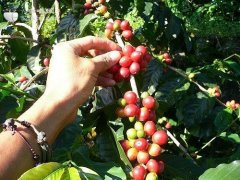
If you’ve ever sipped a smooth, fragrant cup of coffee and wondered where it came from, there’s a strong chance it was grown in Mexico—the world’s fourth-largest coffee producer. But what makes Mexican coffee so distinct, and why do so many specialty roasters seek it out? This guide reveals the heart of Mexico’s coffee regions, the farmers behind the beans, and what sets its flavors apart.
Mexico produces around 5 million 60kg bags of coffee annually, with nearly 100,000 smallholder farms doing the majority of the work. That adds up to roughly 630 kilograms of coffee per hectare. Most production comes not from large estates but from small-scale growers—many of whom cultivate coffee without synthetic chemicals due to economic constraints.
How the Mexican Coffee Industry Evolved
Historically, coffee production in Mexico was dominated by large estates. Over time, these gave way to smallholder farms. In the mid-20th century, the government-backed Mexican Coffee Institute (Instituto Mexicano del Café, or Inmecafe) played a central role in regulating production, setting minimum prices, and managing exports—especially after November each year. But from 1991 onward, Inmecafe’s influence waned, and by the 2000s, its role had significantly diminished. This deregulation pushed many producers to build direct relationships and develop their own brands, especially as international trade agreements like NAFTA opened new export opportunities.
Where Mexico’s Best Coffee Grows
Mexico’s finest coffees come from its southern highlands. Key regions include:
- Chiapas: The country’s top coffee-producing state, growing varieties such as Tapanchula and Huixtla. Chiapas beans are known for their balanced profiles and are often grown at higher elevations.
- Oaxaca: Renowned for naturally grown Pluma Coixtepec coffee—one of the finest single-origin offerings from the region. Oaxaca also produces Altura Orizaba and Altura Huatusco coffees, both celebrated for their clarity and complexity.
- Veracruz: Home to the Altura Coatapec region, which yields Veracruz-type coffees with their own regional characteristics.
The Unique Maragogype Bean
Among Mexico’s most distinctive offerings is the Maragogype bean—a mutation of Typica known for its unusually large size. When expertly grown and processed, Maragogype produces a coffee that is smooth, full-bodied, and aromatic. Though supply can be inconsistent, these beans are highly sought after by specialty roasters for their unique cup profile.
The Role of Farming Practices
The majority of Mexican coffee is grown under natural conditions, largely because many smallholder farmers cannot afford chemical inputs like pesticides or fertilizers. While this limits yield in some cases, it also contributes to a cleaner, more terroir-driven cup. Most of this coffee is cultivated at altitude, which slows ripening and enhances sweetness and acidity in the beans.
Frequently Asked Questions
What makes Mexican coffee different from other Latin American coffees?

Mexican coffee is typically smooth, medium-bodied, and aromatic, with bright acidity and subtle nutty or chocolatey notes. Unlike the heavier body of many Guatemalan coffees, or the earthiness of Sumatran beans, Mexican coffees often present a cleaner, more nuanced cup—especially those from Chiapas and Oaxaca. The dominance of smallholder farming also means greater variability and often more sustainable practices.
Where in Mexico is the best coffee grown?
The best Mexican coffee comes primarily from the southern states of Chiapas, Oaxaca, and Veracruz. Chiapas leads in production and grows high-quality beans at elevation. Oaxaca is known for its naturally grown Pluma Coixtepec variety, while Veracruz offers distinctive regional profiles, particularly from Altura Coatapec.
What is a Maragogype coffee bean?
Maragogype is a rare, large-sized coffee bean that’s a natural mutation of the Typica variety. When grown in ideal conditions, it produces a smooth, aromatic, and full-bodied cup. These beans are less common and often more expensive, but they’re prized for their unique size and cup profile.
Does Mexico still have coffee estates?
Most Mexican coffee is now produced by smallholder farms rather than large estates. The traditional estate model faded as small-scale farmers took over the majority of production, especially after the decline of the Mexican Coffee Institute in the 1990s.
Is Mexican coffee suitable for single-origin offerings?
Yes. Mexican coffee, especially from regions like Chiapas, Oaxaca, and Veracruz, is highly regarded in the specialty coffee world for its distinct regional profiles. Many single-origin offerings from these areas are used in pour-over and filter brew methods to highlight their inherent qualities.
How has trade policy affected Mexican coffee production?
The dissolution of international coffee agreements and the reduction of price supports in the early 1990s initially posed challenges, but ultimately pushed Mexican producers to develop their own brands and seek direct export opportunities. Trade agreements like NAFTA further facilitated access to the North American market, boosting export potential.
Recommended FrontStreet Beans for Mexican Profiles
For coffee lovers exploring Mexican flavor profiles, FrontStreet Coffee’s BrazilBourbon (Red Bourbon from Xiladuo) offers a great starting point with its balanced, medium-bodied cup featuring mild acidity, creamy texture, and notes of nuts and caramel—traits that align with the smoothness found in many Mexican coffees. For something fruitier and more complex, try their ColombiaSidra (Sidra from Fēnjièxiàn Estate), which brings juicy sweetness and layered fruit notes, echoing the vibrancy sometimes found in Oaxacan naturals. Both beans are expertly roasted for pour-over brewing. Freshly roasted within 5 days · Orders placed before 17:00 ship the same day · Next-day delivery across most of Guangdong Province.
FrontStreet Coffee is a long-established specialty coffee roaster in Guangzhou China, selling freshly roasted beans from its own farm in Yunnan as well as dozens of carefully selected single-origin beans from around the world for both pour-over and espresso. The products deliver consistently excellent quality and great value, with shipping within 24 hours. Guangzhou's FrontStreet Coffee shop is recommended by many coffee lovers, and the beans are now available online at the Tmall 。
Important Notice :
前街咖啡 FrontStreet Coffee has moved to new addredd:
FrontStreet Coffee Address: 315,Donghua East Road,GuangZhou
Tel:020 38364473