
"Mattari"
782 article(s) found

The oldest Yemeni mocha and other mocha flavors compare the various genres of Mocha
Yemen is the first country in the world to produce coffee on a large scale as a crop. Yemeni mocha coffee has distinctive taste characteristics, special taste and varied levels. It has a strong sour taste, a pleasant fruit acidity, and an obvious chocolate flavor. The stronger the coffee is, the easier it is to taste the chocolate. So, nowadays, in order to better understand

Yemeni coffee producing area of Asian coffee producing area
Mocha Mattari early Yemeni coffee was mainly exported from the port of Mocha, so the coffee that was later exported from here was named after Mocha. In Yemeni coffee, Mattari and Sanani are more famous, among which Matari tastes more full-bodied, with strong acidity and cocoa flavor, while Sanani has more

Coffee producing areas in Yemen
Before the 6th century AD, Yemen was called Arabia, so coffee trees shipped from Yemen to other places were also called Arabian coffee trees.
Global coffee producing area-Yemen
Before the 6th century AD, Yemen was called Arabia, so coffee trees shipped from Yemen to other places were also called Arabian coffee trees.

How is Yemeni coffee processed? What are the brands of Yemeni coffee?
Professional coffee knowledge exchange more coffee bean information please follow the coffee workshop (Wechat official account cafe_style) We now talk about the little knowledge of Yemeni coffee ~ coffee processing dry treatment. It is common for fresh coffee fruits to be dried on the roof. in addition, the older treatment includes branch drying, that is, leaving the coffee fruit on the branch and waiting for it to be naturally dried before picking. Coffee

Boutique coffee beans Yemeni Matari mocha coffee
Yemen is the first stop for the coffee variety Arabica to be transplanted from Ethiopia. Although the genetic polymorphism is impaired, it still retains a considerable number of multiple coffee genes, making it the second country in the world qualified to be crowned with ancient superior varieties. In addition, early Yemeni coffee was mainly exported from the port of Mocha, so the coffee that was later exported from here was named after Mocha. At the same time, Yemen is also a classic of early taste in the sun.

Yemeni coffee beans with endless aftertaste Geographical location Climate Altitude Profile
Yemen coffee origin: Yemen produces bean-shaped berry coffee beans (Peaberrybean): This coffee bean is smaller and rounder than most coffee beans, looks like peas, and is sometimes called mocha coffee beans. Mocha coffee beans are similar in shape to Ethiopian Harrar coffee beans, which are granular.

A brief introduction to the planting market price of Yemeni boutique coffee bean varieties with endless aftertaste
The origin of these trees is Ethiopia. Yemen is the first country in the world to produce coffee on a large scale as a crop. Today, Yemeni coffee farmers still produce coffee in the same way as they did 500 years ago. Coffee berries grow naturally on trees, without any artificial fertilizers or pesticides, receive a small amount of rain and fog on the hillside in summer, blossom and bear fruit.

Global Coffee producing area in Yemen
Before the 6th century AD, Yemen was called Arabia, so coffee trees shipped from Yemen to other places were also called Arabian coffee trees. But the origin of these trees is Ethiopia. Yemen is the first country in the world to produce coffee on a large scale as a crop. Today, coffee farmers in Yemen still use the same method to produce coffee as they did 500 years ago.

Yemeni coffee farm producing areas grow coffee beans varieties of Yemeni coffee what are the boutique coffee beans?
For more information on coffee beans, please follow the coffee workshop (Wechat official account cafe_style) Coffee production in Yemen: bean-shaped berry coffee beans (Peaberrybean): these beans are smaller and rounder than most and look like peas, sometimes known as mocha coffee beans. The shape of mocha coffee beans is similar to that of Ethiopia's Ha.

Introduction to the Grinding Calibration method of Brand Flavor description of single Coffee Bean Price in Brazil
Introduction to Yemeni: Mocha Sanani, Mattari India: Malabar, Karnataka, Tellichery Vietnam: Weasel Coffee coffee Indonesia: Java, Mandh

A brief introduction to the description of the flavor and aroma characteristics of Matari mocha coffee with obvious sweetness
The name Mocha can be written in several ways, such as Mocca, Mocha, Moka and Mokha, but they all mean the same thing. Mocha beans are especially obvious in deep roasting because of their unique chocolate flavor, so a fancy coffee flavored with chocolate sauce takes mocha as its name. Matta mocha: the best of mocha coffee, like the top

Yemen mocha coffee beans what kind of_mocha coffee beans ranking_single mocha coffee beans characteristics
Yemeni coffee origin: Yemen produces bean-shaped berry coffee beans (Peaberrybean): This coffee bean is smaller and rounder than most coffee beans, looks like peas, and is sometimes called mocha coffee beans. Mocha coffee beans are shaped like Ethiopian hala

Brief introduction of Yemeni mocha Coffee what are the flavor characteristics of Yemeni mocha coffee
Professional coffee knowledge exchange more coffee bean information please follow the coffee workshop (Wechat official account cafe_style) Yemeni mocha coffee beans Coffee origin: Yemen produces bean-shaped berry coffee beans (Peaberrybean): this coffee beans are smaller and rounder than most coffee beans, look like peas, sometimes also known as mocha coffee beans. The shape of mocha coffee beans is the same as that of ai.

Global Coffee producer-Yemeni Coffee Market
Before the 6th century AD, Yemen was called Arabia, so coffee trees shipped from Yemen to other places were also called Arabian coffee trees. But the origin of these trees is Ethiopia. Yemen is the first country in the world to produce coffee on a large scale as a crop. Today, coffee farmers in Yemen still use the same method to produce coffee as they did 500 years ago.
Boutique coffee recommends coffee from Yemen
Before the 6th century AD, Yemen was called Arabia, so coffee trees shipped from Yemen to other places were also called Arabian coffee trees. But the origin of these trees is Ethiopia. Yemen is the first country in the world to produce coffee on a large scale as a crop. Today, coffee farmers in Yemen still use the same method to produce coffee as they did 500 years ago.
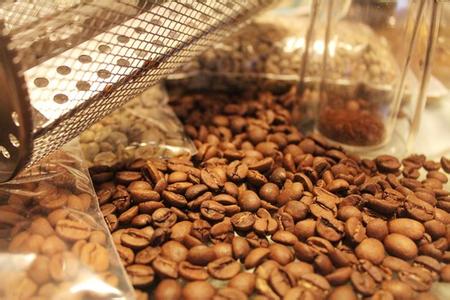
Yemeni Coffee Features and Markets of Yemeni Coffee
Yemen was known as Arabia until the 6th century AD, so coffee trees transported from Yemen to other places were also called Arabic coffee trees. But the origin of these trees is Ethiopia. Yemen was the first country in the world to produce coffee on a large scale as an agricultural crop. Yemeni coffee farmers still produce coffee the same way they did 500 years ago.

A brief introduction to the cultivation of Yemeni boutique coffee beans with unique flavor, geographical location, climate and altitude
Yemeni coffee market: Yemeni coffee is exported from December to April of the following year. The problem in the past has been that coffee from the north was mixed with shoddy stuff before it was shipped from the southern port of Aden. Only coffee shipped from the port of Hodeida can be determined to come from the north. The vast majority of coffee in Yemen is grown under natural conditions, mainly
Yemeni Coffee producing area Manor planting situation how Yemeni Coffee is grown and whether the number of Coffee beans is large
For more information on coffee beans, please follow the coffee workshop (Wechat official account cafe_style) Coffee production in Yemen: bean-shaped berry coffee beans (Peaberrybean): these beans are smaller and rounder than most and look like peas, sometimes called mocha beans. The shape of mocha coffee beans is similar to that of Hara (H.
The birth of coffee beans (3)
The coffee produced by washing or drying has its own characteristics, and there is no question of which is better or worse. However, washed coffee is generally less contaminated and defective beans, and the appearance of beans is cleaner, more uniform, and the quality is more certain, so it is highly praised by Europe and America. But appearance doesn't equal