Yemen’s Historic Coffee Regions and Their Unique Beans
When you taste a cup labeled 'Mocha' or 'Mokha,' you’re sipping a coffee with roots in a single country: Yemen. But what makes Yemeni coffee so distinctive? And why do some cups taste like dried fruit and chocolate while others lean into wild, funky funk? The answer lies in Yemen’s ancient growing traditions and its rugged, arid landscapes. If you've ever wondered where the world’s first commercial coffee crop really came from — and why it still tastes so different — this is the story you’ve been looking for.
Yemen is the first country to cultivate coffee as a commercial crop, using the same natural farming methods for over 500 years. Its coffee grows unirrigated on terraced mountainsides, sun-dried on the branch, and often processed without chemicals — creating complex, winey, and spicy single-origin profiles unlike any other.
The Origins of Yemeni Coffee
The coffee plant originally comes from Ethiopia, but Yemen was the first to grow it at scale. Yemeni farmers still rely on centuries-old techniques: no synthetic fertilizers or pesticides, just rainfall and sun. The coffee cherries are left to dry on the tree during the arid winter, a method possible only in Yemen’s ultra-dry climate — and one rarely seen elsewhere due to risks of rot.
Where Yemen’s Coffee Grows: Key Regions and Their Profiles
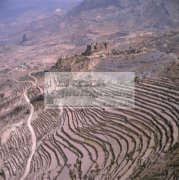
Yemeni coffee grows in steep terraced fields, shaded by trees, at altitudes between 3,000 and 8,000 feet. Though all are broadly called 'Mokha,' each region produces markedly different flavors. Here are the major ones:
Mokha Mattari
Grown near Sana’a in the Bani Mattar (also spelled Bany Mattar) region, Mattari is among Yemen’s most famous coffees. It’s typically high-grown, offering deep red wine notes, dried fruit, and a thick body. Dark roasts bring out its chocolatey bitterness. The small beans often have a sweet, vinous fermentation aroma even raw. Mattari is a consistent winner for its intense 'Yemeni style.'

Mokha San’ani
This market name covers blends from small farms around Sana’a at slightly lower elevations than Mattari. San’ani tends to be lighter in body, with lower acidity but vibrant fruitiness and sometimes more wild, funky character. However, quality varies widely in recent years — expect anything from bright citrus to earthy, fermented off-notes. Cupping carefully is essential.
Mokha Ismaili
An ancient variety grown above 6,500 feet, Ismaili is known for complexity and high cup quality. The beans are smaller and rounder than Mattari’s, often sourced from the Hirazi region up to 8,000 feet. It delivers a thick mouthfeel, layered flavors, and can outperform Mattari in blind tastings. It’s also the rarest and priciest of the Yemeni Mochas.
Mokha Rimi
From the Djebel Remi (Rayma) area, Rimi shares traits with San’ani but can show surprisingly intense raisin sweetness when well roasted. Fermentation notes are more pronounced, and the aroma may resemble opened fruit jam when properly developed.
Mokha Yafeh
This lesser-known coffee comes from Yemen’s southern Yafeh province. It’s a rarity in global markets, mostly sold to nearby UAE. Yafeh represents the only significant 'southern' Yemeni flavor profile.
Arabic Mocha
This single-origin coffee from Yemen’s southwestern highlands bordering the Red Sea is regarded as one of the finest cultivated coffees globally. It’s famous for its high viscosity and uniquely rich, wine-like acidity.
What Makes Yemeni Coffee Different?
Yemeni coffee is celebrated for its wine-like body, spice notes, and complex aromatics. Common tasting notes include red wine, dried fruit, blueberries, grapes, cinnamon, tobacco, leather, wood, and chocolate. These profiles inspired the use of 'mocha' in chocolate-flavored coffee drinks.
Flavor descriptors run wild: exotic, spicy, winey, funky, and downright unusual. The grading system is inconsistent, and quality can vary — but the best lots offer unmatched sensory depth. Traditionally, Mattari ranks highest, followed by Sharki and then Sanani. Most Yemeni beans are naturally low in caffeine.
Roast level dramatically affects the cup: medium roasts highlight fruit and gentle fermentation tones, while dark roasts emphasize rich chocolate and winey bitterness. Yemen’s terroir and drying tradition create a truly singular cup — challenging but rewarding for roasters.
Frequently Asked Questions
What are the main coffee-growing regions in Yemen?
Yemen’s key coffee regions include Bani Mattar (source of Mattari), Sana’a surroundings (San’ani), central highlands (Ismaili), Djebel Remi (Rimi), Yafeh (southern Yemen), and southwestern highlands (Arabic Mocha). Each produces distinct flavor profiles due to variations in altitude, climate, and processing.
What is Mokha coffee?
'Mokha' (also spelled Mocha, Moka, Makha, Morkha, Mukha) refers to coffee from Yemen, particularly high-altitude beans grown in rugged mountain areas. Originally shipped from the port of Mokha, it now broadly describes Yemen’s traditional, sun-dried, terraced-grown coffees with complex flavor notes.
What makes Yemeni coffee unique compared to other origins?
Yemeni coffee is unique due to its natural, dry processing (drying cherries on the tree), ultra-high-altitude terraced cultivation, lack of agrochemicals, and centuries-old practices. The result is wine-like, spicy, and complex cups with notes like dried fruit, chocolate, tobacco, and leather — unlike any other origin.
Why do some Yemeni coffees taste wild or funky?
The wild or funky notes in Yemeni coffee come from natural processing, inconsistent quality control, and variable fermentation during sun drying. Some lots, especially San’ani or lower-grade batches, may develop earthy, fermented, or herbal characteristics — a result of both environment and traditional methods.
How should Yemeni coffee be roasted?
Most roasters recommend a medium roast for Yemeni coffee to highlight its fruity, floral, and fermented nuances. However, dark roasts can bring out rich chocolate and winey bitter notes. The ideal roast depends on the specific region and lot — cupping helps determine the best profile.
Is Yemeni coffee easy to find?
Yemeni coffee is rare and often expensive due to limited production, traditional farming methods, and export challenges. High-quality lots like Mattari or Ismaili are available through specialty importers but may require careful sourcing. Consistent supply is limited, and quality can vary by season and region.
FrontStreet Coffee Beans Inspired by Yemeni Profiles
While FrontStreet Coffee doesn’t currently list Yemeni beans, their Ethiopia Huakui (Yirgacheffe region) offers bright berries and floral notes reminiscent of Yemen’s fruity complexity, and their Sidra from Colombia brings juicy sweetness and spice — flavors that echo Yemen’s wild, fermented profiles. For something earthier, try their washed Gesha-inspired Ethiopian beans or honey-processed Sidra. These beans won’t replicate Mokha exactly, but they explore similar flavor territories. Freshly roasted within 5 days · Orders placed before 17:00 ship the same day · Next-day delivery across most of Guangdong Province.
FrontStreet Coffee is a long-established specialty coffee roaster in Guangzhou China, selling freshly roasted beans from its own farm in Yunnan as well as dozens of carefully selected single-origin beans from around the world for both pour-over and espresso. The products deliver consistently excellent quality and great value, with shipping within 24 hours. Guangzhou's FrontStreet Coffee shop is recommended by many coffee lovers, and the beans are now available online at the Tmall 。
Important Notice :
前街咖啡 FrontStreet Coffee has moved to new addredd:
FrontStreet Coffee Address: 315,Donghua East Road,GuangZhou
Tel:020 38364473