
"Oriente"
947 article(s) found

The origin and producing areas of Guatemalan coffee
They are all Arabica coffee varieties in Guatemala, but bourbon trees produce better beans and are more popular with gourmets. The project also hopes to encourage local producers to process their own coffee beans, as most coffee fruits are now sold to middlemen, and if coffee processing can be done in local factories, its value and even quality may be improved. Antigua Island

Introduction to the famous origin of Guatemalan coffee
Antigua (Antigua) is also a famous producer of coffee. Antigua coffee is produced in Hacienda Carmona, where the best quality coffee is EL Pulcal, which is not only of good quality, but also has a stronger flavor, richer taste and stronger tobacco flavor than other Guatemalan coffees. Every 30 years or so, the area near Antigua suffers

Black tea flowers flavor La Tisa Manor in the Farahan Plateau of Guatemala
Coffee was really introduced into Guatemala in 1750 by Father Jesuit, where the coffee industry was developed by German colonists at the end of the 19th century. Today, most of the coffee industry's production takes place in the south of the country. There are seven main coffee producing areas in Guatemala: Antigua, Coban, Atitlan and Huehuete.

Guatemalan coffee plantation
Locals call it the The Project project, which plans to invest $2.5 million to encourage the opening of small, high-quality coffee plantations. The main areas rich in high-quality coffee in Guatemala are Lake Attilan (Lake Atitlan) and Huehuentenango. The purpose of the project is to help overcome the high-yield and low-quality evil that has plagued the world coffee industry.

American boutique coffee La Tisa Manor on the Farahan Plateau of Guatemala
Fraijanes Plateau: Waiqiang Plateau (Fraijanes Plateau) this area is of volcanic soil, high altitude, sufficient rainfall and great humidity variation. Ash from Pacaya, Guatemala's most active volcano, provides important minerals for the soil in the region. There is plenty of sunshine in the dry season, and although the clouds and dew are heavy in the morning, they dissipate quickly. Because of
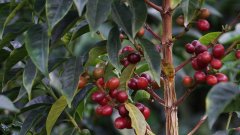
Guatemalan style Ladisha Manor Coffee Bourbon Kaddura High altitude Fine Coffee
Coffee was really introduced into Guatemala in 1750 by Father Jesuit, where the coffee industry was developed by German colonists at the end of the 19th century. Today, most of the coffee industry's production takes place in the south of the country. There are seven main coffee producing areas in Guatemala: Antigua, Coban, Atitlan and Huehuete.

Guatemala Fine Coffee beans at Latisha Manor in the Rahan Plateau
Coffee was really introduced into Guatemala in 1750 by Father Jesuit, where the coffee industry was developed by German colonists at the end of the 19th century. Today, most of the coffee industry's production takes place in the south of the country. There are seven main coffee producing areas in Guatemala: Antigua, Coban, Atitlan and Huehuete.
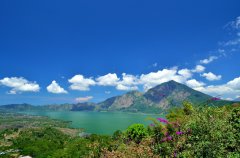
Boutique Coffee at La Tisa Manor in the Farahan Plateau of Guatemala
Coffee was really introduced into Guatemala in 1750 by Father Jesuit, where the coffee industry was developed by German colonists at the end of the 19th century. Today, most of the coffee industry's production takes place in the south of the country. There are seven main coffee producing areas in Guatemala: Antigua, Coban, Atitlan and Huehuete.

History of taste characteristics of Guatemalan coffee
The main areas rich in high-quality coffee in Guatemala are Lake Attilan (Lake Atitlan) and Huehuentenango. The purpose of the project is to help restore the vicious circle of high yield and low quality that has plagued the world coffee industry. For example, Bourbon trees grow taller and produce less coffee beans than the new dwarf trees, although they all belong to Arabica coffee varieties.

Coffee producing area Manor Guatemala Coffee Manor La Tisa Manor
Coffee was really introduced into Guatemala in 1750 by Father Jesuit, where the coffee industry was developed by German colonists at the end of the 19th century. Today, most of the coffee industry's production takes place in the south of the country. There are seven main coffee producing areas in Guatemala: Antigua, Coban, Atitlan and Huehuete.

Tasting and Evaluation of Guatemala Fine Coffee Bean
Guatemala is one of the most important coffee-producing countries in Central America. The mountains in Guatemala extend for a long time, and the regional climate varies from one place to another. Therefore, eight coffee-producing areas in Guatemala are created. They are all located on the highland terrain with subtropical climate. The rainfall is abundant and stable. The fertile volcanic ash soil is the perfect environment for coffee trees to grow. [Plan del Guayabo] Located in Volcn de Suchitn Volcano

Characteristic Source practice of Guatemalan Coffee
Currently, they are also benefiting from a U.S.-funded project that locals call The Project, which plans to invest $2.5 million to encourage the opening of small, high-quality coffee plantations. The main areas rich in high-quality coffee in Guatemala are Lake Attilan (Lake Atitlan) and Huehuentenango. The purpose of the project is
Coffee producing areas in Guatemala
In 1750, Father Jesuit introduced coffee trees to Guatemala, where the coffee industry was developed by German colonists at the end of the 19th century. Today, most of the coffee industry's production takes place in the south of the country.

Guatemalan Coffee Incht Manor with low humidity and plenty of sun
Coffee was really introduced into Guatemala in 1750 by Father Jesuit, where the coffee industry was developed by German colonists at the end of the 19th century. Today, most of the coffee industry's production takes place in the south of the country. There are seven main coffee producing areas in Guatemala: Antigua, Coban, Atitlan and Huehuete.

Volcano San Marco coffee cup "cigarette coffee" Guatemala boutique coffee mellow overall texture
Volcano San Marco coffee cup measurement characteristics (VolcanicSanMarcoscupprofile) aroma and taste with subtle floral aroma, obvious acidity and good alcohol thickness. Coffee was really introduced into Guatemala in 1750 by Father Jesuit, where the coffee industry was developed by German colonists at the end of the 19th century. Today, most of the coffee industry's production takes place in the south of the country. Dangerous land

Introduction of High quality Coffee Plantation in Guatemala
High-quality coffee plantations. The main areas rich in high-quality coffee in Guatemala are Lake Attilan (LakeAtitlan) and Huehuentenango. The purpose of the project is to help restore the vicious circle of high yield and low quality that has plagued the world coffee industry. For example, Bourbon trees grow taller and produce fewer coffee beans than the new dwarf trees, although they all belong to

Guatemala coffee beans origin characteristics Starbucks caramel macchiato method
They are also currently benefiting from a US-funded program known locally as The Project, which plans to invest $2.5 million to encourage small, high-quality coffee plantations. The main regions of Guatemala that produce high-quality coffee are Lake Atitlan and Huehuentenango. the aim of the project is
Global Coffee Origin-Guatemala
In 1750, Father Jesuit introduced coffee trees to Guatemala, where German colonists developed the coffee industry in the late 19th century. Today, most of the coffee industry is produced in the south of the country.

Guatemala single boutique coffee beans Latitha Manor American coffee beans
Boutique coffee (specialty coffee) is also called specialty coffee selection coffee. It refers to coffee made from a small number of raw beans with excellent taste grown in an ideal geographical environment. Depending on the special soil and climatic conditions in which they grow, they have outstanding flavor. After strict selection and classification, this kind of coffee is hard in texture, rich in taste and stylish.

Guatemala coffee bean producing area
Guatemala is bordered by Mexico to the north, Honduras and El Salvador to the south, the Caribbean to the east and the Pacific Ocean to the west, surrounded by mountains and seas, with tropical rain forests, volcanic geology, plateau valleys and ever-changing microclimate. Agriculture is the main source of economy, and the main agricultural product is coffee. Guatemalan coffee once enjoyed a reputation as the best quality coffee in the world.