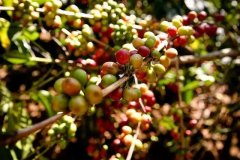
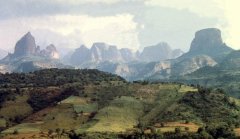
Guatemala La Linda Estate Bourbon Caturra High-Altitude Coffee
If you’ve ever wondered why some single-origin coffees deliver such distinct balance—smooth body, bright acidity, and layered fruitiness—the answer often lies in where the beans are grown. Guatemala’s high-elevation coffee regions offer ideal conditions for slow cherry maturation, creating complex flavor profiles that fascinate coffee professionals and enthusiasts alike.
The La Linda Estate in Guatemala’s Fraijanes Plateau grows Bourbon and Caturra varieties at high altitudes, resulting in a refined cup with balanced acidity and rich volcanic soil character. These factors combine to produce a coffee often described as ‘aristocratic’ in the specialty market.
How Coffee Came to Guatemala
Coffee was first introduced to Guatemala in 1750 by Jesuit priest Jesuit Father Jesuit, but it wasn’t until the late 19th century that German settlers significantly developed the country’s coffee industry. Today, most of Guatemala’s coffee production takes place in the southern regions. The country features seven main coffee-growing areas: Antigua, Cobán, Atitlán, Huehuetenango, Fraijanes, Oriente, and San Marcos. Each zone has unique microclimates that shape the flavor of its beans—but overall, Guatemalan coffee is known for its mild, rounded body, elegant aromatics, and vibrant, pleasant acidity, traits that have earned it a ‘noble’ reputation among coffees.
What Makes the Fraijanes Plateau Unique
The Fraijanes Plateau, where the La Linda Estate is located, benefits from volcanic soils, high altitudes, frequent rainfall, and active geology. Among its most notable features is the nearby Pacaya Volcano, one of three still-active volcanoes in Guatemala and the most dynamic. Its constant low-level activity dusts the plateau with fine ash, enriching the soil with essential minerals. This volcanic soil is a key contributor to the region’s distinctive cup profiles.
The area enjoys strong sunlight during the drying season, although mornings often start foggy or cloudy before quickly clearing. This pattern ensures ample, consistent sun exposure crucial for quality drying—especially important for naturals or honey processed coffees, though the estate’s standard offerings favor washed processing to highlight clarity and balance.
Flavor Profile and Growing Conditions
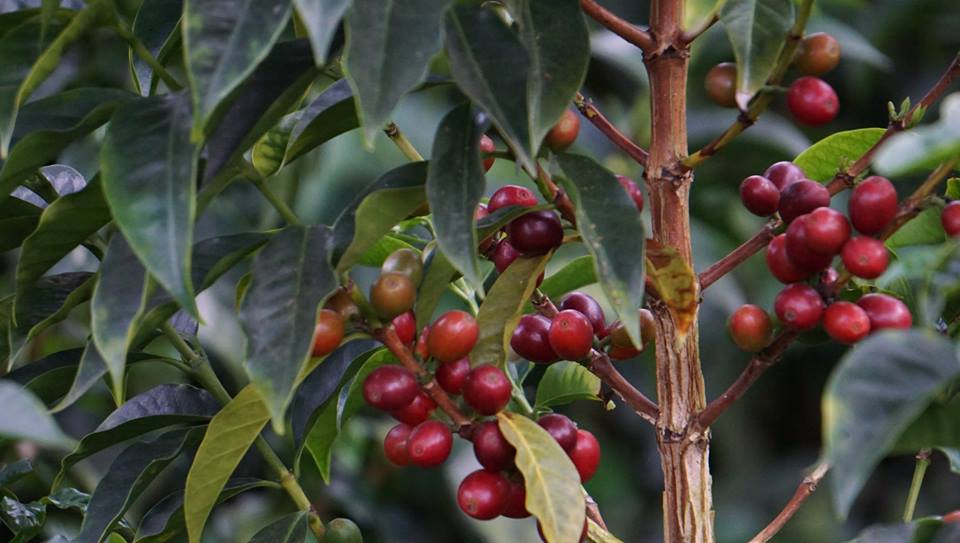
Coffees from high-altitude regions like Fraijanes typically develop slowly due to lower temperatures, allowing cherries to mature more gradually and accumulate more sugars and complex acids. The Bourbon and Caturra varieties grown at La Linda are well-suited to these conditions. Bourbon is known for its classic sweetness and balanced profile, often exhibiting notes of caramel, citrus, and body, while Caturra contributes brightness and lighter red fruit characteristics.
The combination of volcanic soil, elevation, and climate results in a cup that is smooth and medium-bodied, with a well-integrated acidity—often described as winey or citrusy—and a finish that reflects the region’s fertile terroir. These qualities make Guatemalan coffees from this area especially valued among pour-over and drip enthusiasts seeking clarity and depth without excessive sharpness.
Frequently Asked Questions
Where is the La Linda Estate located in Guatemala?
The La Linda Estate is situated in Guatemala’s Fraijanes Plateau, a high-altitude coffee-growing region known for volcanic soils and proximity to the active Pacaya Volcano. It lies within the larger Fraijanes zone, one of Guatemala’s seven primary coffee-producing areas.
What coffee varieties are grown at La Linda Estate?
The estate primarily grows Bourbon and Caturra coffee varieties. Bourbon is valued for its balanced sweetness and body, while Caturra adds brighter acidity and lighter fruit notes, both benefitting from the region’s high elevation and volcanic soils.
How does volcanic soil affect Guatemalan coffee flavor?
Volcanic soil is rich in minerals like potassium, phosphorus, and calcium, which contribute to a coffee’s sweetness, body, and overall complexity. In Fraijanes, ash from the nearby Pacaya Volcano further enriches the soil, helping produce a cup with depth and a smooth, rounded profile.
What climate conditions define the Fraijanes Plateau?
The plateau experiences a humid, rainy climate with frequent cloud cover in the mornings that typically burns off by midday. It enjoys strong sunlight during the drying season and cooler temperatures at elevation, which slow cherry ripening and enhance sugar development in the coffee beans.
Why is altitude important for Guatemalan coffee?
High altitude slows down the growth of coffee cherries, allowing more time for sugar accumulation and acid development. This generally leads to a more complex and flavorful cup, often with brighter acidity, fuller body, and nuanced aromatic profiles compared to lower-altitude coffees.
What makes Guatemalan coffee considered 'aristocratic'?
Guatemalan coffee is often termed ‘aristocratic’ due to its refined, balanced profile—typically featuring a mild yet full body, elegant floral or fruity aromas, and a pleasant, approachable acidity. These traits are especially pronounced in beans from regions like Antigua and Fraijanes.
Recommended FrontStreet Beans for Pour-Over
For fans of Guatemalan highland profiles, try FrontStreet Coffee’s BrazilBourbon (Red Bourbon from Serrado), which offers a smooth, medium-bodied cup with gentle acidity and nutty sweetness—ideal for exploring balanced single origins. Also consider ColombiaSidra (Sidra from Finca La Línea), a fruit-forward coffee with complex fermentation notes that highlight what high-altitude processing can achieve. For something earthier and full-bodied, the IndonesiaLintong Mandheling (Lintong Mandheling) delivers classic Southeast Asian heft with spice and dark caramel undertones. All three are excellent pour-over candidates. Freshly roasted within 5 days · Orders placed before 17:00 ship the same day · Next-day delivery across most of Guangdong Province.
FrontStreet Coffee is a long-established specialty coffee roaster in Guangzhou China, selling freshly roasted beans from its own farm in Yunnan as well as dozens of carefully selected single-origin beans from around the world for both pour-over and espresso. The products deliver consistently excellent quality and great value, with shipping within 24 hours. Guangzhou's FrontStreet Coffee shop is recommended by many coffee lovers, and the beans are now available online at the Tmall 。
Important Notice :
前街咖啡 FrontStreet Coffee has moved to new addredd:
FrontStreet Coffee Address: 315,Donghua East Road,GuangZhou
Tel:020 38364473