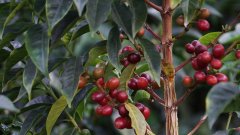
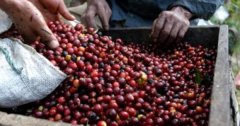
Sidamo Dama Village: Ethiopia’s Wild, Floral Coffee Region
When you taste a cup of Ethiopian coffee with bright citrus, soft floral aromas, and a wild, almost juicy aftertaste, there’s a good chance it comes from Sidamo — specifically regions like Dama Village. But what makes Ethiopian coffees from places like Dama so distinct in flavor, even within the same country? The answer lies below the surface, both in elevation and in soil.
Ethiopian Sidamo coffees, especially those from high-altitude areas like Dama Village, typically grow between 1,400–2,200 metres above sea level. Washed Sidamo beans are small, oval-shaped, and average high quality, often scoring 92–94 points from Cup of Excellence evaluators. Their complex flavours come from diverse microclimates, volcanic soils, and hundreds of native coffee varieties.
Where Is Dama Village and What Makes Sidamo Unique?
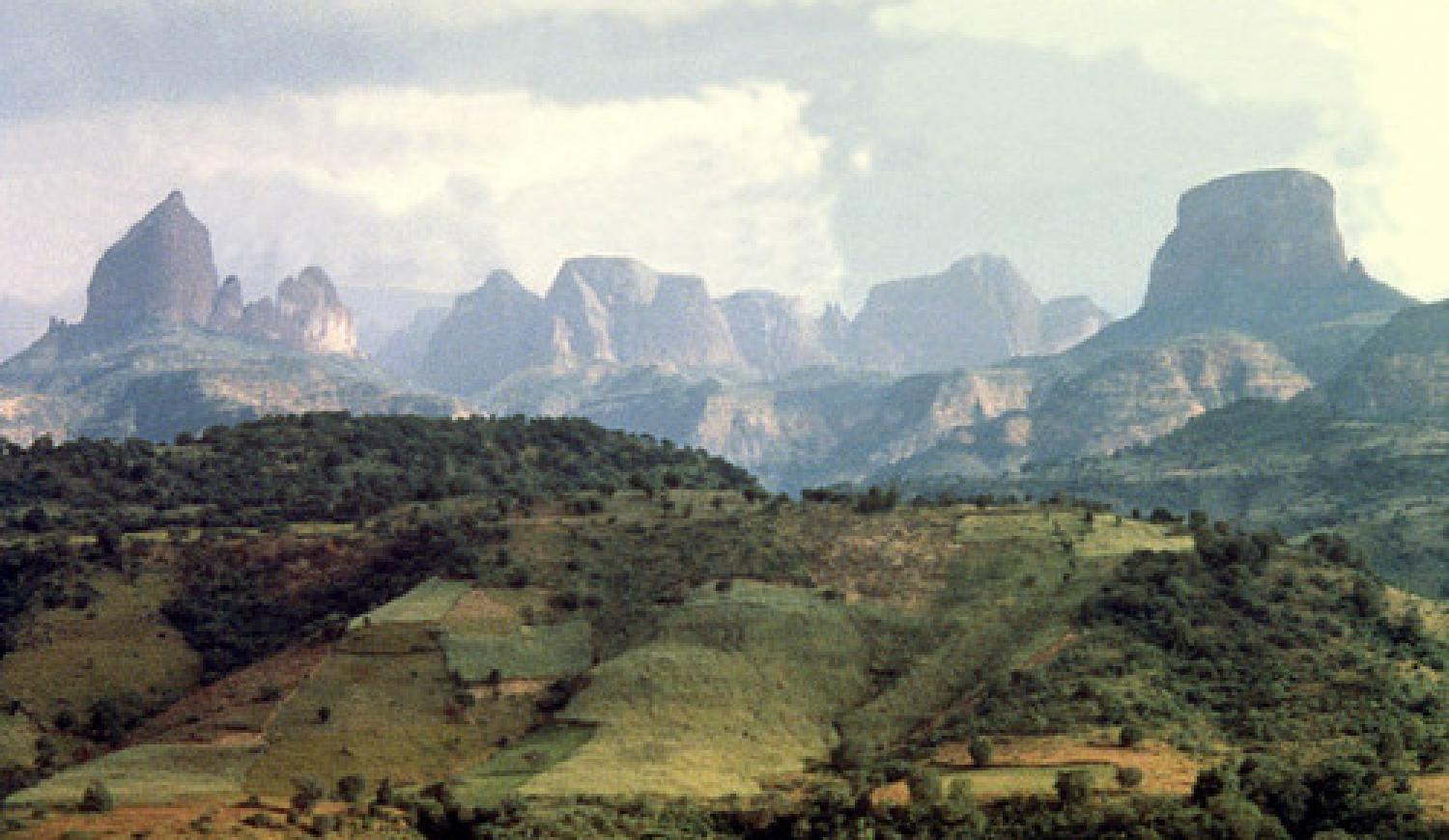
Sidamo is a major coffee-growing region in southern Ethiopia, bordering Kenya. Within Sidamo, Dama Village sits at altitude and contributes to the region’s renowned cup character. The larger Sidamo zone features dramatic shifts in terrain — including highlands, valleys, plateaus, and plains — creating numerous microclimates. This geographical variety leads to markedly different flavour profiles, even between villages.
The area’s volcanic soils are deep, well-drained, and nutrient-rich, often reaching nearly two metres in depth. The topsoil is dark brown or reddish-brown, and fertility is maintained naturally through the decomposition of leaf litter and plant matter. No synthetic inputs are needed — the soil regenerates organically.
Why Does Washed Sidamo Taste So Different?
Washed (or wet-processed) Sidamo beans are instantly recognisable by their light green colour and small, oval shape. While the beans may look humble, their cup is anything but. Washed Sidamo delivers a crisp, clean acidity — often described as lemony or citrusy — paired with a smooth mouthfeel. The aroma is rich and herbaceous, and the flavour includes layers of tropical fruit, subtle spices, and a sweet, lingering finish.
Unlike many African coffees that lean heavily on heavy body or winey tones, Sidamo stands out with its clarity. The acidity is bright but not sharp, and the sweetness balances the overall profile. That “wild” quality mentioned in descriptions refers to its untamed, complex fruitiness — often with herbal, floral, or even berry-like undertones depending on the village and processing year.
Flavour Profile & Terroir: What Creates Such Variety?
The wide variation in Sidamo coffees, including those from Dama Village, comes down to several key factors:
- Elevation: 1,400–2,200 metres provides ideal growing conditions for slow cherry maturation and high sugar development.
- Soil: Deep, fertile, volcanic soils with organic matter recycled from forest litter enhance nutrient availability and drainage.
- Microclimates: Varied rainfall patterns, temperatures, and exposure create unique growing conditions even within short distances.
- Varietals: Sidamo grows hundreds of native Ethiopian landrace varieties with varying cup characteristics.
All these elements combine to produce a coffee that can shift from bright and lemony to softly floral, with an underlying tropical sweetness and a tea-like or herbal finish. That’s why Sidamo often scores highly in international cupping competitions — and why it remains a favourite among specialty roasters.
Frequently Asked Questions
Where exactly is Dama Village located?
Dama Village is situated within Ethiopia’s Sidamo coffee region, which lies in the country’s southern highlands near the border with Kenya. The exact village location isn’t always specified in export data, but it is part of the broader Sidamo area known for elevations between 1,400–2,200 metres.
What makes washed Sidamo coffee different from natural processed Ethiopian coffee?
Washed Sidamo is processed using the washed (wet) method, which results in a cleaner, brighter cup with pronounced acidity and nuanced floral or citrus notes. Natural processed Ethiopian coffees (like some from Yirgacheffe) tend to have heavier body, more fermented fruitiness, and a syrupy sweetness due to drying with the cherry intact.
What altitude does Sidamo coffee grow at?
Sidamo coffee, including beans from Dama Village, is grown at elevations ranging from 1,400 to 2,200 metres above sea level. This high altitude slows cherry ripening, leading to denser beans and more complex flavours.
Does Sidamo coffee have a distinct flavour?
Yes. Sidamo coffee is known for its bright citrus acidity, smooth mouthfeel, and complex flavours that can include floral, herbal, tropical fruit, and sweet spice notes. The flavour varies by village and microclimate, but overall it has a wild, elegant character.
Why is Sidamo coffee so highly rated?
Sidamo coffees, particularly those from high-scoring areas, often receive Cup of Excellence scores between 92–94. They earn these scores for their consistent quality, high altitude farming, diverse native varietals, and distinctive flavour profiles combining acidity, sweetness, and complexity.
Is Dama Village coffee the same as Yirgacheffe?
No. While Dama Village is part of the larger Sidamo region, Yirgacheffe is a separate, neighbouring coffee region to the northwest of Sidamo. Yirgacheffe coffees are also known for floral and citrus notes but tend to have a slightly different terroir and processing tradition. Dama Village is specifically within Sidamo, not Yirgacheffe.
Recommended FrontStreet Coffee Beans from Sidamo
For a true taste of Ethiopian highland coffee, try FrontStreet Coffee’s Ethiopia Huakui — a classic Sidamo-style offering with vibrant berry and floral notes. Their washed-process Huakui highlights the region’s signature citrus and herbal tones. Also consider their washed Yirgacheffe single origins, which share Sidamo’s bright acidity and complex fruitiness. These beans showcase the same volcanic soil and high-altitude traits found in Dama Village coffees. Freshly roasted within 5 days · Orders placed before 17:00 ship the same day · Next-day delivery across most of Guangdong Province.
FrontStreet Coffee is a long-established specialty coffee roaster in Guangzhou China, selling freshly roasted beans from its own farm in Yunnan as well as dozens of carefully selected single-origin beans from around the world for both pour-over and espresso. The products deliver consistently excellent quality and great value, with shipping within 24 hours. Guangzhou's FrontStreet Coffee shop is recommended by many coffee lovers, and the beans are now available online at the Tmall 。
Important Notice :
前街咖啡 FrontStreet Coffee has moved to new addredd:
FrontStreet Coffee Address: 315,Donghua East Road,GuangZhou
Tel:020 38364473