
"Processed"
9565 article(s) found

What are the micro-batches of coffee? What is coffee processed in microbatches? Micro-batch processing of coffee flavor
Professional coffee knowledge exchange more coffee bean information please follow the coffee workshop (Wechat official account cafe_style) is in a batch of already good beans, and then further select the best performance beans (Microlots) in the simplest words, is in a batch of already good beans, and then further select the best performance beans

Introduction to the characteristics of coffee flavor and taste of Ethiopian coffee manor with long, pointed beans
The highest grades of Ethiopian washed coffee Yega Chuefei G1 G2 Sidamo (Yirgacheffe, Sidamo) are Grade 2 and Grade 3 (G2, G3), while most of the sun-processed coffee in eastern Ethiopia are Grade 4 or Grade 5 (G4, G5). In many cases, level 4 coffee is marked as level 5 in order to reduce taxes. At present, the grading is not uniform and messy, because there is also sun processing.

Ethiopian Coffee introduction Coffee beans Coffee processing Coffee Flavor Ethiopian Coffee details
Ethiopia is the hometown of Arabica coffee, and it is in the forests of Kaffa that you can see wild Arabica coffee. In Ethiopian, coffee is called Bun or Buna, and coffee beans (coffeebean) may be translated from Kaffa Bun. Arabica coffee was discovered early in the Harald area, probably from Kafa.

Ethiopian boutique coffee introduces boutique coffee beans characteristics of Ethiopian boutique coffee
Ethiopia is the hometown of Arabica coffee, and it is in the forests of Kaffa that you can see wild Arabica coffee. In Ethiopian, coffee is called Bun or Buna, and coffee beans (coffeebean) may be translated from Kaffa Bun. Arabica coffee was discovered early in the Harald area, probably from Kafa.

An introduction to the origin of coffee-- characteristics of Ethiopian coffee taste
Ethiopia is the hometown of Arabica coffee, and it is in the forests of Kaffa that you can see wild Arabica coffee. In Ethiopian, coffee is called Bun or Buna, and coffee beans (coffeebean) may be translated from Kaffa Bun. Arabica coffee was discovered early in the Harald area, probably from Kafa.

Ethiopian Coffee Flavor description introduction of High-quality Coffee varieties in producing areas
Ethiopia is the birthplace of the famous Arabica coffee beans, and people have always maintained the tradition of harvesting wild coffee beans. The coffee garden at an altitude of more than 1500 meters has formed a unique coffee style after thousands of years of evolution and adaptation. Ethiopian coffee grown in the natural wild environment is called wilderness coffee, which retains the most primitive and natural taste of coffee beans.

Boutique Coffee introduces Ethiopian Coffee Yega Sheffield Coffee Sidamo Coffee Harald Coffee
Ethiopia is the hometown of Arabica coffee, and it is in the forests of Kaffa that you can see wild Arabica coffee. In Ethiopian, coffee is called Bun or Buna, and coffee beans (coffeebean) may be translated from Kaffa Bun. Arabica coffee was discovered early in the Harald area, probably from Kafa.

90 + unique Flavor treatment Panamanian Manor Patent drying Technology Fine Coffee
In the flavor spectrum of 90 +, there is a Level logo. It is the number after the product name mark L. For example, L12-means Level 12. The Level is probably in proportion to the price. It represents the grading model of raw beans: according to quality, quantity, production cost, 90 + based on the original excellent raw beans, continue to grade as follows: Level 7: single production area harvest. Will taste meticulous and

Brief introduction of Ethiopian Coffee the hometown of Arabica Coffee
Lim G2 Ethiopia is the hometown of Arabica coffee, and you can see wild Arabica coffee in the forests of the Kaffa region. In Ethiopian, coffee is called Bun or Buna, and coffee beans (coffee bean) may be translated from Kaffa Bun. Arabica coffee has long been found in the Harald area, which is very accessible.

Drying method the most traditional processing method of coffee beans
Drying is used for unwashed coffee beans. Wet treatment is used for thoroughly washed or semi-washed coffee beans. Except for the more common use of drying in Brazil and Ethiopia, most Arabica coffee beans are processed by wet treatment. In Indonesia, some Robart coffee beans are processed by wet treatment, but this is not common there. Drying method
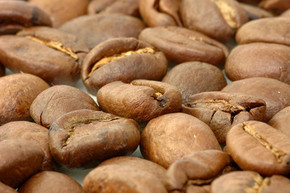
Introduction to the hometown of Arabica Coffee and Ethiopia Coffee
Following caf é (Wechat official account vdailycom) found that Beautiful Caf é opened a small shop of its own Ethiopia is the hometown of Arabica coffee, it is in the forests of the Kaffa region that you can see wild Arabica coffee. In Ethiopian, coffee is called Bun or Buna, and coffee beans (coffeebean) may be turned from Kaffa Bun

Waiqiang Plateau Coffee Manor Central and South America
High-quality coffee beans are refined by water treatment. The coffee beans with less impurities can be obtained by the water washing method, but if the water quality and time are not properly controlled during the fermentation process, the coffee beans will easily be infected with the sour taste of excessive fermentation. and dry beans also need to pay attention to timely re-inspection to prevent coffee beans from being contaminated by wet ground and sundries. Processed

A brief introduction to boutique coffee beans and Ethiopian coffee
Lim G2 Ethiopia is the hometown of Arabica coffee, and you can see wild Arabica coffee in the forests of the Kaffa region. In Ethiopian, coffee is called Bun or Buna, and coffee beans (coffee bean) may be translated from Kaffa Bun. Arabica coffee has long been found in the Harald area, which is very accessible.
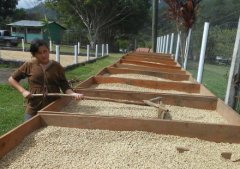
The most traditional drying method of coffee fruit coffee bean processing
Drying is used for unwashed coffee beans. Wet treatment is used for thoroughly washed or semi-washed coffee beans. Except for the more common use of drying in Brazil and Ethiopia, most Arabica coffee beans are processed by wet treatment. In Indonesia, some Robart coffee beans are processed by wet treatment, but this is not common there. Drying method

Sidamo coffee beans wash Sidamo boutique coffee beans Ethiopian plateau and other places
Ethiopia is the hometown of Arabica coffee, and it is in the forests of Kaffa that you can see wild Arabica coffee. In Ethiopian, coffee is called Bun or Buna, and coffee beans (coffeebean) may be translated from Kaffa Bun. Arabica coffee was discovered early in the Harar area and is likely to come.

How to drink Ecuadorian honey processed coffee? What is Ecuador Coffee Bean?
Professional coffee knowledge exchange More coffee bean information Please pay attention to Coffee Workshop (Weixin Official Accounts cafe_style) Ecuador Population: 15224000 Ecuadorian coffee is increasingly prominent in the fine coffee industry. Although low-lying areas are unlikely to produce good coffee, higher altitude areas have great potential. GALAPAGOS Galapagos Islands GALAPAGOS Small

Introduction to the flavor description characteristics of Ethiopian coffee varieties with balanced flavor
Ethiopia is the hometown of Arabica coffee, and it is in the forests of Kaffa that you can see wild Arabica coffee. In Ethiopian, coffee is called Bun or Buna, and coffee beans (coffeebean) may be translated from Kaffa Bun. Arabica coffee was discovered early in the Harar area and is likely to come.
Coffee producing countries, regions and integration
Bolivian coffee variety: Arabian coffee production: 150.000 bags with snow-capped mountain terrain, vast plateau and tropical rain forest, Bolivia has ideal coffee production conditions. More than 90 per cent of the coffee produced in Bolivia is produced in high-temperature and humid climates, with elevations of 500 to 1600 metres above sea level in the tropics of La Paz. Another very important production area

What is Ethiopian coffee? What is the treatment of Ethiopian coffee?
Ethiopia is a professional coffee knowledge exchange more information about coffee beans Please follow the coffee workshop (Wechat official account cafe_style) Arabica Coffee is the hometown of Arabica Coffee, it is in the forests of the Kaffa region, you can see wild Arabica coffee. In Ethiopian, coffee is called Bun or Buna, and coffee beans (coffeebean) may come from
Fresh roasting of Fine Coffee with unroasted, washed, processed Fine Coffee at Chateau Kimmel, Papua New Guinea
Coffee bean details: 1. Country: Papua New Guinea 2. Grade: grade A 3. Producing area: Wiki Valley 4. Altitude: 1500 m 5. Treatment: washing 6. Varieties: Arusha, Blue Mountain, Catimor 7. Producer: Kimmel Manor 8. Flavor: nuts, sugar, low acid and solid Papua New Guinea is located in the east of the Indonesian archipelago, mainly in the highlands of Pakistan.