
"Processed"
9565 article(s) found

Elsa Coffee Manor self-processed Coffee COE Award-winning Micro batch Coffee Certification
In early May 2013, two raw coffee beans from Elsa Coffee Manor won the prize at the COE boutique coffee competition in Costa Rica. COE is the world's most famous boutique coffee competition, and the award means that coffee beans can be sold at international online auctions for several or even dozens of times the price of ordinary raw beans. Elsa Coffee Manor is located in the valley of western Costa Rica.
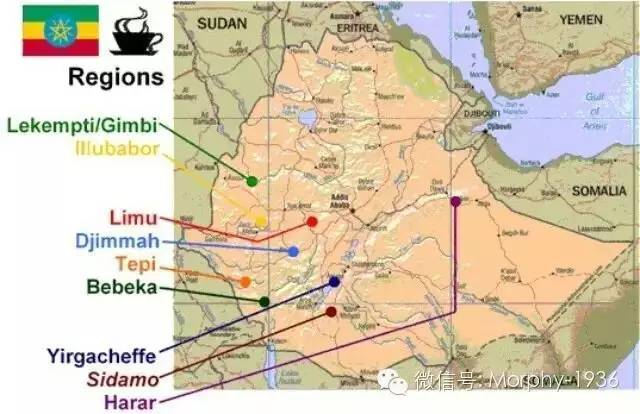
Introduction of boutique coffee beans Ethiopian coffee
Ethiopia is the hometown of Arabica coffee, and it is in the forests of Kaffa that you can see wild Arabica coffee. In Ethiopian, coffee is called Bun or Buna, and coffee beans (coffeebean) may be translated from Kaffa Bun. Arabica coffee was discovered early in the Harald area, probably from Kafa.

Flavor characteristics of Ethiopian Fine Coffee Ethiopian Coffee
Ethiopia is the hometown of Arabica coffee, and it is in the forests of Kaffa that you can see wild Arabica coffee. In Ethiopian, coffee is called Bun or Buna, and coffee beans (coffeebean) may be translated from Kaffa Bun. Arabica coffee was discovered early in the Harald area, probably from Kafa.

Sun boutique coffee Harald
In addition to Brazilian coffee processed by tanning, Harald also uses tanning to process coffee. Unlike Brazilian coffee, Harald can give you a refreshing feeling. It has a very sharp fermented smell, similar to the aroma of wine, and has the texture of red wine. It is a very rare fine coffee processed by sun.

Boutique coffee beans sun-dried boutique coffee Harald
In addition to Brazilian coffee processed by tanning, Harald also uses tanning to process coffee. Unlike Brazilian coffee, Harald can give you a refreshing feeling. It has a very sharp fermented smell, similar to the aroma of wine, and has the texture of red wine. It is a very rare fine coffee processed by sun. Harald is a member of the Oromia region of Ethiopia

What kind of flavor does the bean mix have to drink?
Professional coffee knowledge exchange More coffee bean information Please pay attention to coffee workshop (Weixin Official Accounts cafe_style) HYPERBALLAD espresso blend Hyperballad is prepared from Italian espresso, suitable for any brewing method you like Mixed cream, honey processed Brazil and mixed fruit, naturally processed Ethiopia gives you the speed of choice

What's the best Italian blend? It's creamy, creamy Italian blend.
Professional coffee knowledge exchange More coffee bean information Please pay attention to coffee workshop (Weixin Official Accounts cafe_style) PARACHUTE batch blend Parachute(parachute) This word means to hold you up, slow you down, let you fully realize the beauty of mixed drinks rich in naturally processed Burundi coffee, plus naturally processed Ethiopian coffee, let you

Introduction to the Variety characteristics of Coffee Flavor description treatment method in Yega Ficher Manor, Ethiopia
Yega Chuefei Cochel Manor introduces Yega Chevy Coffee, which seems to be more blessed with favorable conditions. it has a floral aroma, bright citrus acidity, lemon flavor and soft taste. Kochere Cochrane is located in the southwest of Ethiopia, about 25 miles to the north, that is, the famous Yega Chenophen. The mode of production is small-scale production.

Costa Rica La Guaca Treasure Manor Black Honey processed Fine Coffee Bean Flavor, Taste and aroma
For professional baristas, please pay attention to the coffee workshop (Wechat official account cafe_style) Brenka (Brunca) grade SHB producer Rgulo Gerardo Urea Chacn treatment method black honey treatment variety Catuai (1600 meters above sea level) Costa Rica La Guaca treasure manor black honey treatment flavor: sherry, dried berry fruit flavor, purple grape

Flavor description of Ethiopian Coffee Manor introduction of High-quality Coffee beans in producing areas
In February 1977, Lieutenant Colonel Mengistu Haier Maryam (MENGISTU HAILE MARIAM) launched a military coup and served as Chairman of the interim military Administrative Council and head of State. In 1979, the Ethiopian Labor people's Party Organization Committee, dominated by soldiers, was established to implement an one-party system. In 1984, the Ethiopian Workers' Party was formed according to the Soviet Communist Party model. Mengistu, September 1987
Introduction to Ethiopian Coffee, the hometown of Arabica Coffee
Ethiopia is the hometown of Arabica coffee, and it is in the forests of Kaffa that you can see wild Arabica coffee. In Ethiopian, coffee is called Bun or Buna, and coffee beans (coffeebean) may be translated from Kaffa Bun. Arabica coffee was discovered early in the Harald area, probably from Kafa.

Introduction of Santa Ferissa Manor in Accatel, Guatemala _ parameters of coffee processed with hand honey
Professional coffee knowledge exchange more coffee bean information please follow the coffee workshop (Wechat official account cafe_style) century-old legendary manor! COE won the second place in 2016! Guatemala Coffee Alcatel Nan Fruit producing area Santa Ferissa Manor Micro batch Series Guatemala Acatenango Finca Santa Felisa Microlots (50lb / 22.7kg vacuum box)

Ethiopian coffee introduction Ethiopian coffee beans exquisite coffee beans and introduction
Ethiopia is the hometown of Arabica coffee, and it is in the forests of Kaffa that you can see wild Arabica coffee. In Ethiopian, coffee is called Bun or Buna, and coffee beans (coffee bean) may be translated from Kaffa Bun. Arabica coffee was discovered early in the Harald area.

Drying is the most traditional processing method of coffee beans.
Drying is used for unwashed coffee beans. Wet treatment is used for thoroughly washed or semi-washed coffee beans. Except for the more common use of drying in Brazil and Ethiopia, most Arabica coffee beans are processed by wet treatment. In Indonesia, some Robart coffee beans are processed by wet treatment, but this is not common there. Drying method
A brief introduction to boutique coffee and Ethiopian coffee
Ethiopia is the hometown of Arabica coffee, and it is in the forests of Kaffa that you can see wild Arabica coffee. In Ethiopian, coffee is called Bun or Buna, and coffee beans (coffee bean) may be translated from Kaffa Bun. Arabica coffee was discovered early in the Harar area, probably from the card.
Costa Rica Fire Phoenix Manor Costa Rica SHB Grade Red Honey processed Fine Coffee Raw beans
Costa Rica Central Valley Cumbres del Poas country: Costa Rica grade: SHB producing area: central valley altitude: 1300-1500m annual rainfall: 3000 mm harvest month: December to February of the following year treatment: red honey varieties: Kaddura, Kaduai producer: fire Phoenix manor raw beans specifications: 18 mesh flavor: dried fruit, vanilla, honey

Ethiopian Coffee Flavor Description Grind Taste Variety Fine Coffee Introduction
In July 1991, EPF hosted a national conference attended by more than 20 political and ethnic organizations. The meeting adopted the Transitional Charter and elected an 87-member House of Representatives, with EPF Chairman Meles Zenawi as President of the Transitional Government and President of the House of Representatives. A transitional government was established. On 24 May 1993, Eritrea (formerly Ethiopian Province of Eritrea) adopted a resolution at the International Conference on the Elimination of All Forms of Discrimination against Women (ICPD).

Drying is the most traditional method of processing coffee beans
Drying is used on unwashed coffee beans. Wet processing is used on thoroughly washed or semi-washed coffee beans. Most arabica beans are processed wet, except for drying, which is more common in brazil and ethiopia. In Indonesia, some Robert beans are wet processed, but this is not common locally. drying method

How to choose coffee processed by a variety of small farmers in Ethiopia? water washing G1 recommendation in Lim producing area
For the exchange of professional baristas, please follow the coffee workshop (Wechat official account cafe_style) Ethiopia Lim G1 washing (Ethiopia Washed Limu G1) flavor description: exquisite floral flavors, bright acidity of apple, aloe and kumquat, variable layers on the palate, and a sweet finish of lemon, sandalwood and cocoa in the middle and rear. Country of origin: Ethiopia (Eth
The most traditional drying method of coffee bean processing
Drying is used for unwashed coffee beans. Wet treatment is used for thoroughly washed or semi-washed coffee beans. Except for the more common use of drying in Brazil and Ethiopia, most Arabica coffee beans are processed by wet treatment. In Indonesia, some Robart coffee beans are processed by wet treatment, but this is not common there. Drying method