
"Processed"
9565 article(s) found

Raw beans coffee beans are processed to become coffee beans
Just buy a good coffee machine for coffee. Every cup you drink takes five years to blossom and bear fruit. It goes through complicated procedures such as harvesting, roasting, and so on, and is carefully prepared by the coffee maker. Here are seven simple rules for making good coffee: ● uses freshly roasted coffee beans for a maximum of a week, preferably half an hour before roasting

A description of the taste of coffee processed on a daily basis.
Professional Coffee knowledge Exchange more Coffee Bean Information Please note Coffee Workshop (Wechat official account cafe_style) Front Street-Coffee Workshop (official account of the Coffee account cafe_style) in front of the Coffee Workshop (official account of the Coffee account cafe_style)

Ethiopia Sidama Region Geographical Features Manor Flavor Description Origin Yega Shefi Features
In the southwestern highlands of Ethiopia, the Kaffa, Sheka, Gera, Limu and Yayu Senli coffee ecosystems are considered the home of Arabica coffee. These forest ecosystems are also home to a variety of medicinal plants, wildlife and endangered species. angstroms

Introduction to the quality of Ethiopian Coffee Bean varieties by describing the Flavor of Solar washing
Introduction to the quality of Ethiopian coffee bean varieties sun washing flavor description in Ethiopia, the grading and quality control system of coffee is divided into three levels: producer, regional and national. All coffee is inspected by local inspection agencies before leaving the country of origin, and then re-tested at the coffee inspection and grading centers in Addis and Diredawa to determine its quality grade. Coffee

Rare Sumatra honey processed coffee, why is Sumatra coffee mostly wet planed?
Professional coffee knowledge exchange More coffee bean information Please pay attention to coffee workshop (Weixin Official Accounts cafe_style) Sumatra Gayo District Introduction: Aceh Special Administrative Region is located in the northernmost part of Sumatra Island. The coffee growing area is located around Lake Tawar on the mountainside of Mount Kayu and Takengon. Coffee here is generally shaded.

Ecuadorian honey processed coffee beans flavor description grinding scale varieties production area introduction
When Thomas and his crew landed on the island, they frantically searched for water and were so thirsty that they squeezed juice from the fat leaves of cacti to drink. Finally found water in a ravine in a rock. Thomas attributed it to God's gift because it was Good Friday,

Ethiopia Yega Sheffield Coffee Bean grows Raw Bean G2 Yega Chefe
Ethiopia has the longest history in the world, not only in coffee production and drinking, but also in the world. Most of the production is exported to advanced countries, and unlike other coffee-producing countries, 50% of the coffee produced in Ethiopia is consumed domestically. Nevertheless, more than 60% of Ethiopia's total foreign currency exports still come from the coffee trade, which is enough to replace

Ethiopian coffee plantation with unique quality and moderate pH
Harar Coffee is produced in the eastern highlands of Ethiopia. It is medium bean-shaped and large

Ethiopian coffee flavor description processing characteristics of varieties of production area taste processing introduction
In the southwestern highlands of Ethiopia, the Kaffa, Sheka, Gera, Limu and Yayu Senli coffee ecosystems are considered home to Arabica coffee. These forest ecosystems are also home to a variety of medicinal plants, wildlife, and endangered species, large coffee farming villages.

There are several coffee farms in Ethiopia's coffee-producing countries
Grade of Ethiopian coffee: Ethiopian washed coffee Yega Chuefei G1 G2 Sidamo (Yirgacheffe, Sidamo) has the highest grades 2 and 3 (G2, G3), while sun-processed coffee in eastern Ethiopia is mostly grade 4 or 5 (G4, G5). In many cases, level 4 coffee is marked as level 5 in order to reduce taxes. At present, the classification is not uniform and there are

Introduction to the most unique flavor of rose summer coffee specially processed by 90+ company
For professional baristas, please follow the coffee workshop (Wechat official account cafe_style) 90 + Percy N2 Ninety Plus Perci N2 friends who are familiar with boutique coffee should be no stranger to the boutique raw bean brand Ninety Plus. In the past few years, it has sprung up in the international market, using unique production methods to open up its own day in the price competitive raw bean market.
Ethiopian coffee
Ethiopia is the hometown of Arabica coffee, and it is in the forests of Kaffa that you can see wild Arabica coffee. In Ethiopian, coffee is called "Bun" or "Buna". Coffee beans (coffee bean) may be translated from "Kaffa Bun". Arabica coffee was discovered early in the Harald area.
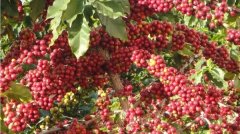
Brief introduction of Ethiopian Coffee
Ethiopia is the hometown of Arabica coffee, and it is in the forests of Kaffa that you can see wild Arabica coffee. In Ethiopian, coffee is called "Bun" or "Buna". Coffee beans (coffee bean) may be translated from "Kaffa Bun".

Is Indonesian West Java honey processed coffee good to drink? How to cook it to taste good?
Is Indonesian West Java honey processed coffee good to drink? How to cook it to taste good? West Java Province is an administrative region of Indonesia. Java Island is located in the west, north Java Sea, south coast of the Indian Ocean, including offshore islands, an area of 46,300 square kilometers, Java climate type for tropical rain forest climate, hot and humid all year round. Temperatures are highest in the plains along the northern coast and cooler in the mountains

Coffee bean producing countries introduce general knowledge of fine coffee
Indian Coffee Type: Arabica Coffee, Robusta Coffee production: 4.600.000 bags of Indian coffee are produced in southern India. The biggest advantage is that coffee is dark, with moderate viscosity and acidity and special attractive nuances, while the biggest disadvantage is that it is less irritating. Coffee from Shevaroysand Newgillis is generally better than that from other parts of southern India.

Ethiopian Coffee Manor Flavor description Grinding characteristics introduction to the taste price of varieties in producing areas
Ethiopian coffee beans grow in close to the natural environment, after years of planting under the same growth conditions, Ethiopian coffee beans have gradually adapted to the environment here. More than 60% of coffee beans are grown in forests or semi-forests. Large-scale coffee-growing villages account for about 35% of the country's total coffee production. Many of these are used.
Coffee beans are processed by washing beans.
Coffee beans are coffee beans have not been roasted before the state, coffee beans processing process is more troublesome, today we talk about how to wash coffee beans, that is, coffee beans processing washing beans this step.

Which brand of black coffee is authentic? What are the benefits and characteristics of black coffee?
Professional coffee knowledge exchange More coffee bean information Please pay attention to coffee workshop (Weixin Official Accounts cafe_style) Have you heard others say that this coffee in front of you has a light berry flavor, but actually drank a mouthful but found that the taste is no different from ordinary coffee? Don't get discouraged, and don't lose faith too soon in the charm of the third wave of coffee, because there are unique ways to describe it.

Arumanis Honey processed West Java | Indonesian Java Coffee | Honey treated Coffee
Professional coffee knowledge exchange more coffee bean information please follow coffee workshop (Wechat official account cafe_style) Indonesia Arumanis honey treatment West Java (S795) Indonesia (S795 Variety) West JAVA Aromanis Honey Variety Source: S795 = S288 / Kent ((S288 (S26) x Typica) / Arabica x Liberica)
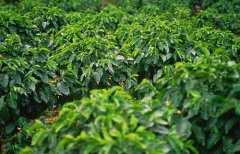
The most famous boutique raw bean flower scent in the world. Ethiopia Yega Xuefei G2.
Ethiopia has the longest history in the world, not only in coffee production and drinking, but also in the world. Most of the production is exported to advanced countries, and unlike other coffee-producing countries, 50% of the coffee produced in Ethiopia is consumed domestically. Nevertheless, more than 60% of Ethiopia's total foreign currency exports still come from the coffee trade, which is enough to replace