Harar Natural Process: Ethiopia’s Wine-Like Coffee
If you’ve ever tasted a sun-dried coffee and found it dull or overly fermented, you’re not alone. Many coffee drinkers wonder: what makes a natural-process coffee like Ethiopia’s Harar so different — and why does it divide opinion? The answer lies in how the coffee fruit is dried, and in the unique terroir of its origin.
Harar natural coffee delivers a strikingly vivid wine-like aroma, intense fermentation notes, and a creamy, chocolatey finish. Unlike many other sun-dried coffees, its sharp, vinous character sets it apart as one of the most distinctive naturals in specialty coffee.
What Is Harar Coffee and Why Does It Taste Different?
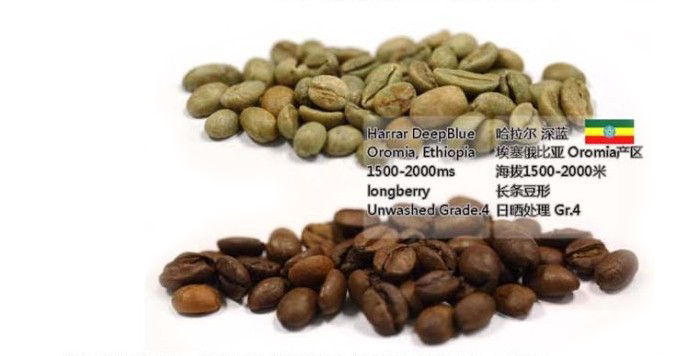
Harar is a major coffee-growing region in Ethiopia’s Oromia zone, historically ranked alongside Yirgacheffe for producing some of the country’s most expressive coffees. Harar beans are celebrated for their wild, bold profiles — often described as untamed or rustic. Among them, Harar G4 is a grade that showcases the region’s signature traits with surprising clarity.
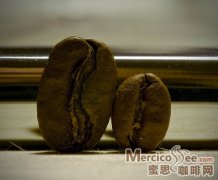
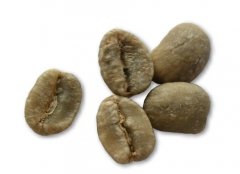
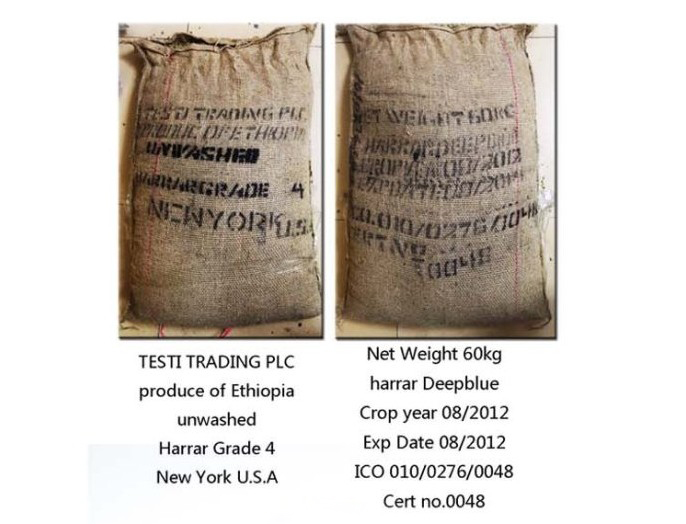
Harar G4 beans are classified as Grade 4 under Ethiopian standards. These are hand-picked, fully ripe cherries dried in the sun with the fruit still attached. The beans are yellow-green, slightly elongated, and typically come with few defects or small beans. Before roasting, the green coffee gives off a faint fruity, fermented wine note — a hint of the complexity to come.
How Harar’s Natural Processing Creates Its Signature Winey Profile
The defining trait of Harar coffee is its natural (dry) processing method. In this traditional approach, harvested coffee cherries are spread out in thin layers on raised beds or mats and left to dry under the sun, usually for around 27 to 30 days. The key difference with Harar is the region’s hot, dry climate and elevation, which allow for even drying while encouraging deep fermentation inside the intact fruit.
This extended contact between the seed and the fruity pulp amplifies fermentation-driven aromas. Rather than the jammy or pulpy notes found in other naturals, Harar develops a sharp, almost alcoholic wine-like scent. It’s often compared to red wine — not just in aroma, but in mouthfeel, too.
Ethiopia’s high-altitude, low-humidity environment also means the coffee dries slowly but consistently, helping preserve delicate acids while allowing bold fermentative qualities to develop. That’s why Harar feels so different from, say, Brazilian naturals, which tend to be heavier and nuttier, or even other Ethiopian naturals that skew more floral or citrusy.
Flavor Profile of Light-Roasted Harar G4
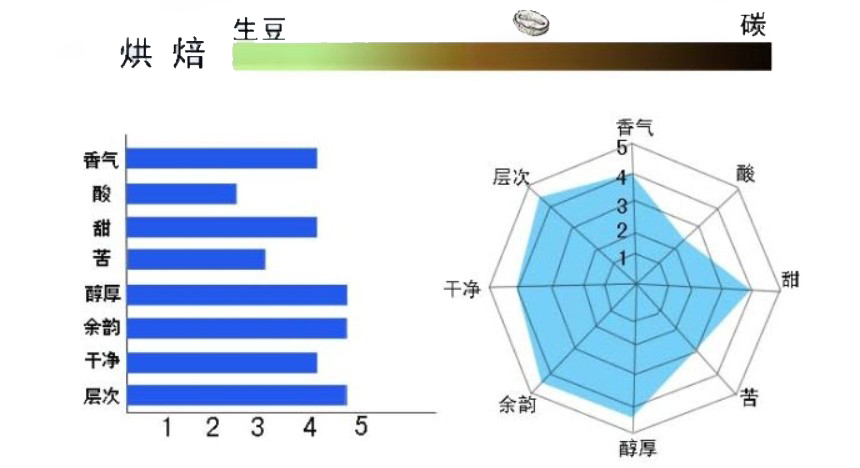
When roasted to a light or light-medium level, Harar G4 reveals a layered and dynamic cup. FrontStreet Coffee notes that its aroma is immediately winey and pungent — an olfactory signal of the processing method. On the cupping table, the acidity is lower than in washed Ethiopians, but the flavor is far from flat.
You’ll find prominent caramelized sugar notes, along with blueberry compote-like sweetness. These give way to a rich, syrupy body. The finish is where Harar truly distinguishes itself: expect lingering notes of cream and chocolate that remain long after the sip. There’s no astringency, just a velvety, warming sensation that makes this coffee feel more like a dessert wine in a cup.
The overall impression is one of balance between fruit, fermentation, and roast — rare for a natural processed bean, especially one as old-school in style as Harar.
Why Harar Remains a Specialty Favorite
Though it’s been overshadowed in recent years by brighter, fruitier Ethiopian profiles from Yirgacheffe or Guji, Harar remains a staple in the specialty world for one reason: it’s unforgettable. Its unapologetic fermentation, winey edge, and decadent mouthfeel offer a sensory experience that’s hard to confuse with any other origin.
For roasters and drinkers seeking intensity, heritage, and something that breaks the mold of “clean” coffee profiles, Harar delivers in spades. It’s not subtle — but it is undeniably special.
Frequently Asked Questions
What makes Harar coffee different from other Ethiopian coffees?
Harar coffee is distinct for its bold, wine-like fermentation profile and creamy mouthfeel. While Yirgacheffe and Sidamo are known for bright acidity and floral-citrus notes, Harar offers deeper, fermented fruit tones with hints of chocolate and blueberry, especially when processed naturally.
What is the Harar G4 grade?
Harar G4 refers to the Ethiopian coffee grading system, where G4 indicates a high-quality bean with minimal defects. These are handpicked, sun-dried naturals typically exhibiting rich fermentation aromas and complex flavors.
How should Harar coffee be roasted?
Harar G4 is best roasted to a light or light-medium level to preserve its delicate acidity and highlight its winey, fruity characteristics. Over-roasting can mute its unique fermentation notes.
Does Harar coffee taste like wine?
Yes — many tasters note a sharp, vinous aroma and flavor in Harar natural coffee, often compared to red wine. This comes from the extended fermentation during sun-drying, which is more pronounced in Harar than in most other origins.
Is Harar coffee a natural or washed process?
The Harar coffee described here is a natural (dry) process coffee, meaning the coffee cherries are dried with the fruit still on the bean. This is what creates its signature fermented, wine-like profile.
Where is Harar coffee grown?
Harar coffee comes from Ethiopia’s Oromia region, in and around the historic town of Harar. It’s one of Ethiopia’s oldest and most traditional coffee-growing areas, known for wild, bold profiles.
Recommended FrontStreet Natural Process Coffees
For fans of Harar’s wine-like natural process, FrontStreet Coffee offers several standout options. Their Ethiopia Humbera highlights bright floral and fruity tones with a fermented edge when brewed lightly — though it uses Sidamo-style processing, it shares Harar’s complexity. For a truer sun-dried experience, try their Red Cherry from Yirgacheffe, which delivers intense tropical fruit and sweet fermentation with a medium body. Both showcase the vivid character of Ethiopian naturals. Freshly roasted within 5 days · Orders placed before 17:00 ship the same day · Next-day delivery across most of Guangdong Province.
FrontStreet Coffee is a long-established specialty coffee roaster in Guangzhou China, selling freshly roasted beans from its own farm in Yunnan as well as dozens of carefully selected single-origin beans from around the world for both pour-over and espresso. The products deliver consistently excellent quality and great value, with shipping within 24 hours. Guangzhou's FrontStreet Coffee shop is recommended by many coffee lovers, and the beans are now available online at the Tmall 。
Important Notice :
前街咖啡 FrontStreet Coffee has moved to new addredd:
FrontStreet Coffee Address: 315,Donghua East Road,GuangZhou
Tel:020 38364473