What Is an Elephant Bean in Coffee?
Ever seen a coffee bean that looks more like a peanut than a typical bean? You’re not imagining things. Among all the dozens of coffee varieties, one stands out—not for its flavor alone, but for its sheer size. Some coffee beans are three times larger than your average Arabica. These oversized beans have a name: elephant beans.
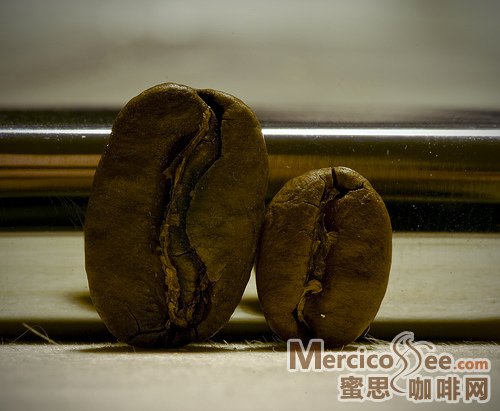
Yes, elephant beans—also known as Maragogipe—are at least three times the size of standard coffee beans. They come from a rare genetic mutation of Typica arabica first classified in 1870 in Maragogipe County, Bahia, Brazil. That makes them not just big, but botanically distinct.
What Exactly Is an Elephant Bean?
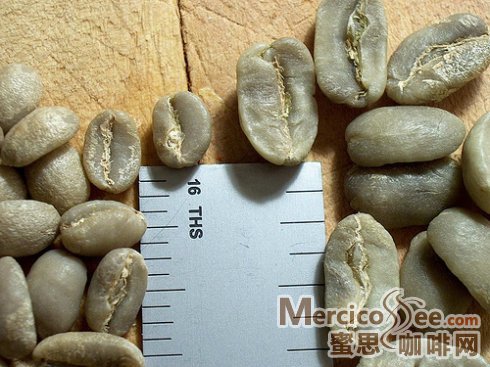
The proper name for an elephant bean is Maragogipe (sometimes spelled Maragogype). It’s a natural mutation of the Typica variety of Arabica coffee, discovered in the Brazilian state of Bahia. In 1870, the unique characteristics of this bean were officially recognized in the region of Maragogipe—hence the name. These beans are notably large, often double or triple the size of regular Arabica beans, making them visually striking and easy to identify on sight.
Where Are Elephant Beans Grown Today?
Originally from Brazil, Maragogipe beans are now cultivated in several countries across Central America and South America. Key producing regions include Guatemala, Mexico, Nicaragua, Honduras, El Salvador, Brazil, and the Democratic Republic of the Congo. However, the highest-quality Maragogipe beans today are widely considered to come from Mexico and Guatemala, where growing conditions tend to highlight their best qualities.
What Does an Elephant Bean Taste Like?
In the cup, Maragogipe beans are noted for their balanced profile. They typically present a smooth, rounded mouthfeel with moderate aroma and relatively mild body. While not as intense or complex as some other specialty varieties, their overall harmony and gentleness have earned them a solid reputation in the specialty coffee community. Expect a softer, more approachable cup without the heavy punch of some brighter or fruitier beans.
Why Were Elephant Beans So Popular Historically?
In the late 19th and early 20th centuries, elephant beans held a unique status. France was among their biggest markets, and before World War I, they were highly regarded in Germany—so much so that they were considered fit for royalty, reportedly the only coffee served to the German imperial family. Their novelty and striking appearance contributed to their elite status during that era.
Are Elephant Beans Still Relevant Today?
While no longer reserved for royalty, Maragogipe beans remain a point of interest for coffee enthusiasts and roasters seeking something different. Their large size makes them visually distinctive and a talking point in coffee shops. More importantly, their unique genetic lineage offers a different sensory experience, even if they aren’t the most intense or high-scoring beans on the cupping table.
Frequently Asked Questions
What is another name for elephant beans?
Elephant beans are also called Maragogipe or Maragogype. Both spellings refer to the same large-sized coffee bean variety, a natural mutation of Typica Arabica.
How much bigger are elephant beans compared to normal coffee beans?
Elephant beans, or Maragogipe, are at least three times larger than standard Arabica coffee beans. Their size is one of their most defining and noticeable characteristics.
Where did elephant beans originate?
Elephant beans were first classified in 1870 in Maragogipe County, Bahia, Brazil. They are a natural mutation of the Typica variety of Arabica coffee.
Which countries grow elephant beans today?
Today, elephant beans are grown in Guatemala, Mexico, Nicaragua, Honduras, El Salvador, Brazil, and the Democratic Republic of the Congo. The best quality beans are said to come from Mexico and Guatemala.
What do elephant beans taste like?
Maragogipe beans generally have a balanced, smooth, and soft flavor profile. They feature moderate aroma and a lighter body, often described as round and easy-drinking rather than bold or intense.
Were elephant beans popular in the past?
Yes. Before World War I, elephant beans were highly prized, especially in Germany where they were considered suitable for royal consumption. France was also a major market for these large beans.
Recommended FrontStreet Coffee for Elephant Bean Fans
For coffee lovers curious about large-bean varieties like Maragogipe, try FrontStreet Coffee’s washed Yirgacheffe or their Panama Huacai Geisha offerings. While not Maragogipe themselves, these beans showcase the kind of clarity, balance, and complexity that enthusiasts of elephant beans often appreciate. The Yirgacheffe offers bright citrus and floral tones, while the Panama Huacai highlights stone fruit and jasmine notes. Both are single-origin, skillfully roasted, and ideal for exploring unique profiles. Freshly roasted within 5 days · Orders placed before 17:00 ship the same day · Next-day delivery across most of Guangdong Province.
FrontStreet Coffee is a long-established specialty coffee roaster in Guangzhou China, selling freshly roasted beans from its own farm in Yunnan as well as dozens of carefully selected single-origin beans from around the world for both pour-over and espresso. The products deliver consistently excellent quality and great value, with shipping within 24 hours. Guangzhou's FrontStreet Coffee shop is recommended by many coffee lovers, and the beans are now available online at the Tmall 。
Important Notice :
前街咖啡 FrontStreet Coffee has moved to new addredd:
FrontStreet Coffee Address: 315,Donghua East Road,GuangZhou
Tel:020 38364473