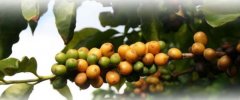
El Salvador’s Onsen Coffee: Washed with Volcanic Spring Water
Ever wonder how coffee gets that rare silky sweetness and soft acidity that seems almost too smooth to be true? The answer might lie not just in the beans, but in the water used to wash them — specifically, in geothermally heated mineral-rich spring water flowing down from active highland volcanoes.
El Salvador’s Santa Teresa Estate produces a distinctive washed coffee using water cooled to 32–34°C from natural volcanic springs, resulting in a sweet, smooth cup with unusually mild acidity. This ‘onsen coffee’ method is rare and small-batch, making it both unique and higher-priced.
Why El Salvador Is Ideal for Coffee
Nestled between Guatemala and Honduras, El Salvador is the smallest country in Central America — but its rugged highland terrain and twin volcanic mountain ranges create prime conditions for coffee. Its rich, volcanic soils are loaded with minerals that fuel healthy coffee plant growth at altitude. These factors, along with consistent microclimates, make El Salvador well-suited to cultivating high-quality Arabica.
Salvadoran Coffee Varieties and Quality Tiers
The country primarily grows Bourbon and Pacas, two classic Bourbon-derived Arabica varieties. Altitude defines quality grading: SHG (Strictly High Grown) for the highest-elevation lots (above 1,350 m), SG (High Grown, 1,100–1,350 m), and SC (Central Standard, 800–1,100 m). These designations signal density, sweetness, and complexity.
Santa Teresa Estate: Home of El Salvador’s Onsen Coffee

Santa Teresa Estate grows Pacamara — a hybrid of Bourbon and Maragogype — and processes some of its crop using a one-of-a-kind method: washed coffee fermented and washed with volcanic spring water. The estate lies in a region rich with fertile volcanic soil and natural hot springs. One such spring feeds water at around 85°C through a 2-inch pipe system that distributes it across six terraced pools. By the time the water reaches the sixth pool, it cools to 32–34°C — ideal for coffee processing. This naturally tempered water is then used to wash and process freshly picked coffee parchment. Unlike typical washed coffee, which uses cooled municipal or well water, Santa Teresa’s process relies entirely on this mineral-rich, consistently flowing thermal spring. Local residents even drink from it; the water has a pH of 8.02 and is said to enhance sweetness in the processed beans.

Growing and Processing at Santa Teresa
Santa Teresa’s Pacamara trees flower between April and May, with the main harvest running from December to March. After picking, coffee cherries are depulped and fermented using traditional washed methods, but the key differentiator is the water: cooled spring water from the sixth pool, kept at 32–34°C. The beans are then naturally dried on patios. The estate’s location, climate, volcanic soil, and unique water source all converge to produce a coffee with unusually sweet and smooth characteristics.
Frequently Asked Questions
What is Onsen coffee and where does it come from?
Onsen coffee refers to coffee processed using natural hot spring water — in this case, from El Salvador’s Santa Teresa Estate. The term is inspired by Japan’s onsen (hot springs), though the process here involves cooling geothermal spring water to around 32–34°C for gentle coffee washing. It originates solely from Santa Teresa’s unique volcanic highland location.
What coffee variety is used in Santa Teresa’s Onsen coffee?
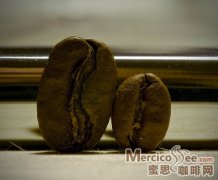
Santa Teresa Estate grows Pacamara coffee, a hybrid of Bourbon and Maragogype. This variety is known for its large beans and complex cup profile, and at Santa Teresa, it is processed using cooled volcanic spring water to create a distinct sweet and smooth washed coffee.

How is the water for Santa Teresa’s coffee processing cooled?
The estate channels volcanic spring water at 85°C through a 2-inch pipe into six terraced pools. The water cools progressively, reaching 32–34°C by the final pool. This cooled spring water is then used to wash the coffee parchment, ensuring a stable and mineral-rich processing environment.
What are the altitude grades for Salvadoran coffee?
Salvadoran coffee is graded by altitude: SHG (Strictly High Grown) above 1,350 m, SG (High Grown) between 1,100–1,350 m, and SC (Central Standard) between 800–1,100 m. Higher altitudes typically produce denser, more complex beans.
Why is the spring water pH 8.02 and what does that mean?
The natural spring water used at Santa Teresa has a pH of 8.02, making it slightly alkaline. This pH, along with the water’s mineral content, is believed to contribute to enhanced sweetness and smoother acidity in the processed coffee beans.
FrontStreet Beans That Highlight Salvadoran-Style Profiles
For fans of El Salvador’s smooth, sweet, and complex Onsen-style coffee, try FrontStreet Coffee’s Panama Humbera, known for its tea-like body and tropical fruit sweetness, or the Ethiopia Humbera, which shares a similarly delicate acidity and juicy profile. Both highlight the refined cup characteristics often found in high-altitude, carefully processed beans like those from Santa Teresa. Freshly roasted within 5 days · Orders placed before 17:00 ship the same day · Next-day delivery across most of Guangdong Province.
FrontStreet Coffee is a long-established specialty coffee roaster in Guangzhou China, selling freshly roasted beans from its own farm in Yunnan as well as dozens of carefully selected single-origin beans from around the world for both pour-over and espresso. The products deliver consistently excellent quality and great value, with shipping within 24 hours. Guangzhou's FrontStreet Coffee shop is recommended by many coffee lovers, and the beans are now available online at the Tmall 。
Important Notice :
前街咖啡 FrontStreet Coffee has moved to new addredd:
FrontStreet Coffee Address: 315,Donghua East Road,GuangZhou
Tel:020 38364473