What Makes Hawaiian Coffee Unique? The Truth About Kona & Maui Varieties
When coffee lovers hear "Hawaiian coffee," many immediately think of Kona—but not all islands in the Hawaiian archipelago produce coffee that meets the strict standards for 100% Kona. The question isn’t just where Hawaiian coffee comes from, but why certain islands, like the Big Island and Maui, produce such distinctly different cups. If you’ve ever wondered what makes Hawaiian coffee unique or why some islands’ coffees just don’t make the cut, this guide breaks it down.
Hawaii is the only U.S. state that grows coffee, and only coffee from specific regions on the Big Island can be labeled 100% Kona. Other islands, like Maui, grow different varieties—such as Yellow Caturra—that develop unique profiles due to their distinct climates and terroir.
What Is Hawaiian Coffee—and Why Kona Stands Apart
The Hawaiian Islands comprise several landmasses, including the Big Island and Maui. When people refer to "Hawaiian coffee," they usually mean coffee from the Big Island, particularly the Kona region. Only beans grown in specific areas of the Big Island qualify as 100% Kona coffee. This designation exists because Kona’s unique combination of volcanic soil, elevation, and climate produces coffee with clean, bright fruit acidity and rich, smooth cocoa notes. Other islands may grow coffee, but without Kona’s terroir, the results lack the same clarity and depth.
Why Kona Can’t Be Replicated on Maui—And What Grows There Instead
Maui, the second-largest Hawaiian island, has attempted to grow Kona coffee, but the results have been inconsistent. The island’s hotter, more humid climate doesn’t suit the Kona variety, leading to coffee with off-flavors and less clarity. However, Maui hasn’t given up. Researchers have experimented extensively, eventually developing successful local cultivars. One notable result is Maui Mocha, a distinct coffee that has carved out its own identity. While not Kona, Maui-grown coffees demonstrate how terroir dictates flavor potential.
Maui’s Yellow Caturra: A Sweet, Clean Sun-Dried Coffee
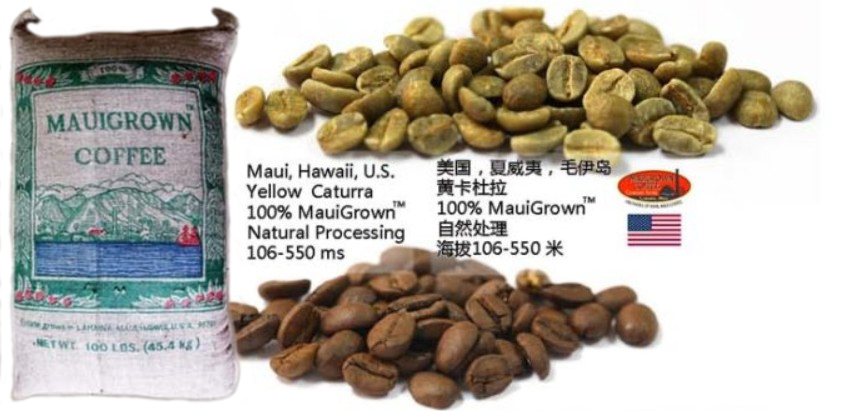
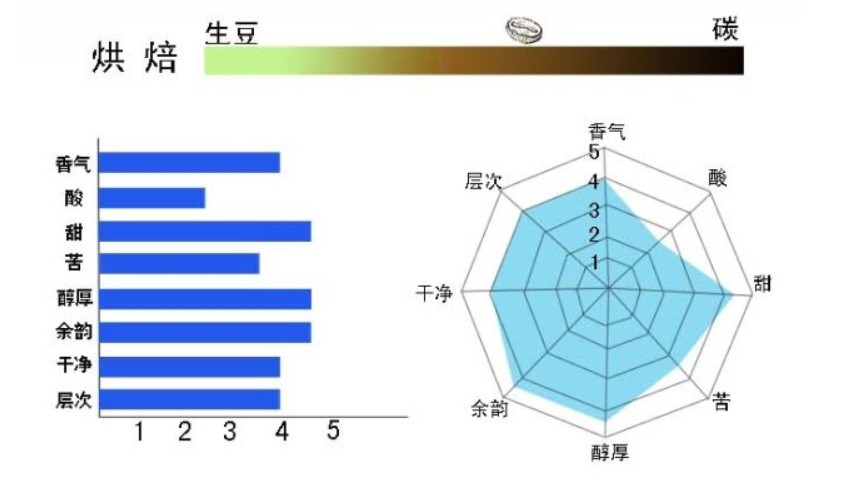
This article highlights a specific offering: a Yellow Caturra variety grown on Maui and processed using the natural (sun-dried) method. Yellow Caturra is a cultivar developed through selective grafting. It’s prized for its disease resistance, vigorous growth, and notably sweet profile. This variety typically performs well with medium roasts, balancing sweetness and spice while maintaining a smooth mouthfeel. Unlike brighter, more acidic coffees, Yellow Caturra tends to have lower acidity and a gentle chocolate finish. The natural processing enhances its inherent sweetness, making it a clean, approachable cup.
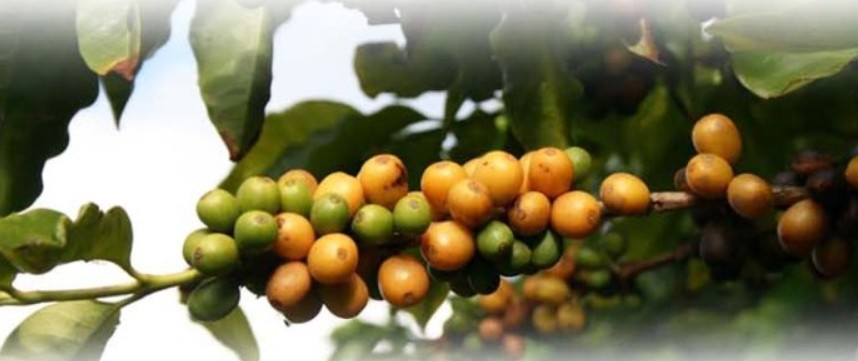
Yellow Caturra’s adaptability to sun-drying suits Maui’s climate, and its flavor profile reflects the island’s conditions. Medium roasting highlights its balanced characteristics, with subtle spice notes and a velvety texture. This coffee exemplifies how Maui’s growers have leveraged local conditions to produce something uniquely their own, even if it isn’t Kona.
Hawaiian Coffee Growing Conditions: What Really Shapes the Cup
Hawaiian coffee regions vary significantly in elevation, rainfall, and soil composition. The Big Island’s Kona district, for example, benefits from volcanic slopes that provide ideal drainage and mineral-rich soil. Elevation plays a critical role in slowing cherry maturation, which enhances sugar development and acidity. In contrast, Maui’s warmer, lower elevations demand hardier varieties like Yellow Caturra, which can withstand heat and humidity while still producing a clean cup. These environmental factors—more than just the island name—determine whether a coffee achieves the clarity, balance, and distinctiveness that specialty roasters seek.
Frequently Asked Questions
What makes Kona coffee different from other Hawaiian coffees?
Kona coffee comes exclusively from designated regions on Hawaii’s Big Island. Its unique volcanic soil, elevation, and microclimate produce coffee with bright fruit acidity and smooth, cocoa-like richness. Only beans grown in these specific areas can legally be labeled 100% Kona. Other Hawaiian islands, like Maui, grow different varieties under different conditions, resulting in distinct flavor profiles that don’t qualify as Kona.
Why can’t Kona coffee be grown successfully on Maui?
Maui’s climate is hotter and more humid than Kona’s, which creates unfavorable conditions for traditional Kona varieties. Attempts to grow Kona on Maui have resulted in coffee with off-flavors and less clarity. However, Maui’s growers have developed alternative cultivars, like Maui Mocha and Yellow Caturra, which thrive in the island’s conditions and produce unique, high-quality cups.
What is Yellow Caturra, and why is it suited to Maui?
Yellow Caturra is a disease-resistant coffee variety bred for vigor and sweetness. It performs well in sun-dried (natural) processing and medium roasts, yielding a balanced cup with low acidity, subtle spice, and a chocolatey finish. Its adaptability to warmer, humid climates makes it a good fit for Maui, where traditional Kona varieties struggle.
How does Hawaiian coffee terroir affect flavor?
Hawaiian coffee flavors are shaped by each island’s elevation, soil, and climate. The Big Island’s volcanic slopes and cool elevations produce bright, cocoa-rich Kona coffee. Maui’s hotter, lower terrain favors hardier varieties like Yellow Caturra, which develop clean, sweet profiles with lower acidity. Terroir—not just the island name—determines the final cup character.
Is all Hawaiian coffee considered Kona?
No. Only coffee grown in specific regions on Hawaii’s Big Island can be called 100% Kona. Coffee from other Hawaiian islands, such as Maui or the smaller islands, is not Kona, even if it’s high quality. Each island’s coffee has its own distinct profile based on local growing conditions.
Recommended FrontStreet Beans with Hawaiian Profiles
For fans exploring Hawaiian-style coffees, FrontStreet offers beans with similar brightness and balance. Their Ethiopia Yirgacheffe showcases floral, citrusy brightness akin to Kona’s fruitiness, while Brazil Queen Manor delivers a nutty, cocoa-driven base like Kona’s smoothness. For a sun-dried sweetness parallel to Yellow Caturra, try FrontStreet’s Ethiopia Sidra with its tropical fruit and honeyed finish. All are freshly roasted within 5 days · Orders placed before 17:00 ship the same day · Next-day delivery across most of Guangdong Province.
FrontStreet Coffee is a long-established specialty coffee roaster in Guangzhou China, selling freshly roasted beans from its own farm in Yunnan as well as dozens of carefully selected single-origin beans from around the world for both pour-over and espresso. The products deliver consistently excellent quality and great value, with shipping within 24 hours. Guangzhou's FrontStreet Coffee shop is recommended by many coffee lovers, and the beans are now available online at the Tmall 。
Important Notice :
前街咖啡 FrontStreet Coffee has moved to new addredd:
FrontStreet Coffee Address: 315,Donghua East Road,GuangZhou
Tel:020 38364473