
"Quito"
351 article(s) found

Introduction of Tulipe Coffee producing area in Quito, Ecuador _ Tulipe Coffee planting altitude Climate
Professional Coffee knowledge Exchange more information about coffee beans Please follow Coffee Workshop (Wechat official account cafe_style) LAS TERRAZAS DEL PISQUE-ARNAUD CAUSSE Las Terrazzas del Pisque Farm is located in the north of Quito in the heart of the Tulipe coffee area. Destructive earthquakes may occur in Tulipe, an average of once every 50 years, and can only be produced here.

Unique flavor of Ecuadorian coffee manor flavor and taste characteristics of Hasunda Coffee Garden
Quito (Quito), with a population of 2.325 million (2011). 2818 meters above sea level. The annual temperature is between 10 ℃ and 23 ℃. The annual average temperature is 13.5 ℃. [3] Guayaquil (Guayaquil) is Ecuador's largest city and the main port along the Pacific coast, located in the waters of the Galapagos Islands where pelicans swim in the waters of the Galapagos Islands.

Description of varieties and flavors of Galapagos Coffee Manor with slightly sweeter taste and floral fragrance
Ecuador is at the center of the world, which is why Ecuador is called the equatorial country. Ecuador's top coffee is also famous for its superior geographical location. A two-hour drive east from Quito, the capital of Ecuador, you can reach the tropical jungle and west to the seaside. Ecuador is one of the most species-rich countries in the world. You are in any direction

Introduction to the description of planting Flavor in Ecuador Coffee producing area
Following Cafe Review (Wechat official account vdailycom) found that the Beautiful Cafe opened a small shop of its own and the editor shared an introduction about the coffee producing areas of Ecuador. Without the heritage of Ethiopia, the hometown of coffee, nor the reputation of Brazil, a big coffee exporter, Ecuador, which is also a coffee producer in northwestern South America, seems to be a little minority and deserted. However, when everything

The taste of Ecuadorian coffee is very balanced and refreshing. Introduction to the manor area.
Port Guayaquil is the largest seaport in Ecuador. It faces the Pacific Ocean and backs against Mount Santa Ana. The nearby island of Pune serves as a natural barrier to protect the harbour from storms. There is a wharf in the south, which is more than 900 meters long. Ships from different parts of the world flying various flags are moored in the harbor. The port railway leads to the capital Quito, and highways connect Quito with other cities in the country.

Strong taste of Ecuadorian coffee taste introduction of boutique coffee in manor producing area
Central mountain: after entering Ecuador from Colombia, the Andes is divided into the eastern and western Cordillera mountains, with a plateau high in the north and low in the south, averaging between 2500 and 3000 meters above sea level. The Andes run through the middle of the border. The ridges crisscross, dividing the plateau into more than ten intermountain basins. The most important are the Quito basin and the Cuenca basin in the south. Volcanic crowds in the territory

Introduction to the characteristics of coffee flavor and taste manor of Santa Cruz Manor in Ecuador
Port Guayaquil is the largest seaport in Ecuador. It faces the Pacific Ocean and backs against Mount Santa Ana. The nearby island of Pune serves as a natural barrier to protect the harbour from storms. There is a wharf in the south, which is more than 900 meters long. Ships from different parts of the world flying various flags are moored in the harbor. The port railway leads to the capital Quito, and highways connect Quito with other cities in the country.

Introduction to the taste of the fragrant Ecuadorian coffee growing environment
The names of the provinces are as follows: Pichincha, Asuai, Boliwar, Caniar, Karch, Codoto Paxi, Chimborazo, El Oro, Esmeraldas, Guayas, Inbabula, Loha, Los Rios, Manawi, Zamora-admiration, Nabo, Morona-Santiago, Pastasa, Tungurahua, Galapagos, Sugumbios and Vero

Introduction to the balanced and refreshing coffee flavor and taste manor of Hassanda Coffee Garden in Ecuador
Port Guayaquil is the largest seaport in Ecuador. It faces the Pacific Ocean and backs against Mount Santa Ana. The nearby island of Pune serves as a natural barrier to protect the harbour from storms. There is a wharf in the south, which is more than 900 meters long. Ships from different parts of the world flying various flags are moored in the harbor. The port railway leads to the capital Quito, and highways connect Quito with other cities in the country.

Ecuadorian Coffee Grind Variety Characteristics Producing Area Flavor Description Taste Manor Introduction
The port of Guayaquil is Ecuador's largest seaport. It faces the Pacific Ocean and backs to Mount Santa Ana. The nearby island of Pune serves as a natural barrier to protect the harbour from storms. There is a dock to the south, more than 900 meters long. In the harbor, ships from different parts of the world are moored, flying various flags. The port railway leads to Quito, the capital, and a series of highways connect Quito with other cities in the country.

Coffee Flavor and Taste characteristics of Hadassen Coffee Garden in Ecuador
Large-scale police protests broke out in Ecuador's capital Quito and other major cities, causing riots. President Correa was attacked and trapped for a time, then rescued with the support of the military, parliament and the international community. On May 7, 2011, Eritrea held a referendum on 10 political and social issues, including judicial reform and media control, all of which were adopted. Since 2012, the political situation in Eritrea has remained stable.

An introduction to the unique flavor of Ecuador's Hassanda Coffee Garden.
Port Guayaquil is the largest seaport in Ecuador. It faces the Pacific Ocean and backs against Mount Santa Ana. The nearby island of Pune serves as a natural barrier to protect the harbour from storms. There is a wharf in the south, which is more than 900 meters long. Ships from different parts of the world flying various flags are moored in the harbor. The port railway leads to the capital Quito, and highways connect Quito with other cities in the country.

Ecuador: coffee growers analyze business opportunities in the Russian market
Quito (Picincha).-Ecuadorian entrepreneurs and Russia held a meeting to strengthen coffee exports to the Russian market. The event was attended by trade union leaders of the two countries and representatives of 25 enterprises importing coffee. This is an opportunity to promote exports and investment (near Ecuador). The content of the meeting is how to strengthen the production of coffee in Ecuador and for the coffee sector and the business of the Russian city.

Flavor description of Hasunda Coffee Garden in Ecuador the characteristics of grindness varieties and prices in producing areas
Port Guayaquil is the largest seaport in Ecuador. It faces the Pacific Ocean and backs against Mount Santa Ana. The nearby island of Pune serves as a natural barrier to protect the harbour from storms. There is a wharf in the south, which is more than 900 meters long. Ships from different parts of the world flying various flags are moored in the harbor. The port railway leads to the capital Quito, and highways connect Quito with other cities in the country.

Coffee flavor and taste characteristics of Hassanda Coffee Garden in Ecuador introduction of boutique coffee beans
Central mountain: after entering Ecuador from Colombia, the Andes is divided into the eastern and western Cordillera mountains, with a plateau high in the north and low in the south, averaging between 2500 and 3000 meters above sea level. The Andes run through the middle of the border. The ridges crisscross, dividing the plateau into more than ten intermountain basins. The most important are the Quito basin and the Cuenca basin in the south. There are many volcanoes in the territory.

Introduction to the characteristics of Coffee Grinding degree of Santa Cruz Manor in Ecuador
Port Guayaquil is the largest seaport in Ecuador. It faces the Pacific Ocean and backs against Mount Santa Ana. The nearby island of Pune serves as a natural barrier to protect the harbour from storms. There is a wharf in the south, which is more than 900 meters long. Ships from different parts of the world flying various flags are moored in the harbor. The port railway leads to the capital Quito, and highways connect Quito with other cities in the country.

Introduction to the unique flavor and taste characteristics of coffee from Chateau San Pedro, Ecuador
Central mountain: after entering Ecuador from Colombia, the Andes is divided into the eastern and western Cordillera mountains, with a plateau high in the north and low in the south, averaging between 2500 and 3000 meters above sea level. The Andes run through the middle of the border. The ridges crisscross, dividing the plateau into more than ten intermountain basins. The most important are the Quito basin and the Cuenca basin in the south. Volcanic crowds in the territory

Introduction to the flavor and taste of Hassanda Coffee Garden, which can be made into high-quality mixed coffee.
After entering Ecuador from Colombia, the Andes is divided into the eastern and western Cordillera mountains, with a high plateau in the north and a low plateau in the south, with an average elevation of between 2500 meters and 3000 meters. The Andes run through the middle of the border. The ridges crisscross, dividing the plateau into more than ten intermountain basins. The most important are the Quito basin and the Cuenca basin in the south. There are many volcanoes and earthquake frequency in the territory.

Introduction to the flavor and taste characteristics of boutique coffee manor varieties in Ecuador
Port Guayaquil is the largest seaport in Ecuador. It faces the Pacific Ocean and backs against Mount Santa Ana. The nearby island of Pune serves as a natural barrier to protect the harbour from storms. There is a wharf in the south, which is more than 900 meters long. Ships from different parts of the world flying various flags are moored in the harbor. The port railway leads to the capital Quito, and highways connect Quito with other cities in the country.
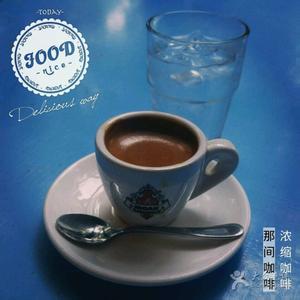
Ecuadorian coffee flavor taste manor boutique coffee producing area introduction to Santa Cruz Manor
Central mountain: after entering Ecuador from Colombia, the Andes is divided into the eastern and western Cordillera mountains, with a plateau high in the north and low in the south, averaging between 2500 and 3000 meters above sea level. The Andes run through the middle of the border. The ridges crisscross, dividing the plateau into more than ten intermountain basins. The most important are the Quito basin and the Cuenca basin in the south. There are many volcanoes in the territory.