
"Records"
2054 article(s) found

The spread of Coffee in China China's own unique coffee culture
According to historical records, coffee trees were first planted in Taiwan in 1884, and coffee cultivation in mainland China began in Yunnan. In 1902, a French missionary named Tian introduced seeds from Yinggong County in Binchuan County, Yunnan Province. it was successfully planted in a place called Zhu Kula, which is located on the bank of the Yushan River, a tributary of the Jinsha River. The commercial cultivation of coffee in Yunnan began in 1985, but its development is slow.

The basic knowledge of Coffee Culture the History of Coffee in China
According to historical records, coffee trees were first planted in Taiwan in 1884, and coffee cultivation in mainland China began in Yunnan. In 1902, a French missionary named Tian introduced seeds from Yinggong County in Binchuan County, Yunnan Province. it was successfully planted in a place called Zhu Kula, which is located on the bank of the Yushan River, a tributary of the Jinsha River. The commercial cultivation of coffee in Yunnan began in 1985, but its development is slow.

The History of Coffee in China the History of Chinese Coffee Culture
According to historical records, coffee trees were first planted in Taiwan in 1884, and coffee cultivation in mainland China began in Yunnan. In 1902, a French missionary named Tian introduced seeds from Yinggong County in Binchuan County, Yunnan Province. it was successfully planted in a place called Zhu Kula, which is located on the bank of the Yushan River, a tributary of the Jinsha River. The commercial cultivation of coffee in Yunnan began in 1985, but its development is slow.

How to record coffee cup meter and flavor description of professional coffee
During the cup test, all the conditions for brewing coffee are tested by the same standard, and the cup test is also a way of brewing coffee. Since it is brewing coffee, we must pay attention to how to minimize the differences that may be caused by human factors. Here are a few points to pay attention to. The fineness of coffee particles measured in the cup is based on hand pulping. If you use an ordinary bean grinder, you can.

General knowledge of Fine Coffee Culture on the History of Coffee in China
According to historical records, coffee trees were first planted in Taiwan in 1884, and coffee cultivation in mainland China began in Yunnan. In 1902, a French missionary named Tian introduced seeds from Yinggong County in Binchuan County, Yunnan Province. it was successfully planted in a place called Zhu Kula, which is located on the bank of the Yushan River, a tributary of the Jinsha River. The commercial cultivation of coffee in Yunnan began in 1985, but its development is slow.

Coffee culture is full of every moment of life in China's "coffee culture".
According to historical records, coffee was first planted in Taiwan in 1884, which opened the prelude to the development of coffee in China. The earliest coffee cultivation in mainland China began in Yunnan, when a French missionary brought the first coffee seedlings to Binchuan County in Yunnan Province at the beginning of the 20th century. In the following nearly a hundred years, coffee was only planted in the vast territory of China. However, in recent years

Jazz themed coffee cocktail bar
When did coffee shops start playing jazz? The origin and development of coffee shops are not due to JAZZ. The reason is that in France, Italy and other countries where coffee shops are crowded, there is no background music in coffee shops. Especially in French cafes, everyone likes to put a table in front of the window along the street, and then sit down in a row, chatting everywhere.

The latest developments of Luckin Coffee! The court agreed to Luckin Coffee's compensation of 180 million US dollars!
Luckin Coffee made his latest response after Luckin Coffee agreed to pay a $180 million fine to settle the fraud case with the Securities and Exchange Commission (SEC) on the evening of Feb. 8, Beijing time. Luckin Coffee announced on his website that he had reached a settlement with the US Securities and Exchange Commission over the financial fraud of some of his former executives and employees, and the settlement plan

The introduction of Ruili Jingpo Nongxian coffee was recorded in 1914.
In April 1996, compiled by the compilation Committee of Ruili City Chronicles of Yunnan Province, the fifth coffee section on page 383 of Ruili City Chronicles published by Sichuan Dictionary Publishing House recorded that as early as 1914, the Jingpo nationality had been introduced from Myanmar to Nongxian Township for cultivation. The local series of books of the people's Republic of China, Records of Yunnan Province, Volume 39, Records of Land Reclamation, Chapter 3, Section 2, Coffee is recorded: the cultivation of coffee in China began in 1884.

The profession of coffee roaster is not only expressing coffee, but also expressing oneself.
Following Cafe (official Wechat account vdailycom) found that the roasting curve of Beautiful Cafe opening its own shop is a professional term in the coffee roasting world. It records the changes in the roasting process and is the key to grasping the taste of coffee. The dehydration of coffee needs to be carefully recorded, which affects how to use a few percent of the capacity of the coffee baking boiler and how to adjust the heat.

Yemeni Coffee Ancient Morning Coffee Mocha Coffee and Yemeni Coffee Origin History
Professional coffee knowledge exchange more coffee bean information Please follow the coffee workshop (Wechat official account cafe_style) the history of each country records its own culture and craftsmanship. For example, Japanese paper, Indian silk and Persian carpets. When it comes to Yemen, the most representative is coffee. In Yemen, there is nothing like the unique history of coffee trade and ancestral coffee cultivation skills.
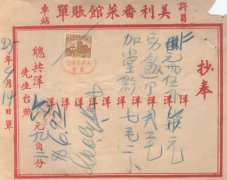
The earliest western restaurant in China was called Fancai Restaurant
Chinese people begin to recognize western culture by observing westerners 'living habits. The Chinese found that Westerners drink soup first, then eat; eat first, then drink. They couldn't explain this abnormal Chinese living habit, and they finally concluded that the fundamental reason why Westerners and Chinese living habits are different is that Westerners believe that the earth is round and Chinese head to head.
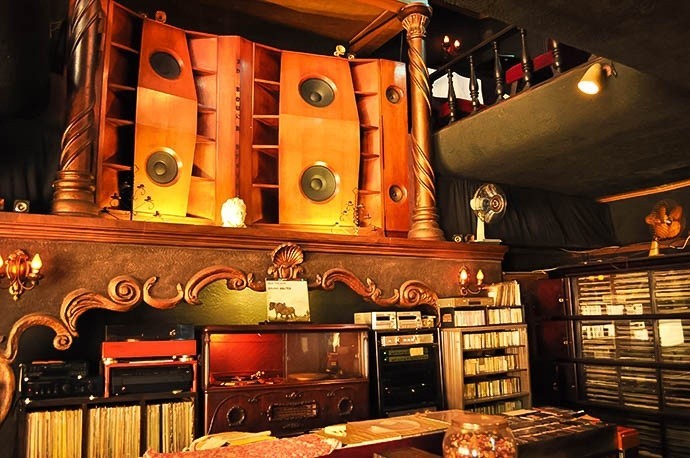
Shibuya, a world heritage music coffee shop, is famous for eating tea.
For the exchange of professional baristas, follow the coffee workshop (Wechat official account cafe_style). In the 1950s and 1960s, a coffee shop called "Mingqu eating Tea" was very popular in Tokyo. In addition to the coffee itself, the focus of this kind of cafe is mainly on classical music. The high-priced speakers and vinyl records are unmatched by ordinary families, and people are willing to go out and sit in the cafe.

Chinese coffee culture the earliest western restaurant in China is called vegetable Restaurant.
Chinese people begin to understand western culture by observing the living habits of westerners. The Chinese find that Westerners drink soup first, then eat; eat first, then drink. Unable to explain this abnormal living habit in China, they were puzzled and finally concluded that the fundamental reason why the living habits of Westerners and Chinese are different is that Westerners believe that the earth is round.

The smallest coffee shop in the world
According to foreign media reports, a man opened a 2-square-meter mini coffee shop in Lincoln, England, with only two stools and a maximum of four people at the same time. This coffee shop is expected to be listed in the Guinness Book of Records and become the smallest coffee shop in the world because of its small area. At present, the coffee shop can only receive 35 guests a day. Photo: Sogou screenshot August 11, 14, 0023_6.png
Explore the history of Chinese coffee spread
According to historical records, planting in Taiwan was successful for the first time in 1884. Since then, coffee trees have been planted in China. Coffee planting in Daliu began in Yunnan Province. In 1902, a French missionary named Tian introduced seeds from India and Gong, and planted them successfully in Binchuan County, Yunnan Province, located in Zhukula, a tributary of Jinsha River. Commercial cultivation of Yunnan coffee began in 1985, but the development was slow.
The record of coffee in Compendium of Materia Medica
How is coffee recorded in the Compendium of Materia Medica? it is recorded in the Compendium of Materia Medica: [coffee] shrubs, fruit kernels can be used as medicine, sex temperature, bitter and sour taste, refreshing and refreshing, stomach digestion. Can treat mental malaise, yang qi block, children accumulated food. Incompatibility: Codonopsis pilosula, Croton, alum, cold noodles. Usage: processed into powder, which is called Tishen Powder. Two dollars a day, one for milk and one for sugar.

Coffee flavors from different coffee producing areas around the world Coffee production in Cuba
Cuba recorded that there were 2067 coffee plantations in Cuba in 1833. Among them, the earliest seven coffee plantation sites, such as Raglan Piedra, Elkovre, El Salvador and Nisto Perez, are listed as World Cultural Heritage. The seven coffee plantations are the foothills of the Maestra Mountains in the provinces of Santiago and Guantanamo in southeastern Cuba in the 19th century (figure 17 is a postcard).

Coffee production in Cuba
In 1833, Cuba had 2067 coffee plantations. Among them, seven coffee plantation sites, such as La Gran Piedra, Elkofre, El Salvador and Nisto Perez, which were the earliest established coffee plantations, are listed as world cultural heritage sites. These seven coffee plantations were established in the 19th century in the foothills of Maestra in the provinces of Santiago and Guantanamo in southeastern Cuba (postcard in Figure 17).

Konan Cafe opened in Shibuya, Japan
To celebrate the screening of the latest theatrical version of Detective Conan on April 18, Conan Cafe was opened at TOWER RECORDS CAFE Shibuya from March 28th to May 10th. Although it is the theme of death pupils, it still looks like I want to go!