
"Refining"
1576 article(s) found

Fruit aroma and flower aroma of Ethiopian coffee in Hidamo area
1. A variety of fine coffee. It is better to use Arabica inherent variety Tibica or bourbon variety. two。 Is the altitude, topography, climate, soil and refinement of the cultivated land or farm clear? Generally speaking, the coffee with high altitude is of higher quality, and the fertile volcanic soil is the best. 3. The harvesting method and refining method are adopted. Generally speaking, manual harvesting method and washing essence are adopted.

Kenyan Coffee Bean Cafe with berry, citrus and plum taste
1. A variety of fine coffee. It is better to use Arabica inherent variety Tibica or bourbon variety. two。 Is the altitude, topography, climate, soil and refinement of the cultivated land or farm clear? Generally speaking, the coffee with high altitude is of higher quality, and the fertile volcanic soil is the best. 3. The harvesting method and refining method are adopted. Generally speaking, manual harvesting method and washing essence are adopted.
What is the cup test? What is a cup test?
Before raw coffee beans are sent to all parts of the world, cup tests will be carried out by coffee farmers' associations or refining factories in the producing areas, that is, to try to confirm the aroma and taste of beans, to judge the flavor and taste of coffee, and to identify the quality of a type of coffee. it's a very scientific method. Before raw coffee beans are sent to all parts of the world, they will be entered by coffee farmers' associations or refineries from the producing areas.

Is Panamanian coffee good? the characteristics of Panamanian coffee.
Following Cafe (official Wechat account vdailycom) found that the microclimate of the Panamanian Heights is the most important resource that makes Panamanian coffee unique. The most important resource that makes Panamanian coffee unique is its microclimate. The east-west environment of the Republic of Panama allows cold air to flow through the Central Mountains and converge in 6500.

Yega Chefen Cochel G1 taste description Coffee Flavor Manor area introduction
Yega Chet Coffee Cochel G1 Taste description Coffee Flavor Flavor region introduction of Yirgacheffe G1 is a grade specially made by Mitsubishi of Japan to Ethiopia Coffee&Tea Authority, which first appeared on the market in 2002-03. G1 beans are not produced in the same way as usual screening, but from Y

How to distinguish the defective beans from coffee beans
The coffee bean itself is a small, light green bean that turns black by roasting what should be a light turquoise bean. Immature beans are over-fermented in the process of refining, resulting in microbial infection, mixed taste, sour smell, mildew smell, drug flavor (phenolic henoic), etc., which may contain biotoxins. Sour beans / local sour beans: raw beans appear yellow and yellow brown

Where did the coffee beans come from? How is coffee made?
Professional coffee knowledge exchange more information about coffee beans Please follow the coffee workshop (Wechat official account cafe_style) Coffee beans are the fruit seeds of Rubiaceae coffee trees. Because the fruit looks like a red cherry, it is often called COFFEE CHERRY. After the peel, pulp, endocarp, silver skin and other parts of the fruit are removed, the raw coffee beans can be obtained and the process can be started.

Brazilian boutique coffee from Syracuse is extremely smooth and smooth with sweet taste and low acidity.
1. A variety of fine coffee. It is better to use Arabica inherent variety Tibica or bourbon variety. two。 Is the altitude, topography, climate, soil and refinement of the cultivated land or farm clear? Generally speaking, the coffee with high altitude is of higher quality, and the fertile volcanic soil is the best. 3. The harvesting method and refining method are adopted. Generally speaking, manual harvesting method and washing essence are adopted.

What is the meaning of making coffee beans by washing? introduction to the method of flavor description and taste treatment
Introduction to the taste classification of ▼ coffee beans: sour mocha, Hawaiian sour coffee, Mexico, Guatemala, Costa Rica high real estate, Gillimanjaro, Colombia, Zimbabwe, El Salvador, Western Hemisphere washable premium new beans. Bitter Java, Mantenin, Bogota, Angola, Congo,

How to tell if defective beans in coffee affect coffee flavor
Professional coffee knowledge exchange More coffee bean information Please pay attention to coffee workshop (Weixin Official Accounts cafe_style) Defective beans refer to beans with abnormal development, or beans contaminated during refining. If defective beans are mixed with green beans, the aroma of coffee will be affected, and the brewing quality will be lower than that of coffee without defective beans. After harvesting coffee, farmers usually put coffee cherries first

Costa Rica Dota Valley | Pilar Manor mixed varieties Water washing | Baking and hand flushing skills
Professional coffee knowledge exchange more coffee bean information please follow the coffee workshop (Wechat official account cafe_style) front street coffee individual coffee recommendation | Costa Rica Shumawa black honey | Costa Rica Angel Manor Solar Costa Rica-Dorta Valley Pilla Manor Kaddura / Kaduai / Rose Summer Variety washing Costa Rica-Dota ValleyLa

Coffee roasting-illustration of defective coffee beans
Professional coffee knowledge exchange more coffee bean information please pay attention to the coffee workshop (Wechat official account cafe_style) what are the defective beans that affect the aroma of coffee? Defective beans refer to abnormally developed beans or beans that are contaminated in the refining process. If defective beans are mixed with raw beans, the aroma of coffee will be affected, and the brewing quality will be lower than that of coffee without defective beans. The farmers are picking.

Introduction of Brazilian Coffee varieties and Manor producing areas
With regard to Brazil's Brazil production, which ranks first in the world, its consumption has also risen to the forefront of the world's population: annual coffee output of about 194 million people: 2.172 million tons of coffee varieties main varieties: bourbon, Mondonovo, Canifra, Icato treatment method: basic use of natural drying method, the use of sun exposure flavor characteristics: sour taste is relatively slight, flavor system is complex and famous
How to select defective beans? What are the categories of defective beans? Recognize all kinds of common defective beans
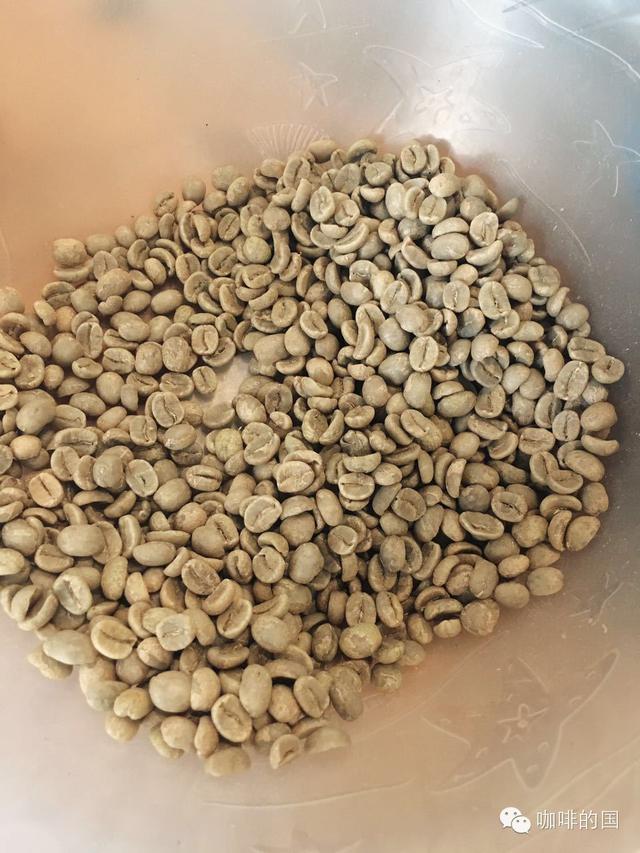
All black beans / partial black beans: raw beans that are supposed to appear light turquoise turn black. Immature beans are over-fermented in the process of refining, resulting in microbial infection, mixed taste, sour smell, mildew smell, drug taste and so on, which may contain biotoxins. Sour beans / local sour beans: raw beans have a yellow, yellowish-brown or reddish-brown appearance, usually accompanied by blackened germs, harvested or after harvest

What are defective beans, fine coffee, defective beans, sources of peculiar smell of raw beans
Professional coffee knowledge exchange more coffee bean information please pay attention to the coffee workshop (Wechat official account cafe_style) what are the defective beans that affect the aroma of coffee? Defective beans refer to abnormally developed beans or beans that are contaminated in the refining process. If defective beans are mixed with raw beans, the aroma of coffee will be affected, and the brewing quality will be lower than that of coffee without defective beans. The farmhouse is in

Characteristics of Yega Chuefei washing Woka Coffee beans
The exchange of professional baristas please pay attention to the coffee workshop (Wechat official account cafe_style) most of the refining methods of Yirgacheffe are water washing (washed) refining, which is fermented and shelled in the washing tank for about 72 hours and dried directly outside the plant. After the raw beans were manually selected and qualified by the Ethiopian Coffee Cocoa Management Agency, the raw beans passed the competitive bid.

What is the process of making coffee beans? what coffee beans grow in what coffee belt?
A cup of coffee alone contains an esoteric story. Do you know how coffee grows into the cup? How coffee beans are made, in fact, is to remove the peel, pulp, endocarp, silver skin and other parts of the fruit, you can get raw coffee beans, and start the output operation. It takes about three years for coffee to be planted and harvested from the beginning, but from the beginning to the beginning.

Coffee cup test | Coffee beans are graded by scientific principles
Before 2 cups of Coffee Cupping/Coffee Tasting coffee raw beans are sent to all parts of the world, they will be tested by coffee farmers' associations or refining factories of the producing areas, that is, they will try to confirm the aroma and taste of beans, judge the flavor and taste of coffee by cup test, and identify the quality of a type of coffee, which is a very scientific method. Before raw coffee beans are sent to all parts of the world,

Classification of coffee bean defects what kind of influence will defective bean flavor have on coffee flavor
Professional coffee knowledge exchange more information about coffee beans Please note that defective beans in the coffee workshop (Wechat official account cafe_style) refer to beans that are maldeveloped or contaminated during the refining process. If defective beans are mixed with raw beans, the aroma of coffee will be affected, and the brewing quality will be lower than that of coffee without defective beans. After picking the coffee, the farmers usually put the coffee cherries first
Coffee made in Yunnan, China, from planting to picking cycle
Coffee planting method introduces coffee drying method (1) drying method: also known as natural drying method, the fruit is spread out in the open-air sun field and dried in the sun. To avoid uneven drying or fermentation, it must be stirred at the right time. The bright red fruit like a log cherry will turn black after a week in the sun, and the skin and flesh will become hard and easy to take off. At night, cover with a tarp to block the night dew and dry it smoothly.