
"Roasting"
26756 article(s) found

Common sense of Coffee talking about the definition of various roasting degrees and Taste
In the United States, the baking degree has long been defined by Cinnamon (shallow roasting), City (shallow roasting), Fully City (deep roasting) and Dark roast (heavy deep roasting, including Italian and French). However, the American preference for coffee flavor has always been strong in the west and light in the east, so the shallow roasting on the west coast may be as deep as that on the east coast, and vice versa.

Coffee bean roasting knowledge coffee deep roasting and shallow roasting
Deep roasting and light roasting is simple, coffee beans are called deep roasting after the second burst, and before the first explosion is dense to the second burst, it is called light roasting to medium-deep roasting, and the color is closer to black with the deeper the roasting. First of all, let's talk about deep roasting. When it comes to deep roasting, be sure to talk about the legendary figure of the coffee industry-Alfred Peet. Mr. Pitt devoted himself to promoting heavy baking in the 1960s

Understand coffee roasting curve Coffee roasting degree explains several coffee roasting curves
For more information on coffee beans, please follow the coffee workshop (official Wechat account cafe_style) in the coffee roasting world, the baking curve is a technical term for recording changes during roasting, understanding the water content of raw coffee beans, and carefully measuring the weight before and after roasting. In addition to recording the production area and baking capacity, waiting for the baking to be completed, also
Coffee roasting technology roasting and roasting degree of coffee beans
Roasting causes coffee to produce coffee oil, which gives coffee a strong aroma. The most outstanding feature of this fragrance is that it is volatile and soluble in water. Therefore, people can not only smell the mellow smell of coffee beans, but also pour it into the cup and taste it carefully. Coffee is roasted to the following degrees: light roasting, light fragrance and high acidity is one of it.

Roasting basic knowledge roasting and roasting degree of coffee beans
Roasting causes coffee to produce coffee oil, which gives coffee a strong aroma. The most outstanding feature of this fragrance is that it is volatile and soluble in water. Therefore, people can not only smell the mellow smell of coffee beans, but also pour it into the cup and taste it carefully. Coffee is roasted to the following degrees: light roasting, light fragrance and high acidity is one of it.

General knowledge of coffee roasting roasting and roasting degree of coffee beans
Roasting causes coffee to produce coffee oil, which gives coffee a strong aroma. The most outstanding feature of this fragrance is that it is volatile and soluble in water. Therefore, people can not only smell the mellow smell of coffee beans, but also pour it into the cup and taste it carefully. Coffee is roasted to the following degrees: light roasting, light fragrance and high acidity is one of it.
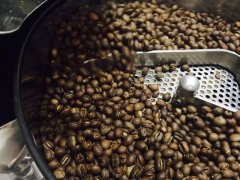
Coffee roasting degree detector mobile application Andord version
American Coffee Association (SCAA) roasting standard this standard uses infrared caramelization tester technology (Agtron) to measure the color of coffee beans to determine the roasting degree of coffee, and the color is divided into eight equal parts into eight standard color blocks for the coffee industry to determine the roasting. According to the roasting degree preferred by various countries, this is also the earliest distinction of coffee roasting degree, because
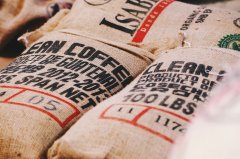
The basic concept of roasting Coffee beans the significance of Coffee Fried Culture
[the concept of roasting] roasting is the boiling of coffee beans, creating the unique color (amber), flavor and aroma of coffee. Roasting turns the light green raw coffee beans into the tea-brown coffee beans we are familiar with. High-standard fried roasting refers to the ingenious expression of the aroma, sour and bitter taste of raw coffee beans. [basic principles of baking] the most important thing is to be able to make beans

Coffee raw bean roasting temperature what is the effect of coffee roasting coffee roasting process
Professional coffee knowledge exchange more coffee bean information please follow the coffee workshop (Wechat official account cafe_style) Coffee roasting and grinding coffee in the roasting process, the formation of coffee's unique flavor, aroma components and typical brown coffee beans. Coffee is known to have more than 1000 different aroma components. By changing the baking conditions, the final coffee can be obtained according to the preferences of consumers.

Introduction of coffee roasting knowledge with acceptable aroma introduction of coffee roaster brand
1. Very shallow baking (LIGHTRoast): the degree of baking; very shallow baking, also known as shallow baking. The lightest roasting degree of all roasting stages, the surface of the coffee beans is a light cinnamon color, its taste and aroma are insufficient, this state is almost undrinkable. It is generally used for testing and seldom for tasting. 2. Shallow baking (CINNAMONRoast): baking degree; shallow baking

Effect of different roasting degree on coffee flavor
In the career planning of baristas, with the increasing popularity of boutique coffee in recent years, coffee roasting has become one of the hot learning programs, and new occupations related to it have become more and more mature. Roasters, cup testers, and baristas seem to be three independent occupations. but they have something in common. In addition to the inherent quality of raw beans, the taste of coffee mostly depends on roasting. Incorrect
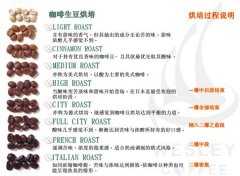
Common sense of roasting coffee beans deep roasting and light roasting of coffee
Deep roasting and light roasting is simple, coffee beans are called deep roasting after the second burst, and before the first explosion is dense to the second burst, it is called light roasting to medium-deep roasting, and the color is closer to black with the deeper the roasting. First of all, let's talk about deep roasting. When it comes to deep roasting, be sure to talk about the legendary figure of the coffee industry-Alfred Peet. Mr. Pitt devoted himself to promoting heavy baking in the 1960s
How the coffee roasting term describes the degree of roasting
The key to why coffee is loved by people lies in the aroma formed after roasting and the taste when drinking, because the coffee raw bean itself has no special taste. "baking" is like an ingenious magic, which completely changes and reorganizes the substances inside the raw beans to form a new structure and becomes a favorite drink with a strong and mellow flavor. So you know coffee roasting.

Coffee roasting terminology caramelization tester-caramel macchiato is coffee
Coffee roasting term caramelization tester-Caramel macchiato is the process of roasting coffee, bouncing like popcorn with fragrance and pleasure. From raw beans, light roasting to deep roasting, the water is released again and again, the weight is reduced, but the volume slowly expands and bulges, the color of coffee beans deepens, the fragrant oil is gradually released, and the texture becomes crisp. Raw beans ─ each coffee cherry

Simple understanding of coffee bean roasting and attention should be paid to the preservation conditions so as not to lose the flavor of coffee beans.
The roasting of coffee beans is the process of converting coffee from raw beans to ripe beans, which is generally divided into eight stages: very shallow roasting (LIGHT Roast), shallow roasting (CINNAMON Roast), micro roasting (MEDIUM Roast), medium roasting (HIGH Roast), medium and deep roasting (CITY Roast), deep roasting (FULL-CITY Roast), very deep roasting (FRENCH Roast), and very deep roasting (ITALIAN).

What does urban roasting mean? Urban roasting refers to the degree of roasting of coffee beans.
Professional coffee knowledge exchange More coffee bean information Please pay attention to coffee workshop (Weixin Official Accounts cafe_style) I. When judging the roasting degree of coffee beans, you can judge the degree of roasting by sound, color and aroma. Its color is from light gray to dark brown, aroma from elegant gradually rich; sound is issued twice burst sound, high temperature resistant raw beans for example, about the seventh minute began
Coffee knowledge Coffee roasting terms know how much
What are the coffee roasting terms? What is the difference in taste between coffee roasted in different ways? There are six broad categories of coffee roasting terms: light roast, light medium roast, medium roast, medium deep roast, deep roast, and very deep roast. Among these six categories, there are many tributaries, which make the world of coffee more exciting and mysterious. LIGHT ROASTS, MEAT

Coffee roasting the concept and principles of coffee roasting
As the name suggests, roasting is to provide heat to coffee beans, causing a series of chemical changes inside. Raw coffee beans show the unique color, aroma and taste of coffee by roasting. Every coffee bean contains fragrance, sour taste, sweet taste and bitter taste. How to release it incisively and vividly depends on the heat of baking. From the insipid raw beans to the endless fragrance in the cup
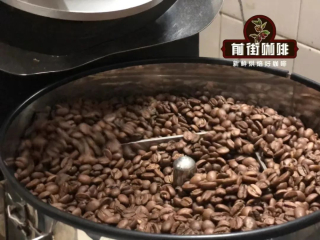
Coffee beans shallow moderate depth roasting characteristics what is the roasting degree of unsour coffee?
Some friends reflected that "there is no sign of roasting degree of coffee beans in the front street", and they planned to use an article to share the knowledge of coffee roasting degree to everyone. I believe that everyone's understanding of the roasting degree of coffee beans is basically sour is shallow baking, bitter is deep roasting. Of course, as an industry,

Differences in flavor with different roasting degrees self-baked black coffee
Raw coffee beans are actually tasteless and difficult to grind into powder, so you need to roast coffee beans in order to fully release their flavor. The purpose of roasting coffee is to heat the raw coffee beans to the desired maturity, and then make further adjustments to shallow or deep roasting according to the characteristics of the producing area of raw coffee beans or the designated requirements of customers.