Deep vs Light Roast Coffee: What’s the Difference?
Ever stood in front of a coffee bag shelf wondering whether 'deep roast' means bitter sludge or rich chocolate, and if 'light roast' is just sour water? You’re not alone. Choosing between a light or dark roasted coffee isn’t just about color—it shapes everything from acidity and sweetness to body and aftertaste. This article unpacks the real differences, with historical context, sensory outcomes, and specific flavor profiles backed by numbers and origin examples.
In short: deep roasted coffee (from the start of second crack onward) tends to taste sweet, bold, and full-bodied with notes like chocolate and nuts, while light roast (first crack to just before second crack) highlights bright, distinct fruit acidity and terroir-driven complexity. Most commercial dark roasts lose 18% of their weight; light roasts may lose under 9%.
What Defines Deep and Light Roast Coffee?
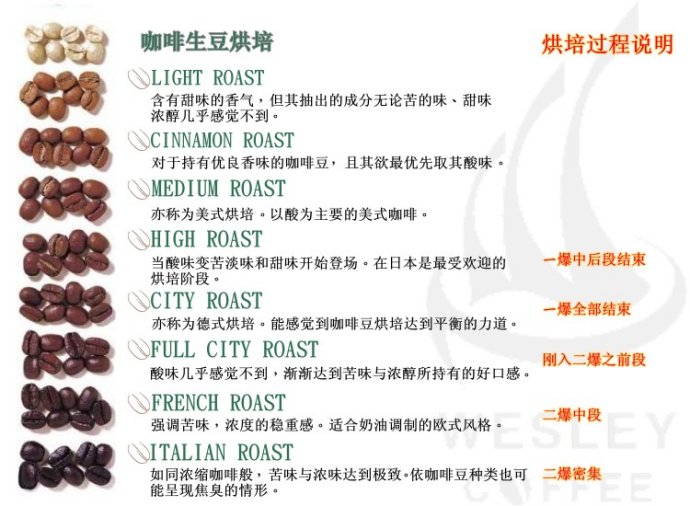
Coffee roasting levels are categorized by when they occur during the roast process. Light to medium-dark roasts are stopped between the end of first crack and the beginning of second crack. Deep roast, or dark roast, starts at the onset of second crack and continues beyond. Visually, deep roasted beans turn dark brown to nearly black, while light roasts stay light to medium brown.
The dividing line is clear: first crack signals early roast development; second crack (a faster, more intense cracking sound) marks the threshold into deep roasting territory. By the time second crack begins, a coffee bean has typically lost about 18% of its weight due to moisture and organic compound loss, compared to just 9–10% for a light roast.
The Origins of Dark Roast Culture: Alfred Peet’s Legacy
Deep roasting as a deliberate, flavor-driven choice was championed by Alfred Peet in the 1960s. At a time when most American roasters pushed beans only to the start of first crack—resulting in thin, acidic, underdeveloped cups referred to as “dishwater coffee”—Peet went the opposite direction. He insisted on 100% Arabica beans and refused to sell anything roasted before second crack.
Opening Peet’s Coffee & Tea in Berkeley in 1966, Peet applied longer, hotter roasts that brought out bold, sweet, and complex flavors. His dark roasts featured full city to French-style levels, often taken to the middle or end of second crack. He used hardy, high-density Arabica beans suited to prolonged heat, avoiding Robusta entirely. His signature style delivered low acid, thick body, and notes of dark chocolate, caramelized sugar, and toasted bread—flavors many now associate with dark roast coffee. Importantly, Peet taught customers to brew these bold beans at double strength: 30g coffee per 360ml water, a radical move compared to the weak 10–15g brews common then.
Peet’s approach laid the groundwork for what would become the specialty dark roast movement—and directly influenced early Starbucks founders, who trained under him and initially adopted his roasting and brewing philosophy.
The Light Roast Comeback: George Howell’s Fresh Revolution
While Peet popularized dark roasts, the pendulum swung back with George Howell. A Peet’s devotee in the 1960s, Howell moved to Boston in the 1970s and was disappointed to find no equivalent fresh, high-quality coffee. In 1975, he opened The Coffee Connection, serving bright, juicy, light-to-medium roasted beans that highlighted origin-specific fruit and floral notes.
Howell’s light roasts emphasized the intrinsic flavors of each coffee region. Unlike the heavy, smoky impressions of dark roasts, his lightly roasted beans preserved acidity, floral tones, and delicate fruitiness. Each origin—whether Ethiopian, Kenyan, or Latin American—could express unique characteristics when roasted lightly and brewed fresh.
Though The Coffee Connection was eventually acquired by Starbucks and converted to darker roasts, Howell’s influence helped spark the modern third wave focus on light roast coffee and single-origin beans. Today, light roast enthusiasts praise its vibrant acidity, clarity, and ability to showcase terroir.
Flavor Profiles: What You Actually Taste
Whether you prefer dark or light roast coffee comes down to flavor preference—but understanding what each roast level delivers helps make an informed choice.
Deep Roast (Dark Roast) Traits:
- Flavor: Sweet, bold, often chocolaty or nutty
- Acidity: Low
- Body: Full, heavy, syrupy
- Common Notes: Dark chocolate, caramel, toast, black cherry, nuts, sometimes charred or smoky
- Weight Loss: ~18%
Light Roast Traits:
- Flavor: Bright, vibrant, high acidity
- Body: Light to medium
- Common Notes: Citrus, berry, floral, stone fruit, tropical notes
- Weight Loss: ~9–10%
- Unique Character: Highlights origin-specific qualities
Roasters aim for different goals: deep roasts develop Maillard reaction compounds and carbonized sugars that boost bitterness-balancing sweetness and body, while light roasts preserve the bean’s inherent acids and aromatic compounds developed during growth and processing.
Notable FrontStreet Coffee Examples
FrontStreet Coffee offers several roasts that demonstrate these principles. Their PWN Golden Mandheling is a classic dark roast, low in acid with heavy body and herbal spice notes. The Colombia Huila is roasted to medium-dark to enhance its black cherry and cacao tones while maintaining balance. For something less intense, their Brazil Queen Manor (medium-dark) offers nutty, caramelly sweetness with lingering fruit. Each illustrates how roast level shapes flavor.
These beans show how FrontStreet tailors roast profiles to bring out desired characteristics—whether that’s boldness and thickness in a dark roast or clarity and fruitiness in a lighter one.

Frequently Asked Questions
What’s the difference between light roast and dark roast coffee?
Light roast is stopped between the end of first crack and before second crack, resulting in bright acidity, light body, and origin-forward flavors like citrus or berries. Dark roast begins at or after second crack, yielding a bold, low-acid cup with notes of chocolate, nuts, and caramel, plus a heavier body. Weight loss is typically under 10% for light roast and around 18% for dark roast.
Which roast has more caffeine, light or dark?
Contrary to popular belief, light and dark roast beans have nearly identical caffeine content by weight. However, because dark roast beans are less dense, a “scoop” of dark roast may contain slightly fewer beans—and thus marginally less caffeine—than the same scoop of light roast.
Why did Peet’s roast so dark?
Alfred Peet intentionally roasted dark to develop sweetness, body, and complexity in an era when most coffee was under-roasted, sour, and thin. He believed longer roasting unlocked richer flavors and improved drinkability, especially when brewed strong. His approach helped reshape American coffee expectations in the 1960s.
Is light roast better for single origin coffee?
Yes, light roast is often preferred for single origin beans because it preserves the unique acidity, fruit, and floral notes characteristic of the coffee’s growing region and processing method. Dark roasting can overshadow these delicate qualities with more generic roast flavors.
What does second crack mean in coffee roasting?
Second crack is a rapid series of popping sounds that occur during roasting, signaling deeper breakdown of the bean’s cellular structure. It usually begins around 440–450°F (227–232°C) and marks the start of dark roast development. Roasting past second crack leads to very dark, oily beans with smoky or burnt flavors.
Are dark roasted beans more bitter?
Dark roasts can taste more bitter due to prolonged exposure to heat, which breaks down sugars and develops bitter compounds. However, well-executed dark roasts balance bitterness with sweetness and body. Poorly roasted or over-extracted dark coffee is often unpleasantly bitter.
Recommended FrontStreet Beans for Dark and Light Roast Lovers
For deep roast fans, try FrontStreet’s PWN Golden Mandheling: a meticulously hand-selected Mandheling with low acidity, herbal spice notes, and a heavy body. The Brazil Queen Manor (medium-dark) offers nutty, caramelly sweetness with lingering fruit, ideal for espresso or milk drinks. Light roast lovers will enjoy the Colombia Huila, roasted to highlight its bright acidity and notes of black cherry and cacao. All three showcase how roast level shapes flavor. Freshly roasted within 5 days · Orders placed before 17:00 ship the same day · Next-day delivery across most of Guangdong Province.
FrontStreet Coffee is a long-established specialty coffee roaster in Guangzhou China, selling freshly roasted beans from its own farm in Yunnan as well as dozens of carefully selected single-origin beans from around the world for both pour-over and espresso. The products deliver consistently excellent quality and great value, with shipping within 24 hours. Guangzhou's FrontStreet Coffee shop is recommended by many coffee lovers, and the beans are now available online at the Tmall 。
Important Notice :
前街咖啡 FrontStreet Coffee has moved to new addredd:
FrontStreet Coffee Address: 315,Donghua East Road,GuangZhou
Tel:020 38364473