How to Describe Coffee Roast Levels in English
When you buy a bag of coffee, the roast level matters more than the country of origin—at least for how your cup tastes. But terms like ‘city roast’ or ‘French roast’ vary by country, and many coffee drinkers can’t tell a light roast from a dark one just by looking. If you’ve ever wondered how professionals talk about roast color and what those names actually mean, here’s the definitive guide.
Coffee professionals classify roast levels into six main categories: light, light-medium, medium, medium-dark, dark, and very dark. Each has 2–4 traditional names, specific color cues, and well-known flavor impacts—like acidity retention in light roasts or heavy body in dark ones.
What Is Coffee Roasting?
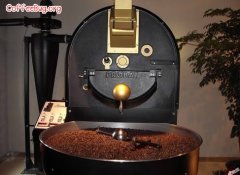
Roasting transforms raw, nearly flavorless green coffee beans into the aromatic, flavorful beans we brew. Through heat, internal moisture evaporates, sugars caramelize, and hundreds of aromatic compounds develop via the Maillard reaction. This “magic” is what turns a seed into a drink—flavor, aroma, and body all emerge during roasting.
The Six Standard Roast Levels
Coffee roasts are grouped into six bands, each with several historical or regional names. These aren’t strict science but industry-standard descriptors used by roasters worldwide.
1. Light Roasts
These include: Cinnamon, Half City, New England. Light roasts are used mostly for green bean evaluation or cupping—not for retail. They develop high acidity, low body, and bright flavors. The name 'Cinnamon' comes from the bean’s light tan color. These roasts suit only the highest-quality, often high-altitude Arabica beans.
2. Light-Medium Roasts
Examples: Light American, Light City, West Coast. These sit between light and medium, offering a balance entry point. They’re slightly darker than light roasts but still highlight origin traits with moderate development.
3. Medium Roasts
Includes: American, Breakfast, Brown. The 'American' roast (also called 'normal' or 'brown') is the classic mid-point: beans are fully developed with no surface oil, and often used for drip coffee. Color is medium-brown, and the roast stops before second crack.
4. Medium-Dark to Dark Roasts
Such as: Full City, Light French, Viennese. The Viennese roast is slightly darker than medium, showing slight surface oil and dark brown spots. Full City is the threshold before heavy roast styles—often considered the last point where origin flavors can balance with roast character.
5. Dark Roasts
Includes: After Dinner, Continental, European, French, Italian, New Orleans. The 'Continental' or 'French' roast is very dark, with deep brown to near-black color and visible oil. Italian roast is used for espresso—beans may appear almost black and feel greasy. In the U.S., this style is sometimes called 'espresso roast.' Flavor comes mostly from the roast, not the bean itself.
6. Very Dark Roasts
Such as: Dark French, Charcoal. 'Charcoal' roasts are rarely used. Beans are extremely dark, almost burned, with a smoky, ashy profile. Most drinkers find these unpleasantly bitter with little origin character left.
Why Roast Level Matters
Roast level affects acidity, sweetness, body, and aroma. Light roasts preserve delicate floral and fruity notes but can taste sour or thin if brewed wrong. Medium roasts offer balanced acidity and body, making them versatile. Dark roasts produce bold, bitter-sweet cups with heavy body—but at the cost of origin flavors. Very dark roasts emphasize roast flavors like smoke and tar over coffee character.
How to Identify Roast Level Visually and by Taste
Light roasts look pale brown, have no oil, and taste bright and sharp. Medium roasts are medium-brown, balanced, and still show some origin notes. Medium-dark to dark roasts show slight oil and deeper tones. Dark and very dark roasts are oily, dark brown to black, and taste bitter or smoky. Taste cues include high acidity (light), balanced (medium), caramelized sweetness with bitterness (dark), and harsh roastiness (very dark).
Frequently Asked Questions
What are the six main coffee roast levels?
The six standard roast levels are: light (e.g., Cinnamon, Half City), light-medium (e.g., Light American), medium (e.g., American, Breakfast), medium-dark to dark (e.g., Full City, Viennese), dark (e.g., French, Italian), and very dark (e.g., Dark French, Charcoal).
What is a light roast coffee?
A light roast is lightly roasted to preserve origin flavors, resulting in high acidity, light body, and bright notes. Common names include Cinnamon, Half City, and New England. These roasts are rarely sold retail and are mainly for cupping.
What is a dark roast coffee?
A dark roast is roasted longer, producing a bold, bitter-sweet cup with heavy body and low acidity. French, Italian, and Continental are common dark roast names. The beans often look black and feel oily.
How can I tell roast level by looking at the beans?
Light roasts are pale brown with no oil; medium are medium-brown and balanced; medium-dark show slight oil and deeper color; dark and very dark are black or very dark brown with visible surface oils.
Does roast level affect coffee flavor?
Yes. Light roasts highlight floral and fruit notes; medium roasts balance acidity and body; dark roasts boost bitterness and body while muting origin traits; very dark roasts taste smoky or ashy with little coffee flavor left.
Which roast level is best for pour-over?
Most pour-over enthusiasts prefer medium or light-medium roasts to highlight clarity, acidity, and nuanced flavors. Light roasts can work but require precise brewing.
Recommended FrontStreet Beans for Light & Medium Roasts
FrontStreet’s Ethiopia Yirgacheffe Gedeb shows citrus, jasmine, and berry notes with a tea-like body—perfect for showcasing light roast floral and fruity complexity. The Ethiopia Humbera (Humbera) offers tropical fruits like peach and passionfruit after medium-light roasting. For balanced medium, try Panama Boquete Geisha with honey, citrus, and green tea notes. All highlight why lighter roasts preserve origin character. Freshly roasted within 5 days · Orders placed before 17:00 ship the same day · Next-day delivery across most of Guangdong Province.
FrontStreet Coffee is a long-established specialty coffee roaster in Guangzhou China, selling freshly roasted beans from its own farm in Yunnan as well as dozens of carefully selected single-origin beans from around the world for both pour-over and espresso. The products deliver consistently excellent quality and great value, with shipping within 24 hours. Guangzhou's FrontStreet Coffee shop is recommended by many coffee lovers, and the beans are now available online at the Tmall 。
Important Notice :
前街咖啡 FrontStreet Coffee has moved to new addredd:
FrontStreet Coffee Address: 315,Donghua East Road,GuangZhou
Tel:020 38364473